Hands-on homeschooling projects that build skills through curiosity, movement, and real life – without needing school-shaped lessons.
Homeschooling Activities That Support Neurodivergent Learning
If you’re racking your brain for homeschooling project ideas, there’s a good chance learning has stopped looking like “school” in your house.
Maybe your child can build, design, create, and problem-solve for hours – but the moment something feels like a worksheet or a sit-down lesson, everything gets stuck. Refusal. shutdowns. big feelings. Or that slow drift where your child starts to believe they’re “bad at learning”, when really the format just doesn’t fit.
Hands-on homeschooling projects are often the bridge neurodivergent families find when school-shaped learning has created too much pressure. They’re not busywork. They’re not “extra”. They’re a way to make learning feel doable again – through movement, curiosity, sensory input, and real-world meaning.
In our home, projects have been where the best learning has happened. Not because we’re trying harder. Because doing, building, and experimenting has always made more sense to my boys than sitting still and proving what they know.
On this page, I’ll share what counts as a homeschool project (yes, even the unfinished ones), why hands-on learning can work so well for autistic, ADHD, anxious, and demand-avoidant kids, and a simple framework you can reuse – plus a small, high-use list of project ideas across science, art, tech, history, and life skills.
Quick summary (so you can breathe):
What counts as a homeschool project?
A project is anything that involves your child making, building, testing, designing, documenting, or solving a real problem.
This can be:
This still counts even if…
If your child is engaged, experimenting, and practising skills in context, that’s learning.

Why hands-on projects can work so well for neurodivergent kids
Hands-on projects can be a better fit because they often:
And importantly: choosing home education for this reason isn’t “fringe”.
A 2024 meta-analysis of 18 studies linked home education with higher learning motivation and engagement than conventional schooling, commonly attributed to flexible pacing and more individualised support. Across included studies, home-educated students often performed as well as or better than school-based peers on academic measures, particularly with one-to-one or very small-group teaching.
That doesn’t mean homeschooling is “better for everyone”. It does support this: home education can be a legitimate, motivating option for some families – especially when school hasn’t been workable or safe.
The simple project framework (so it feels doable)
This is the part you can reuse again and again – even on low-capacity days.
1) Spark: follow interest, not outcomes
Start with what’s already there:
If you need a prompt, try:
Keep the entry point tiny. One step is enough.
2) Shape: keep demand low, keep structure clear
This is where projects become possible for kids who get overwhelmed.
Pick the project “shape” based on today’s capacity:
Add scaffolds that make the project easier to start:
3) Share: optional, not required
A project doesn’t need a polished “final product” to count.
If your child is open to it, documenting can be as simple as:
And if sharing creates pressure? Skip it. That’s allowed too.
Hands-on homeschooling project ideas (a small, high-use list)
You’ll see plenty of homeschooling activities online. These are project-style activities for homeschooling that can flex with neurodivergent brains.
Pick one category. Choose one idea. Start small.
Homeschooling science projects
Keep science practical, visual, and low-fuss.
Build and engineering projects

Homeschooling art projects
If your child likes art but hates pressure, keep it experimental.
Tech and digital projects
These can be some of the most motivating fun homeschooling ideas for kids who love systems, logic, or creativity.
History, geography and real-world learning projects
Life skills projects (maths included)
When Your Homeschooling projects stall (and what to do next)
Projects stalling is not failure. It’s information. Try this:
Sometimes the most regulated choice is to pause. You’re allowed to do that.
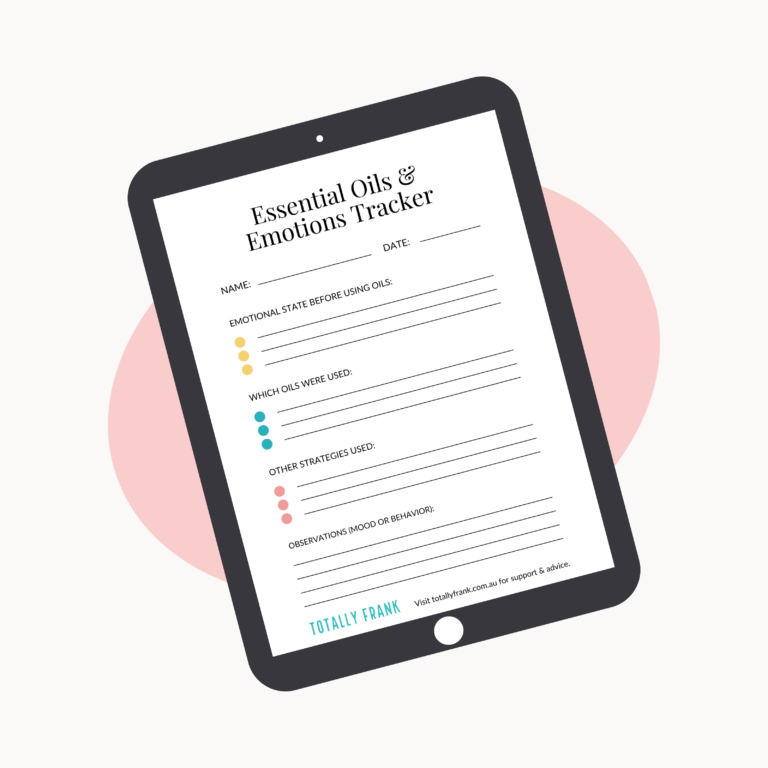
How to document learning without killing the joy
If you need a record (or your brain just wants evidence), keep it light:
Documentation should support confidence – not become the new demand.
Frequently Asked Questions
Are homeschooling projects enough academically?
They can be, especially when you notice what’s actually happening inside the project (problem-solving, measurement, reading instructions, planning, revising, explaining). If you want more structure, add one tiny “skill thread” inside the project – not a whole worksheet pack.
What if my child won’t write?
Let the project carry the learning. Use photos, voice-to-text, labels, drawings, screen recordings, or a one-sentence recap you write together.
What if they never finish projects?
Unfinished projects still teach. They show experimenting, persistence, decision-making, and capacity limits. Finishing is optional. Learning isn’t.
What are easy homeschooling science projects at home?
Start with kitchen chemistry, crystals, mini ecosystems, and snap-together circuits. Keep it visual and short.
What are simple homeschooling art projects that aren’t messy?
Digital art, collage with pre-cut materials, poster design, or watercolour “experiments” on a tray.
Do screen-based projects count?
Yes. Designing, coding, editing, building worlds, making tutorials, researching, documenting – that’s learning. Screens are a tool. The question is whether the activity supports your child’s capacity and wellbeing.
How do I find activities for homeschooling when capacity is low?
Use the Spark → Shape framework and choose micro-projects: one photo walk, one tiny build step, one experiment, one sketch, one map.
How do I track projects without turning it into school?
One photo + one line is plenty. If it creates pressure, drop it and come back later.