Blend with confidence using simple, beginner-friendly techniques
Learning to blend essential oils doesn’t need to feel overwhelming. With a few simple guidelines, you can create beautifully balanced blends that support calm, focus, sleep, and emotional regulation.
A simple, confident way to create blends that actually work
If you’ve ever felt unsure about how to blend essential oils so they actually work – not just smell good – this guide will give you the clarity and confidence to get started.
You’ve got a growing collection of essential oils and you’re ready to start blending – maybe for sleep, emotional support, energy, or just a calmer household. But when you mix a few together, the result doesn’t quite hit the mark. It might smell off, feel unbalanced, or simply not do what you hoped it would.
I know that feeling well. Even when you’re using beautiful, high-quality oils, it’s easy to end up with a blend that’s too strong, doesn’t smell right, or doesn’t actually help. And when you’re pouring your energy into supporting your child’s emotions, managing overwhelm, or finding a moment of peace in a chaotic day, you want something that truly supports your family – not just a nice scent.
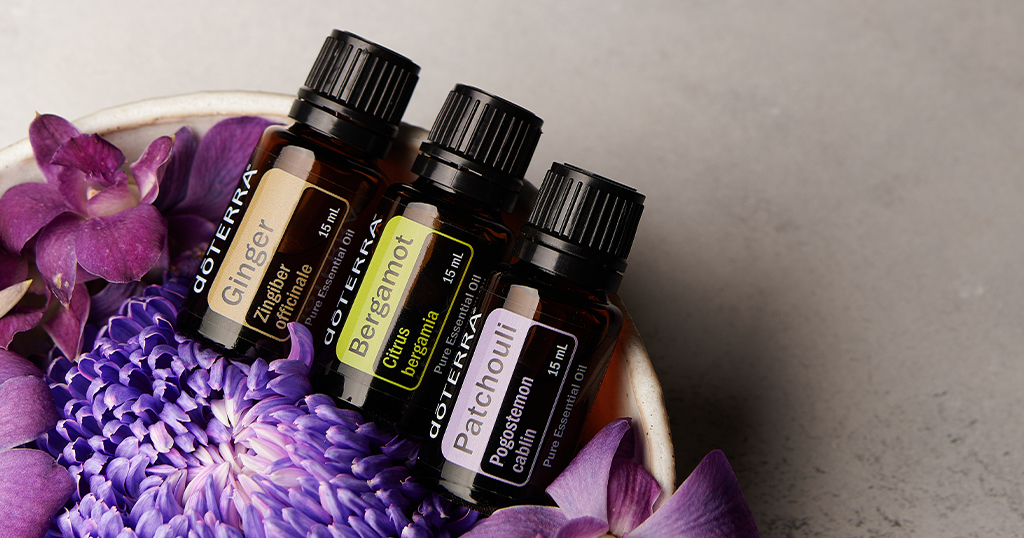
I’ve made all the same mistakes – calming rollers that didn’t calm anyone, diffuser blends that seemed to make things worse, and wasted drops of oil I couldn’t afford to throw away. It’s frustrating when your intention is there but the result misses the mark.
That’s why I started using the 30-50-20 rule – a simple method that helps you blend essential oils in a way that’s both beautifully balanced and genuinely effective. When your oils work together in both scent and purpose, the difference is noticeable. They feel right, and they work better.
In this guide, you’ll learn exactly how to use this method to create your own blends with confidence – whether you’re looking to calm big emotions, boost focus, support sleep, or lift your mood.
Let’s get started.
Why Blending Matters
Blending isn’t just about creating a nice smell. When you combine the right oils with intention, you’re creating synergy – a blend that’s more powerful than the sum of its parts.
A well-made blend can:
I’ve seen firsthand how a thoughtful blend can shift the mood in a room, help regulate energy levels, or provide a little emotional buffer when things feel intense.
The 30-50-20 Rule Explained
So how do you actually create a blend that works?
The 30-50-20 rule is my go-to framework. It’s not a strict rule – think of it as a helpful guide, especially when you’re getting started.
Here’s how it breaks down:
When you blend in these rough proportions, you’re layering oils in a way that appeals to both the limbic system (your emotional brain) and the body (through topical or aromatic benefits).
This makes your blend more effective, not just pleasant.
Top Notes (30%) – The First Impression
Top notes are your attention-grabbers. They create that immediate “ahhh” moment when you smell a blend.
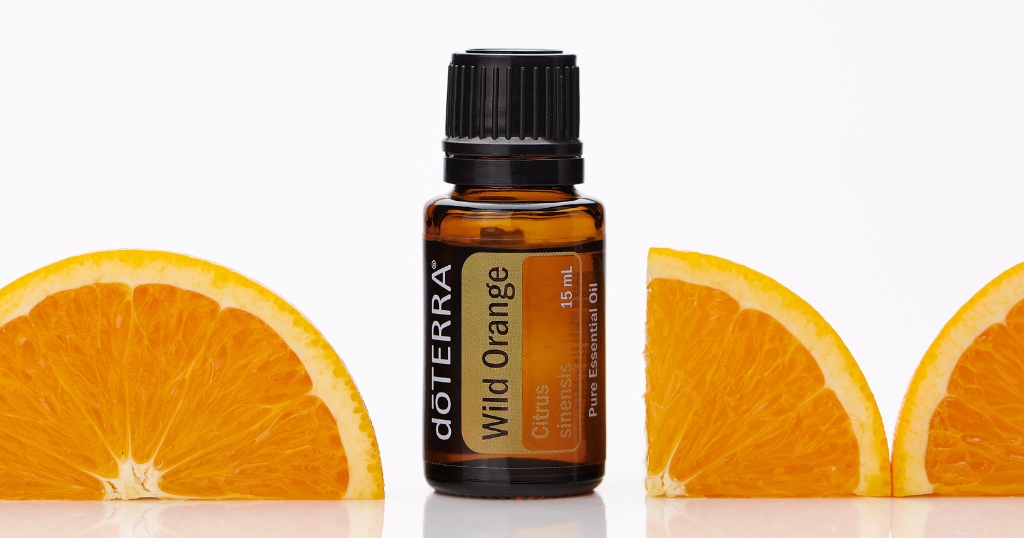
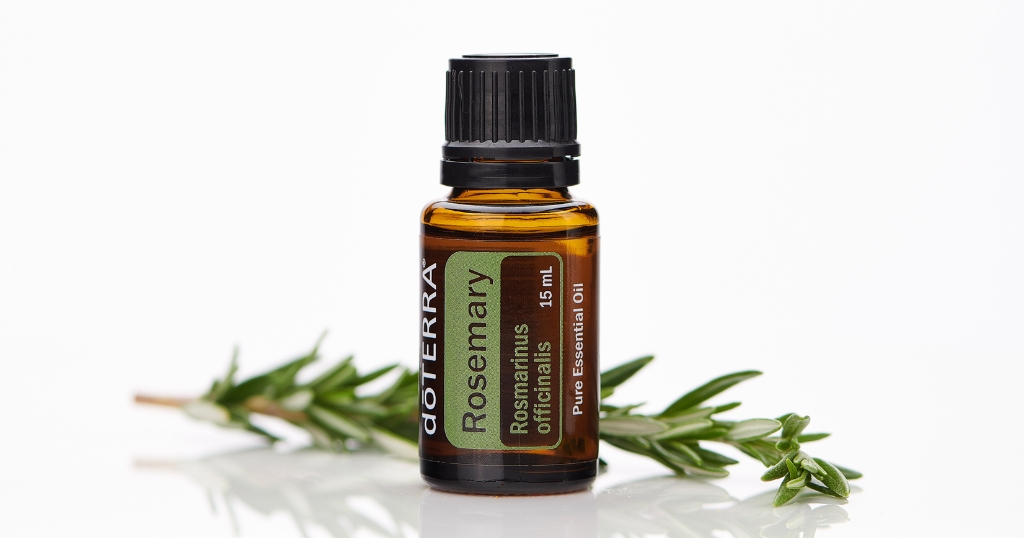
I reach for top notes in morning blends or when my boys need a little motivation to get moving. Citrus oils in particular are known for lifting mood and supporting emotional wellbeing.
Middle Notes (50%) – The Heart and Soul
Middle notes connect the brightness of your top notes with the grounding of your base notes. They’re often where the strongest emotional regulation benefits live.
Lavender and Chamomile are favourites at bedtime, while Clary Sage and Geranium feel incredibly grounding when emotions are unpredictable.
Base Notes (20%) – The Foundation
Base notes are deep, rich, and earthy. They give your blend stability and are often the most calming and regulating oils.
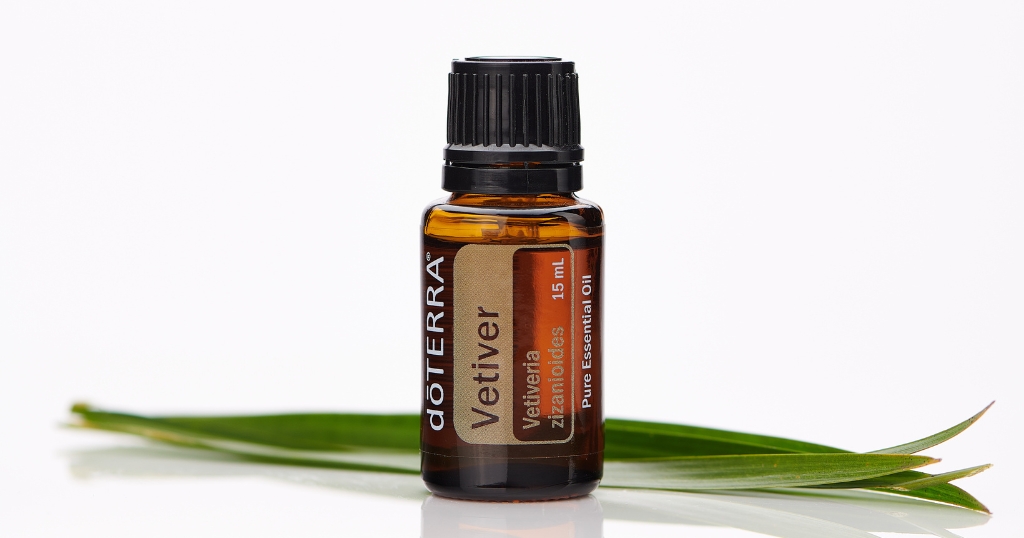
Vetiver is my go-to when things feel overwhelming or dysregulated. Just one drop in a roller or diffuser blend can shift the whole room.
Putting It All Together
Let’s say you want a bedtime blend. Here’s a simple way to apply the 30-50-20 rule:
Bedtime Roller Blend (10 mL)
TIP: You can convert this to a diffuser recipe by keeping the proportions the same (1-2 drops each).
Tips for Blending With Confidence
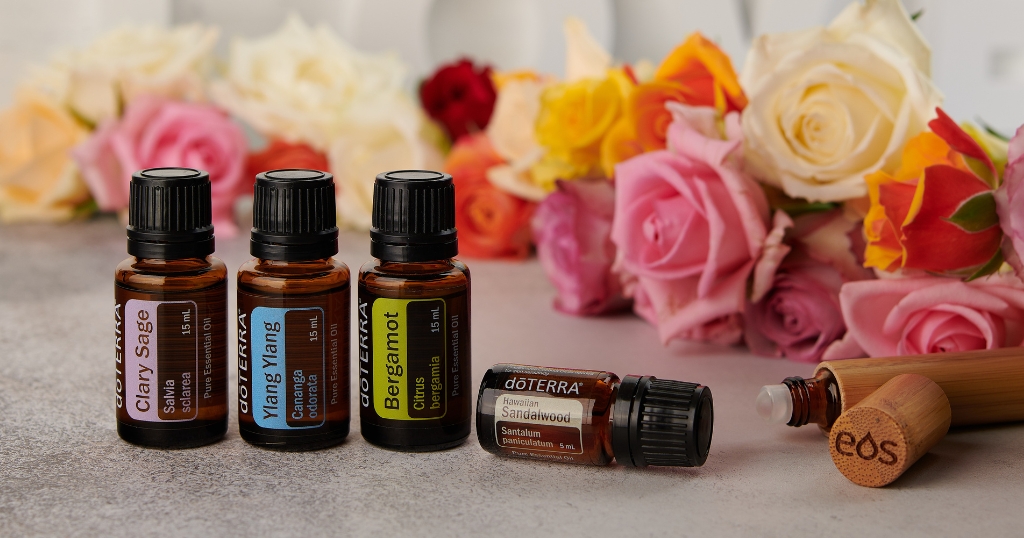
A few things I learned the hard way:
Want to Try a Few Recipes?
Once you get the hang of blending, it becomes second nature. It’s fun, creative, and deeply personal – and you’ll begin to notice what your family responds to most.
Try these next:
Final Thoughts
Blending essential oils doesn’t need to be complicated – but it does benefit from a little structure. The 30-50-20 rule gives you the foundation to experiment confidently, knowing your blends will smell beautiful and support your family’s emotional needs.
And if you ever want help creating your own blend, you’re always welcome inside my free Facebook group, Kids & Big Emotions, where we share practical tools, emotional support, and real lived experience.