The Simple Rule That Makes Blending Easy
The 30-50-20 Rule is your simple roadmap for creating essential oil blends that smell beautiful and actually work. This guide breaks the method down step-by-step so you can blend with confidence, whether you’re making rollers, diffuser blends, or calming supports for big emotions.
Master balanced, beautiful essential oil blends with confidence.
Creating your own essential oil blends can feel overwhelming at first – too many oils, too many opinions, and no clear starting point. That’s why the 30-50-20 Rule exists. It gives you a simple structure that helps your blends smell balanced, feel supportive, and actually work for emotional regulation, sleep, and focus.
If you’ve ever mixed oils together and thought, “Hmm… that’s not quite right,” this guide will help you fix that quickly.
What Is the 30-50-20 Rule?
It’s a simple framework for building any essential oil blend:
Using these proportions helps your blend feel layered, balanced, and therapeutic. You get the brightness at the start, the emotional support in the middle, and the grounding finish that helps the scent last.
Think of it like building a LEGO model – each layer plays a role, and when they come together, they create something strong and beautiful.
Top Notes (30%)
Light + uplifting + quick to evaporate
Top notes are the first scents you notice. They brighten the blend and create that immediate “ahhh” feeling.
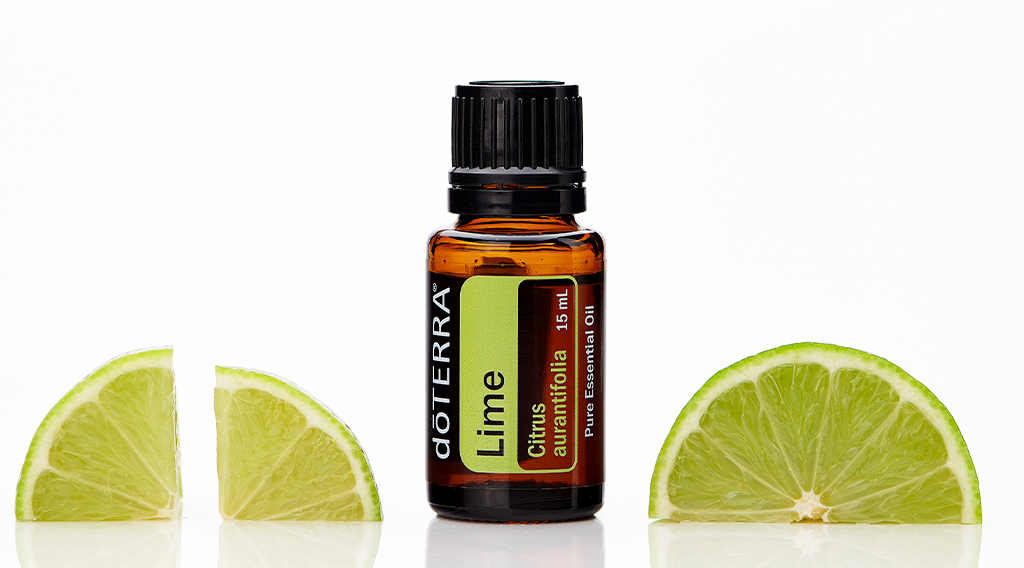
Common top notes:
Top notes are brilliant in blends that support:
Tip: Add top notes last when you’re experimenting – they’re the easiest to overdo.
Middle Notes (50%)
The heart + emotional anchor of your blend
Middle notes hold everything together. They soften the sharpness of the top notes and connect them to the grounding of the base notes.
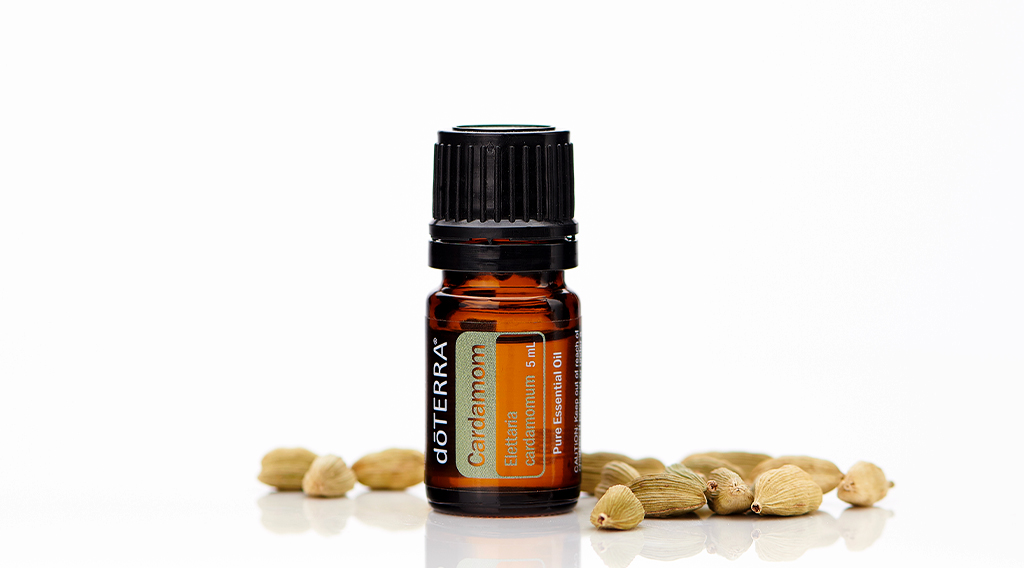
Common middle notes:
Middle notes are perfect for blends that support:
This is where I spend most of my time when creating blends for my boys – especially Cypress and Juniper Berry for emotional recovery after big days.
Base Notes (20%)
Deep + grounding + long-lasting
Base notes are the foundation. They settle the blend, slow evaporation, and give the scent staying power.
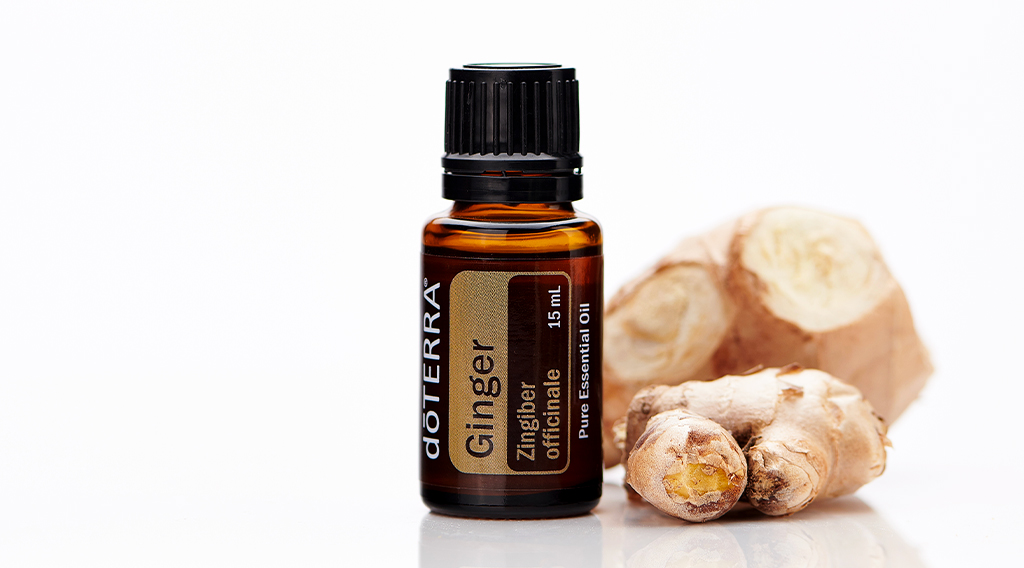
Common base notes:
Base notes support:
If your blend feels “too light” or disappears quickly, it’s usually missing a strong base note.
How to Use the 30-50-20 Rule in Real Life
Let’s say you want to create a blend for calming big emotions before bed.
Try this example:
Bedtime Blend (using the 30-50-20 Rule)
For a roller:
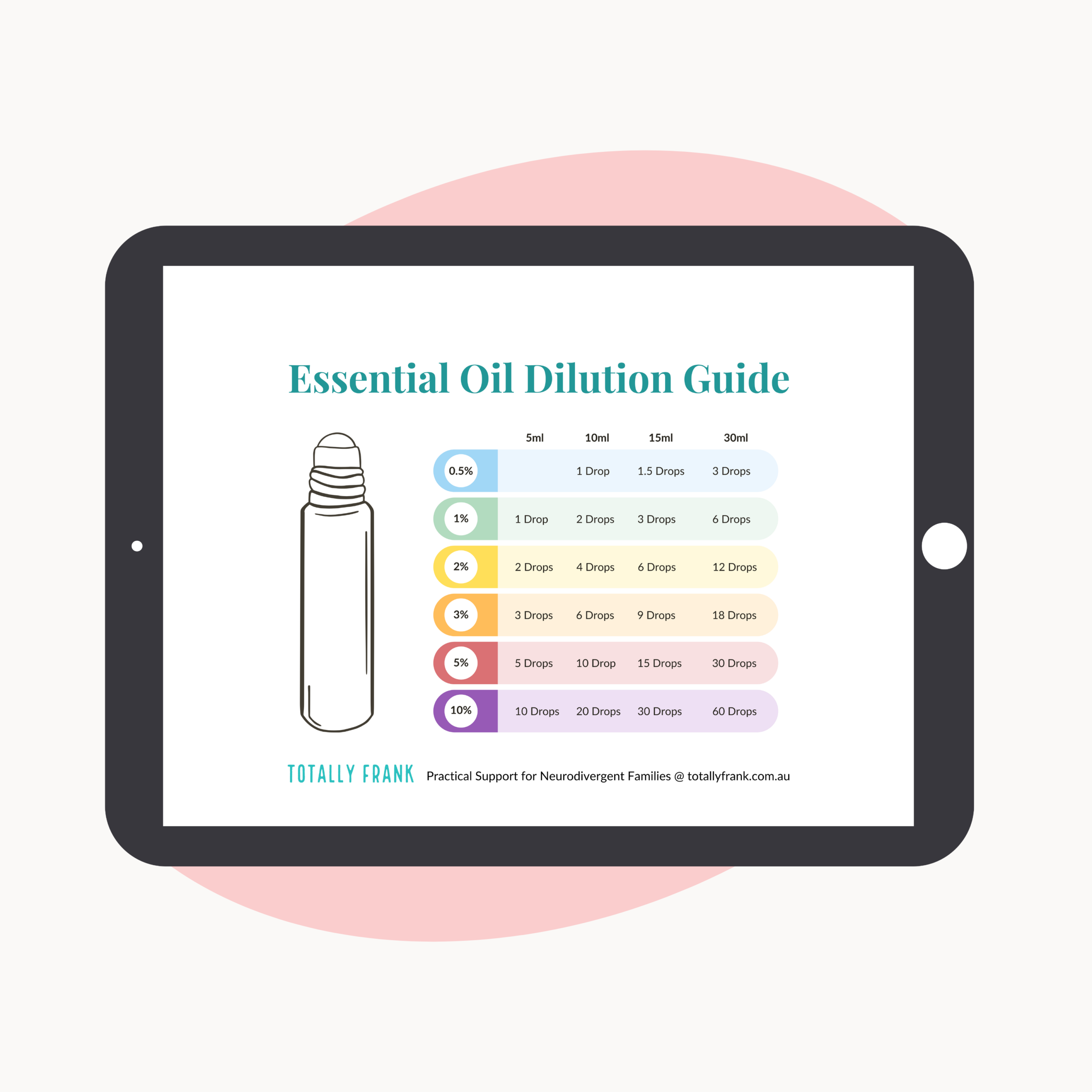
Add to a 10 mL bottle + top with Fractionated Coconut Oil.
Learn more: Carrier Oils for Beginners
For a diffuser:
Use 1-2 drops of each oil (keeping the proportions similar).
Discover more: Diffuser Blends
Practical Blending Tips (Beginner Friendly)
These will save you so much frustration:
Why The 30-50-20 Rule Works So Well
The 30-50-20 Rule helps you create blends that are:
And most importantly, blends that actually help the emotional and sensory needs in your home.
When you combine oils intentionally – instead of guessing – you create synergy. That’s when your blends start supporting calm, focus, transitions, and sleep more effectively.
Want to Go Deeper?
Here are your next steps inside the DIY Blending Guides: