Essential Oils Made Simple
Essential oils offer simple tools for emotional support, sleep, and focus. This guide explains the basics, safety, and easy ways to start using oils in everyday routines.
Essential oils are highly concentrated plant extracts that can support emotional regulation, sleep, focus, and daily routines. You don’t need to know everything to get started – just the basics. This Essential Oils 101 guide gives you a clear, practical foundation so you can use oils safely and confidently at home.
If you’re brand new, this is the perfect place to begin.
What Are Essential Oils?
Essential oils are aromatic compounds found in the leaves, flowers, roots, bark, and peels of plants. When we extract these compounds, we get a powerful, concentrated oil that carries the plant’s smell and therapeutic properties.
Many families (ours included) use essential oils to support:
Essential oils won’t “fix” everything – but they can become a gentle, predictable tool in your family’s emotional toolkit.
A Short History of Essential Oils
A simple timeline of how essential oils were used – from ancient rituals to modern aromatherapy.

Essential oils have been part of human life for thousands of years. Across cultures and civilisations, people used plant extracts for healing, ritual, emotional support, spirituality, and daily life. Understanding this history helps us appreciate why essential oils continue to play such a powerful role in wellbeing today.
Prehistoric & Early Use (~3,000 BCE – 1,500 BCE)
Archaeologists have found Frankincense, Myrrh, Pine, and Cedar resins in ancient burial sites – used for honouring the dead, preserving food, treating wounds, and supporting health.
These early practices became the foundation of plant-based medicine.
Ancient Egypt (~3,000 BCE – 300 BCE)
Egyptians were among the first to formalise essential oil use.
They used oils for:
Frankincense, Myrrh, and Cedarwood were especially prized. Oils were often placed in tombs as offerings – considered essential for safe passage into the afterlife. Their extensive knowledge shaped how oils were used across the ancient world.
Ancient China & India (~2,500 BCE – 500 CE)
Two major traditional medicine systems emerged, both deeply connected to plant extracts.
In China, early medical texts describe the use of Cinnamon, Ginger, and other aromatics to support digestion, respiratory health, and emotional balance.
In India, Ayurveda used oils like Sandalwood and Clove to calm the mind, support healing, and enhance spiritual practice.
Both traditions continued unbroken for thousands of years – influencing modern integrative medicine today.
Classical Era: Greece & Rome (~500 BCE – 500 CE)
The Greeks and Romans adopted plant-based remedies from Egypt and the East.
They used essential oils for:
Hippocrates – often called the father of medicine – documented the use of Lavender, Oregano, and Rosemary for healing and wellbeing.
Middle Ages & the Islamic Golden Age (~500 CE – 1,500 CE)
In medieval Europe, herbalists and apothecaries continued to use oils such as Lavender, Thyme, and Rosemary for health and hygiene. Knowledge was more fragmented, but oils remained part of daily life and religious rituals.
During the Islamic Golden Age, scientific advances changed everything. Scholars like Avicenna refined distillation, perfecting methods used to extract oils like Rose. These advances revolutionised essential oil production and influenced both Asian and European practices for centuries.
Renaissance & Early Modern Era (1,500 CE – 1800s)
The Renaissance brought renewed interest in science, botany, and natural medicine. Botanical gardens appeared across Europe, and essential oils became central in both medicinal and cosmetic use.
Lavender, Rose, and Rosemary were favourites for:
Improved distillation made oils more accessible, leading to widespread adoption across Europe.
Modern Aromatherapy (1900s – Today)
Essential oils re-entered mainstream wellness in the early 20th century. Researchers like Dr Jean Valnet and Marguerite Maury expanded the field, blending traditional plant wisdom with emerging science.
Today, essential oils are widely used for:
They’ve become a trusted tool for many families – including neurodivergent families – seeking gentle, predictable support in daily routines.
How to Use Essential Oils
If you’re brand new to essential oils, this section is the heart of Essential Oils 101 – simple methods, clear safety guidance, and no overwhelm.
There are three main ways to use essential oils: aromatically, topically, and internally. You don’t need to use all three – just choose the methods that feel simple and safe for your family.
1. Aromatic Use (Breathing Them In)
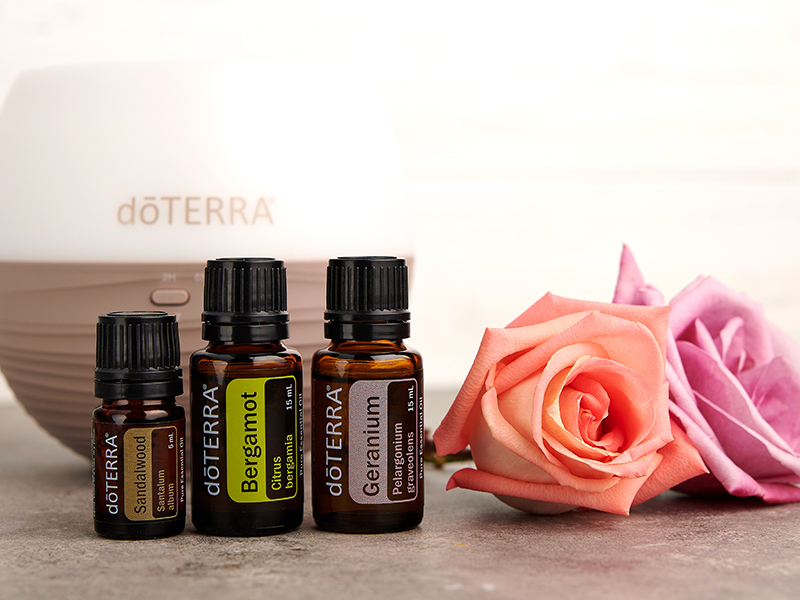
This is the easiest place to start. Aromatic use includes:
Aromatic use is especially powerful for emotional support because of how closely scent and the nervous system are connected.
2. Topical Use (On the Skin)
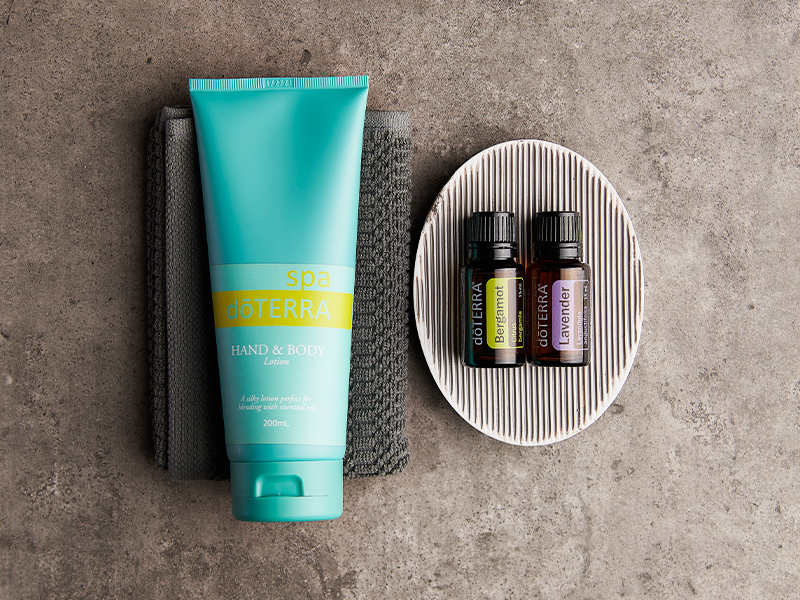
Topical use is simple and effective, especially when you want targeted support – for example:
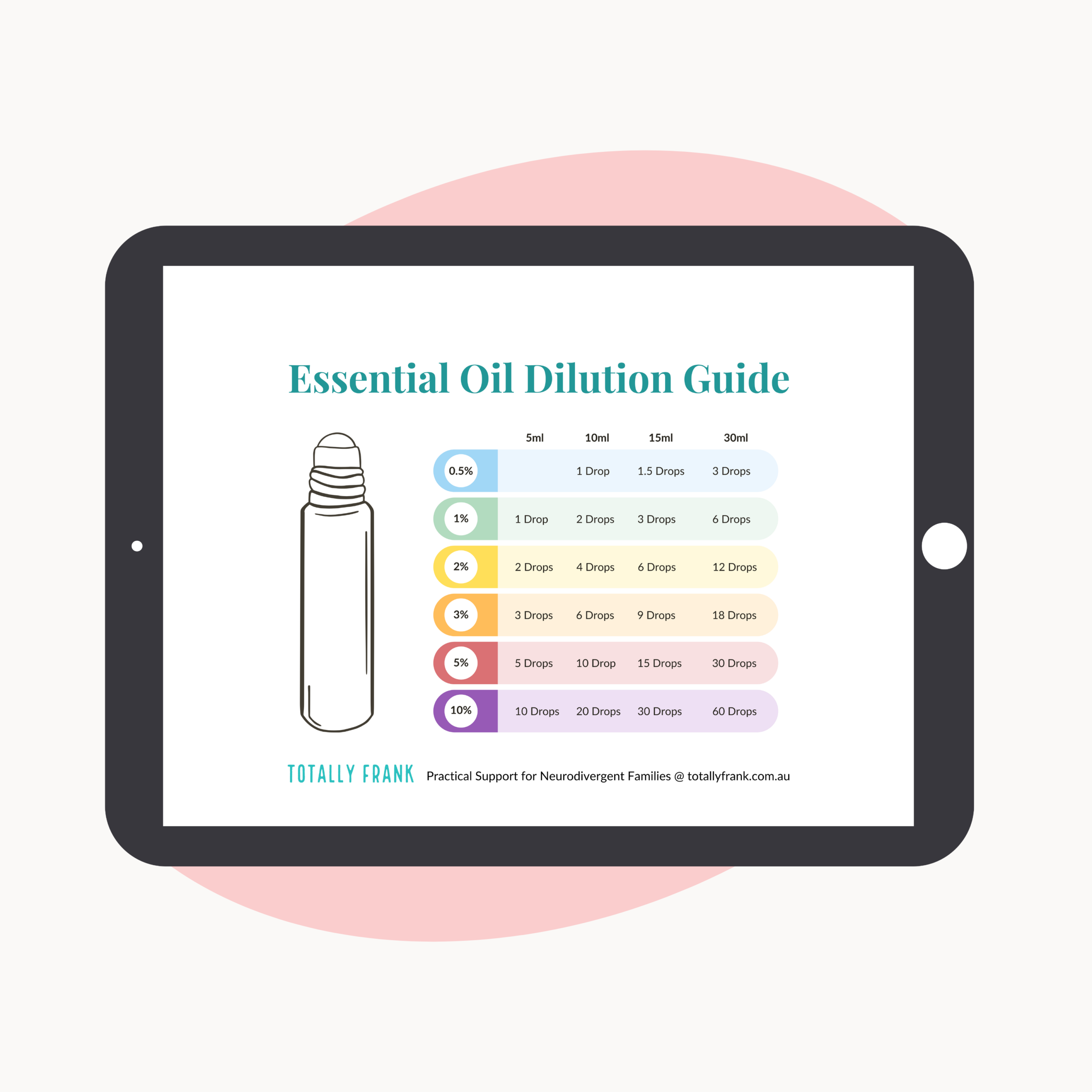
Always dilute with a carrier oil (like Fractionated Coconut Oil), especially for kids or sensitive skin.
Start with less, go slow, and watch your child’s skin response.
3. Internal Use (With Care & Correct Oils Only)
Internal use can feel confusing, and you’ll find mixed opinions about it.
Here’s the simplest rule:
For many families, aromatic and topical use is more than enough. Internal use is optional and not required for emotional support.
Top Benefits of Essential Oils
1. Emotional Regulation
Oils like Lavender, Bergamot, Ylang Ylang, and Frankincense can create a grounding, calming environment – especially helpful for autistic, ADHD, and PDA kids.
2. Better Sleep
Lavender, Cedarwood, Roman Chamomile, and Bergamot promote relaxation and support bedtime routines.
3. Focus & Mental Clarity
Peppermint, Rosemary, Lemon, and Supermint (my fave!) can support attention and mental energy.
4. Immune & Airway Support
Tea Tree, Eucalyptus, and On Guard can help support immune wellness and freshen the air.
5. Everyday Wellbeing
Oils can be used in gentle routines for tension, head support, hormones, digestive comfort, and more.
Safety First
Essential oils are powerful, and every oil behaves differently. They’re safe when used with care, dilution, and the right guidance – especially with children.
Key guidelines:
Read our Essential Oil Safety Guide
Want to Try the Oils First?
Curious but not ready to buy anything yet? You can try essential oils completely free.
I offer complimentary essential oil samples to help you get started – and to make sure you feel confident before choosing anything.