What Essential Oils Are Made Of
Essential oils might feel mysterious at first, but they’re simply concentrated plant extracts with powerful aromatic compounds. Discover what essential oils are, how they work, and why many families use them for emotional support, sleep, focus, and calmer routines.
Essential oils can feel mysterious when you’re first starting out – tiny bottles, big claims, lots of opinions. But at their core, they’re simply highly concentrated plant extracts that carry the aroma, chemistry, and therapeutic compounds of the plant they come from.
This guide explains what essential oils are, how they’re made, why families use them, and what the research tells us – without overwhelm, jargon, or pressure.
If you’ve ever wondered “What actually is an essential oil, and how does it help?” – you’re in the right place.
What Are Essential Oils? (The Simple Version)
Essential oils are aromatic compounds found in plants – in their leaves, flowers, roots, bark, and rinds. When these compounds are extracted, they become a highly concentrated oil that carries the plant’s scent, therapeutic properties, and natural chemistry.
Every oil contains its own unique blend of molecules (terpenes, esters, phenols), which influence how the oil smells and what it supports – whether that’s emotional calm, focus, sleep, or general wellbeing.
Think of it like this:
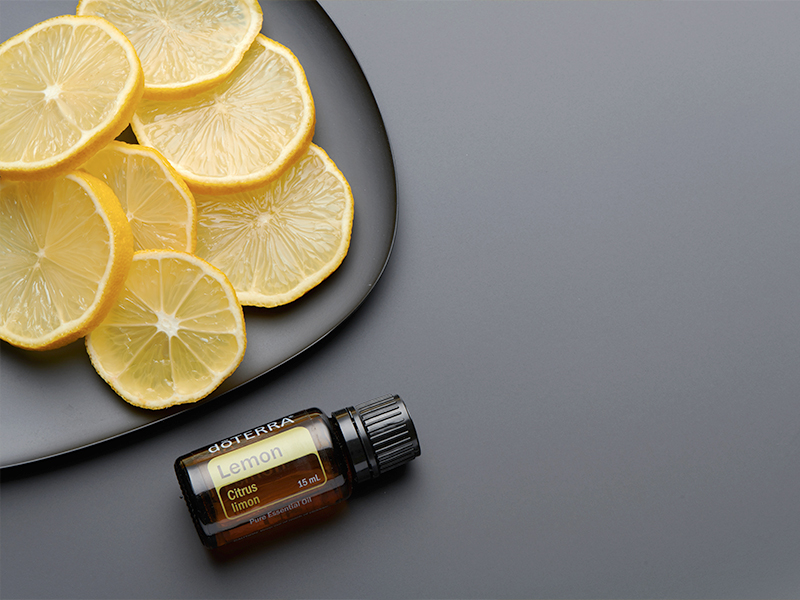
A whole lemon has one smell. Lemon essential oil is that smell – multiplied by hundreds.
That’s why one drop goes a long way.
How Essential Oils Are Made
Most essential oils are extracted using one of two main methods:
1. Steam Distillation
Used for: Lavender, Peppermint, Eucalyptus, Rosemary, Tea Tree
A gentle process where steam passes through the plant material, lifting the aromatic compounds. Once cooled, the oil separates naturally from the water.
2. Cold Pressing
Used for: Citrus oils (Lemon, Wild Orange, Grapefruit, Bergamot)
The rind is mechanically pressed to release the aromatic oil sacs.
Some oils use more specialised methods (like resin tapping for Frankincense), but steam distillation and cold pressing create the majority of essential oils used today.
What Makes Essential Oils Helpful?
Plants create aromatic compounds as part of their natural survival system – to repel pests, attract pollinators, protect themselves, and repair damage.
When we extract these compounds, we access the same natural chemistry, which research shows can support:
1. Emotional Regulation & Calm
Studies show essential oils like Lavender, Bergamot, Ylang Ylang, and Chamomile interact with the limbic system – the emotional centre of the brain – helping reduce stress and support mood.
2. Sleep Quality
Research shows essential oils can support deeper, more restorative sleep:
3. Focus, Cognitive Support & Attention
A growing body of research supports essential oils for mental clarity:
4. Natural Antimicrobial Properties
Essential oils have been widely studied for antimicrobial effects:
These properties don’t replace medicine – but they do help families use oils confidently in cleaning, air-freshening, and home routines.
Why Families Use Essential Oils
For many neurodivergent families, essential oils become one part of a broader emotional regulation toolkit.
Parents often use them for:
Essential oils don’t fix emotions – but they can offer predictable, gentle support when used with care.
Are Essential Oils Safe?
(Short answer: yes – when used correctly.)
Essential oils are powerful and concentrated. Children, autistic individuals, and those with sensitive skin benefit from simple, safe practices:
For deeper guidance, see:
Quick Summary: What Are Essential Oils Used For?
Essential oils can support:
You don’t need to use them all – just the ones that help your family.
Want to Try Oils Before Buying?
Curious, but not ready to dive in?
I offer complimentary essential oil samples so you can get a feel for what works – especially for emotions, sleep, and focus.