Designing Your Neurodivergent Homeschool Curriculum
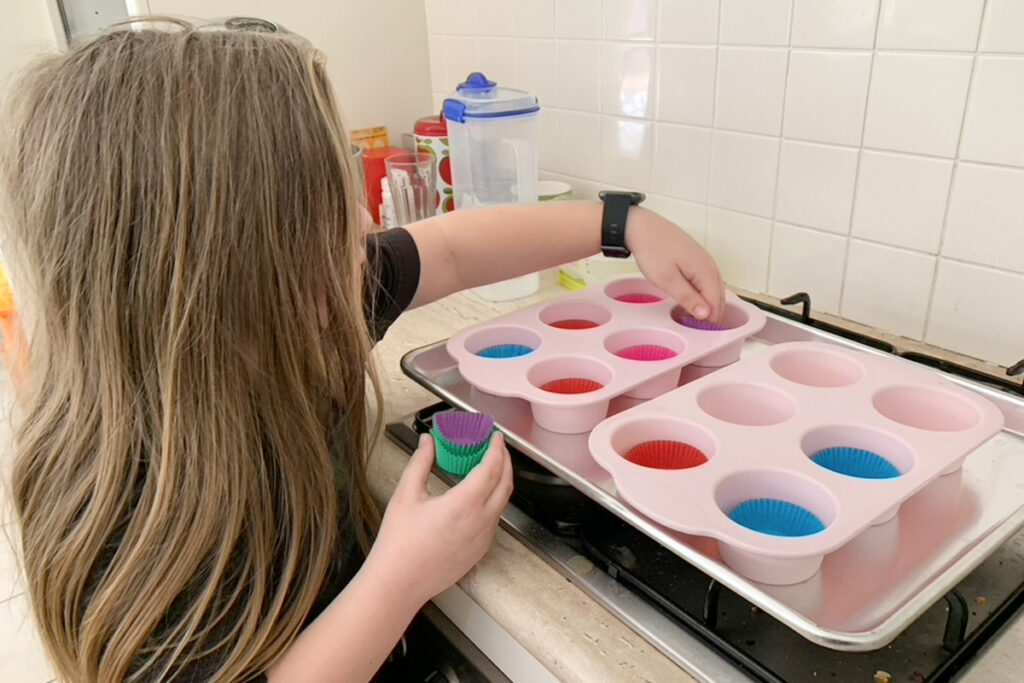
Build a homeschool curriculum that works with your neurodivergent child – not against them – using flexible routines, interest-led learning, and ND-friendly strategies.
If you’re searching for a homeschool curriculum that works for your neurodivergent child, you’ve probably already discovered the problem – most of what’s out there wasn’t designed for autistic, ADHD, or PDA kids. Boxed programs look good on paper, but in real life? They often lead to shutdowns, battles, overwhelm, and a sinking feeling that you’re “doing it wrong.”
The truth is, you don’t need to force your child into a one-size-fits-all plan. You can create a flexible, interest-led, emotionally supportive homeschool curriculum that actually works with your child’s brain – one that adapts to their energy, honours their nervous system, and leaves room for regulation and joy.
We’ve tried it all in our home – boxed curriculum, distance education, online learning, DIY plans, unit studies, and years of trial and error. Through every meltdown, pivot, and breakthrough, I’ve learned what truly works for neurodivergent learners, and what simply doesn’t.
When you personalise your homeschool approach, everything softens. Power struggles reduce. Your child feels safer. You feel more confident. And learning starts flowing again – even when it looks nothing like school.
In this guide, we’ll walk through the essentials of designing a homeschool curriculum that fits your child: choosing curriculum (or not choosing it), building learning around interests, creating flexible routines, supporting different learning styles, and knowing what actually counts as learning.
Why Standard Homeschool Curriculums Often Fail ND Kids
Most homeschool curriculum companies don’t design with neurodivergent kids in mind. Many autistic, ADHD, or PDA learners struggle with:
We felt this deeply in our home. Beautiful boxed programs sat untouched. Online schedules collapsed within days. What worked on a “good day” fell apart the moment stress, sleep, or overwhelm appeared.
If you’re nodding along, nothing is wrong with you – or your child. The system wasn’t built for them.
How to Choose (or Adapt) a Homeschool Curriculum That Fits
There are homeschool curriculums that work beautifully for neurodivergent families – but you need to know what to look for and what to avoid.
What to Look For
What to Avoid
Interest-Led Learning and Personalisation
Interest-led learning is not “letting kids do whatever they want.” It’s choosing the learning path that gets the most engagement, regulation, and success.
For neurodivergent kids, interests aren’t hobbies – they’re the doorway to emotional safety, motivation, and deeper thinking. Learning sticks when it starts from a place of connection.
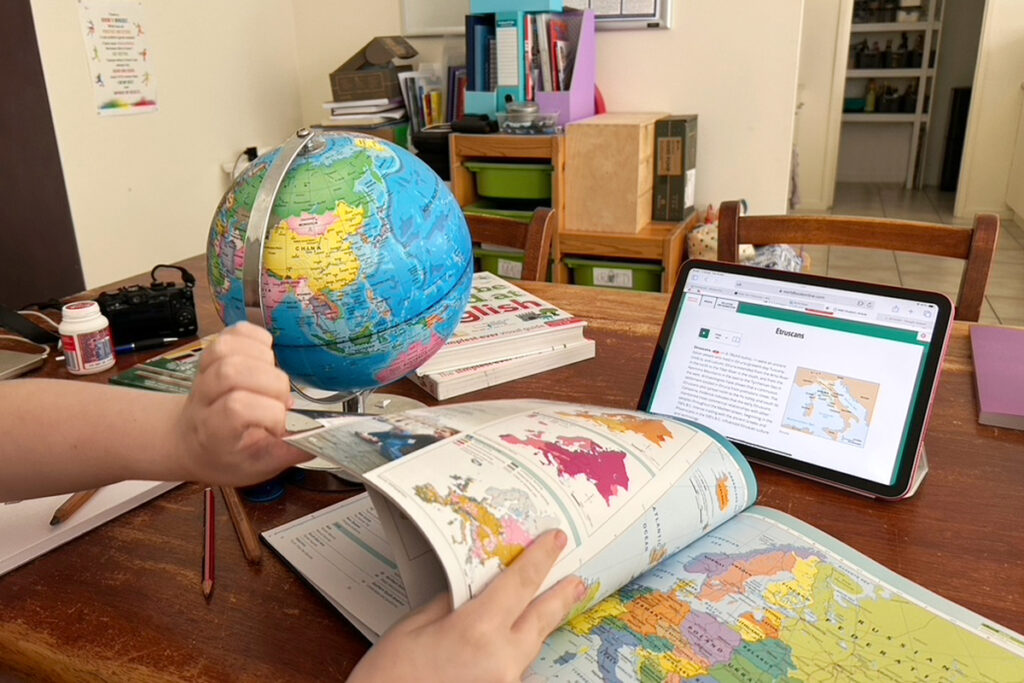
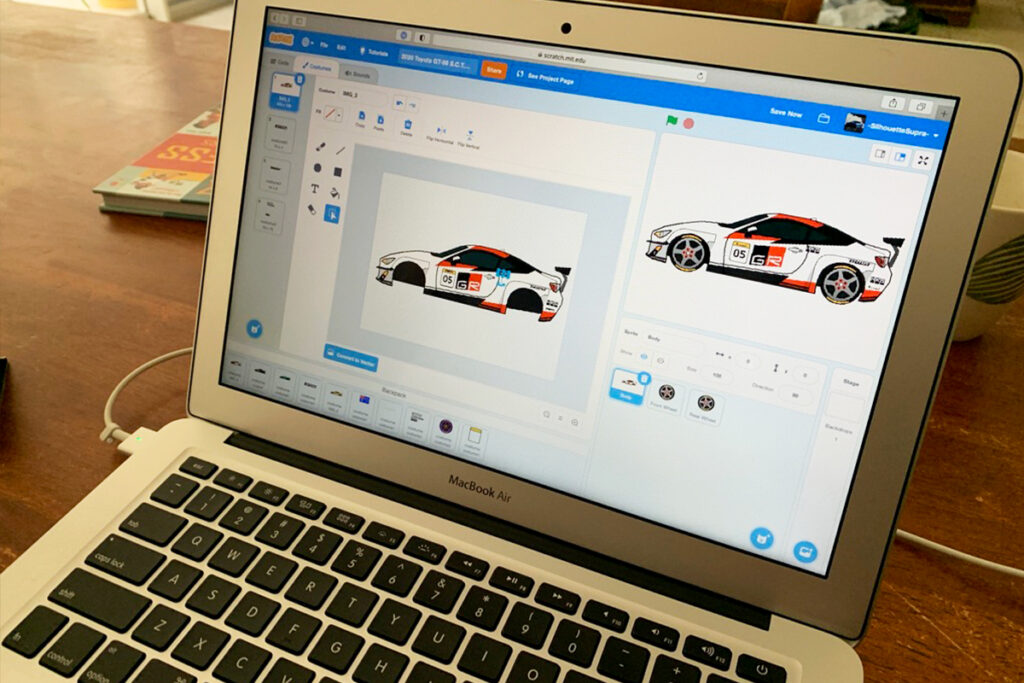
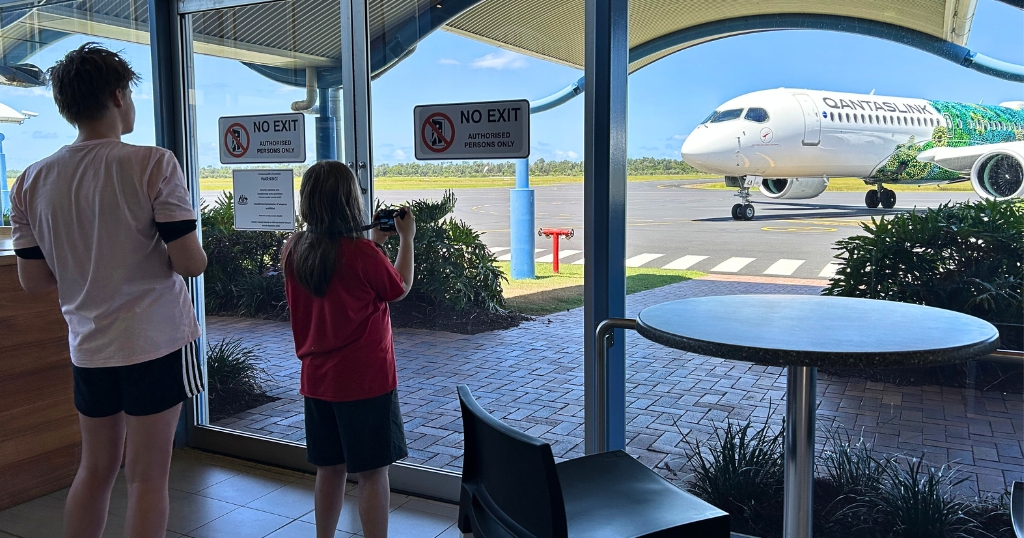
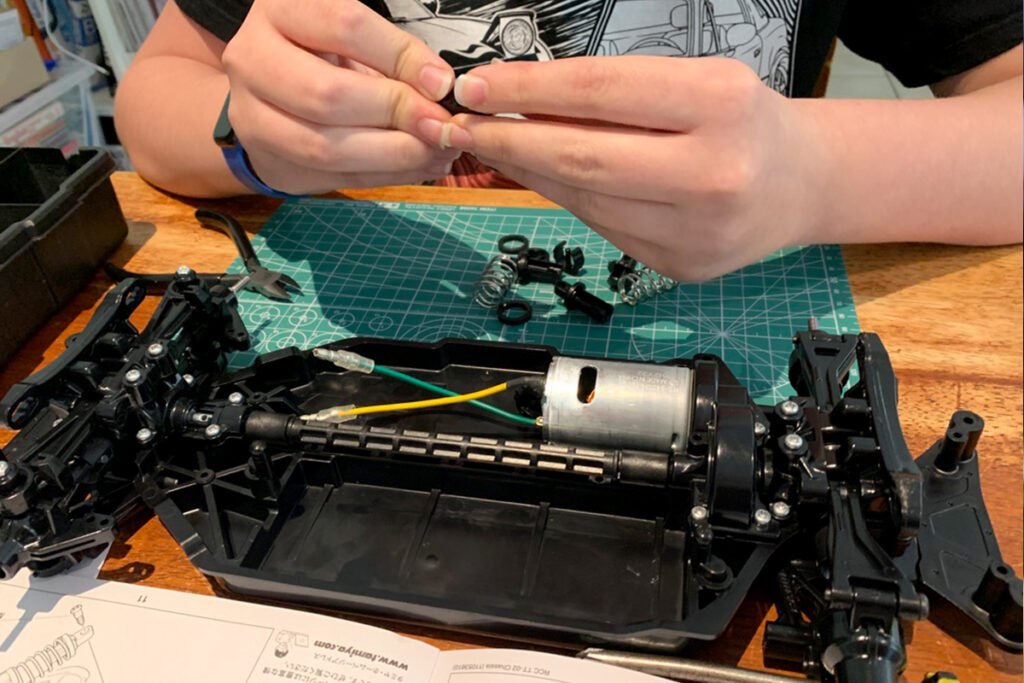
In our home, unit studies transformed everything. My boys’ interests became the foundation – aviation, cars, LEGO engineering, photography, history, graphic design, robotics. When learning followed their spark, they were calmer, more curious, and far more confident.

Education Options for Autism Families: What Are Your Rights?
In Australia, you have multiple pathways:
Most neurodivergent families mix and match their homeschool curriculum depending on capacity, regulation, and season.
You are legally allowed to homeschool your neurodivergent child.
Your child does not have to replicate school at home.
You can personalise everything.
Creating a Homeschool Schedule That Actually Works
Most homeschool schedules fail neurodivergent kids because they ignore:
Flexible routines work better than strict schedules
Try:
And just a gentle reminder: if you’ve met one neurodivergent child, you’ve met exactly one. Every autistic, ADHD, or demand-avoidant kid has their own rhythms, needs, and nervous system patterns. What works beautifully for one child may fall flat for another – and that’s not a failure. It’s simply information you can use to personalise the plan.
Supporting Different Learning Styles at Home
It’s easy to fall into the trap of trying to figure out whether your child is a visual learner, an auditory learner, or a hands-on learner. Many parents worry they need to pick the “right” style to get learning to stick – especially when traditional school has made their child feel like they’re “failing” a method they were never built for.
Here’s the truth: you don’t need to choose one learning style at all.
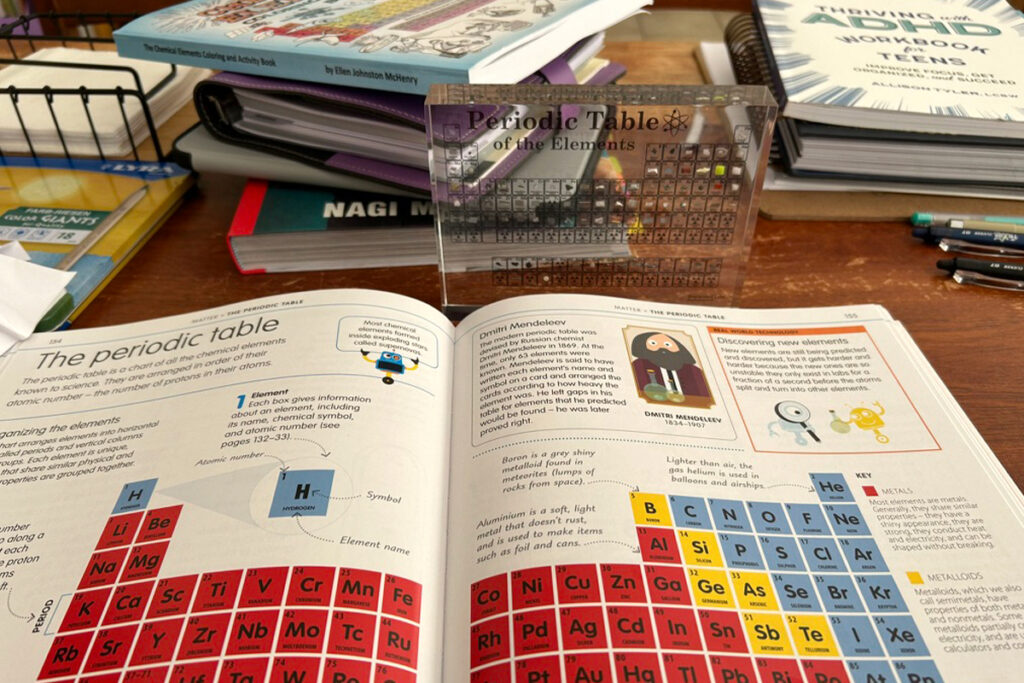
A 2023 study on neurodiverse learning found that autistic, ADHD, and other neurodivergent students don’t identify with one fixed style. Instead, they learn best when several approaches are used together – visual supports, hands-on activities, spoken explanation, and real-world application layered into one experience.
This is great news for us at home:
This means your role isn’t to pick a single “type” of learning. It’s to layer tools in a way that supports regulation, curiosity, and success.
Planning for Different Ages Without Pressure
Ages 5–10
Short bursts, sensory play, regulation first, hands-on everything.
Tweens & Teens
Co-planning, executive function supports, project-based learning, reverse planning, interest-led subjects.
Curriculum-Free Learning: What Really Counts
Neurodivergent homeschooling often looks “invisible” from the outside – but the learning is rich.
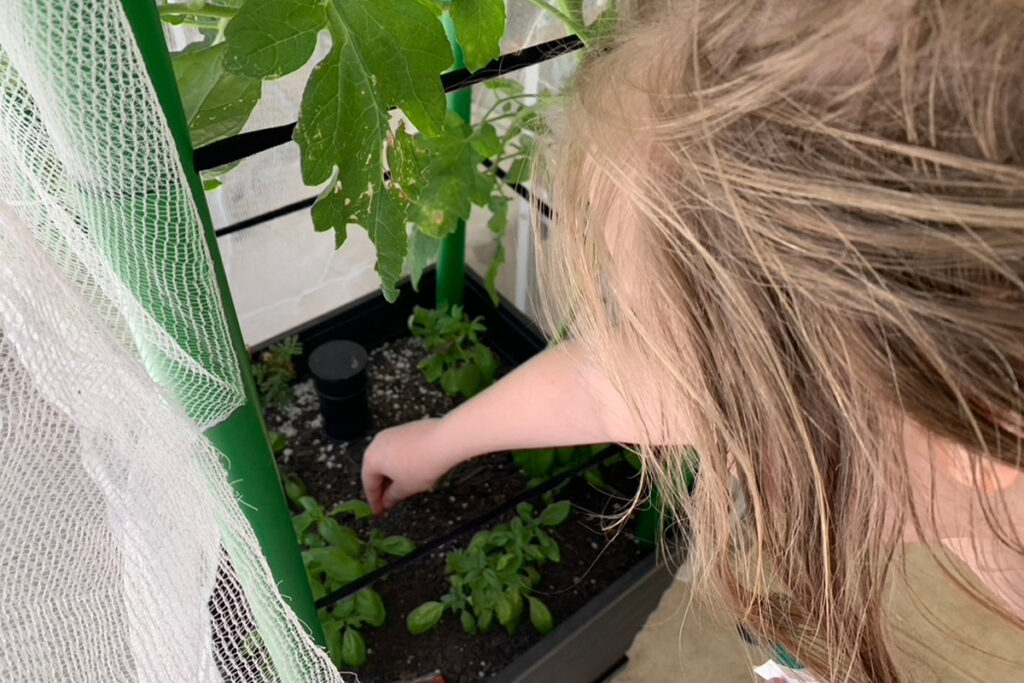
Examples from our home:
If your child is living, exploring, problem-solving, asking questions, building, playing, experimenting – they are learning.
Ready to Build a Homeschool Curriculum That Fits Your Child?
Homeschooling doesn’t have to feel rigid or overwhelming. When you personalise learning to match your child’s interests, energy, and neurotype, everything becomes calmer, clearer, and more sustainable.
Ready to Learn More?
Ready to Take the First Gentle Step?
Homeschooling doesn’t have to feel overwhelming. The first stage is about clarity and reassurance – knowing you’re not alone and that there is a way forward that works for your child.
That’s exactly why I created Deschooling Essentials: A Free Mini Guide for Parents – to help you take those first steps with confidence.
👉 Grab the free mini guide!