Follow Their Curiosity, Make It Hands-On
Hands on Homeschool Projects are a brilliant way to turn passions into learning – especially for neurodivergent kids who thrive when things are practical, flexible, and fun.
If you’re homeschooling a neurodivergent child, you’ve probably already learnt this: worksheets and sit-down lessons only get you so far. Most autistic, ADHD, and demand-avoidant kids learn best when they can touch, build, explore, and make meaning through movement and curiosity. That’s where hands-on homeschool projects become powerful.
These projects aren’t just busywork. They support regulation, spark interest-led learning, and help kids build real-world skills in a way that feels natural – not forced. And the best part? You can tailor every project to your child’s pace, sensory profile, and strengths.
This guide brings together our family’s favourite project ideas – creative, practical, messy, tech-based, engineering-based, and everything in between – to help you design learning that actually works for neurodivergent kids.
Why Hands-On Homeschool Projects Work So Well for ND Kids
Hands-on projects naturally suit the way many neurodivergent kids learn. They:
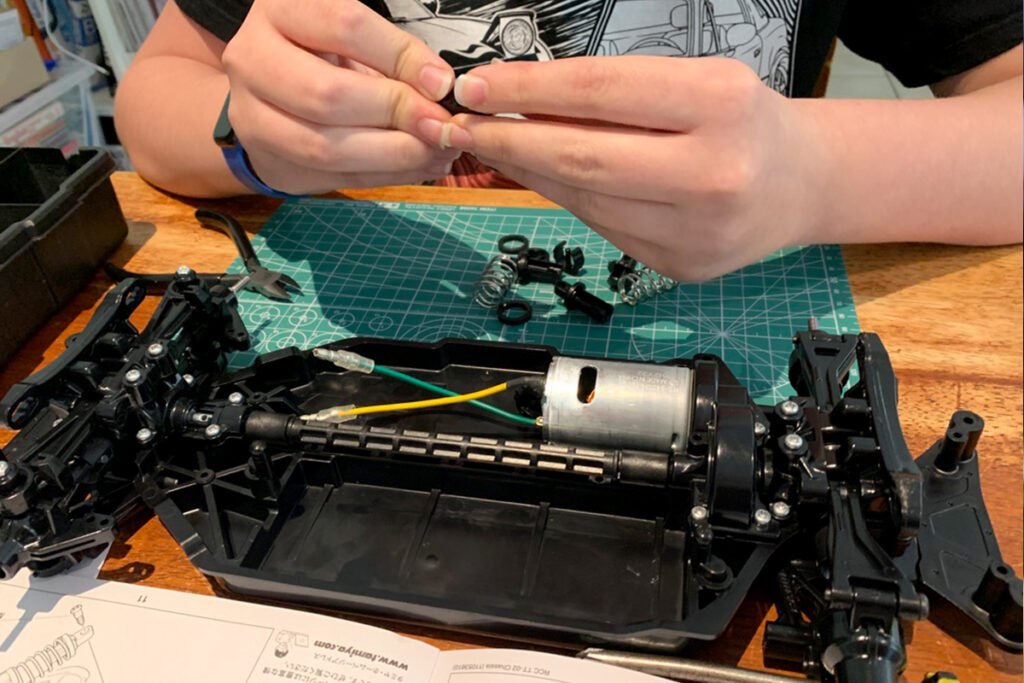
In our home, hands-on homeschool projects have been the bridge between what my boys care about and the curriculum boxes we’re meant to tick. Whether it was designing LEGO cars, building robots, coding games, photographing planes, or adding up sushi train plates, the best learning has always happened through doing.
Science & Engineering Projects
Hands-on science is one of the easiest ways to spark curiosity. Keep it simple, sensory, and visual.
Kiwi Crates, Robots & Simple Machines
Over the years, the boys have built everything from marble rollercoasters to ukuleles and walking robots. Kits like Kiwi Crates are brilliant because they combine instructions, visuals, and hands-on components – perfect for ADHD and autistic learners.
Other ideas:
LEGO Engineering
My younger son often uses Bricklink Studio to design digital LEGO cars, create instruction manuals, and then build them in real bricks. It combines engineering, problem-solving, spatial awareness, and creativity in the most low-pressure way.
Creative & Artistic Homeschool Projects
Creative Writing (But Make It Visual)
For kids who don’t love writing, try:
Game & App Design
My older son designed a popular rally cross racing game on Roblox – handling everything from the logo and interface to the coding. Game design blends creativity, logic, sequencing, art, maths, and storytelling.
DIY Art Homeschool Projects
Offer choices, reduce pressure, and let them move between mediums as needed.
History & Social Studies Homeschool Projects
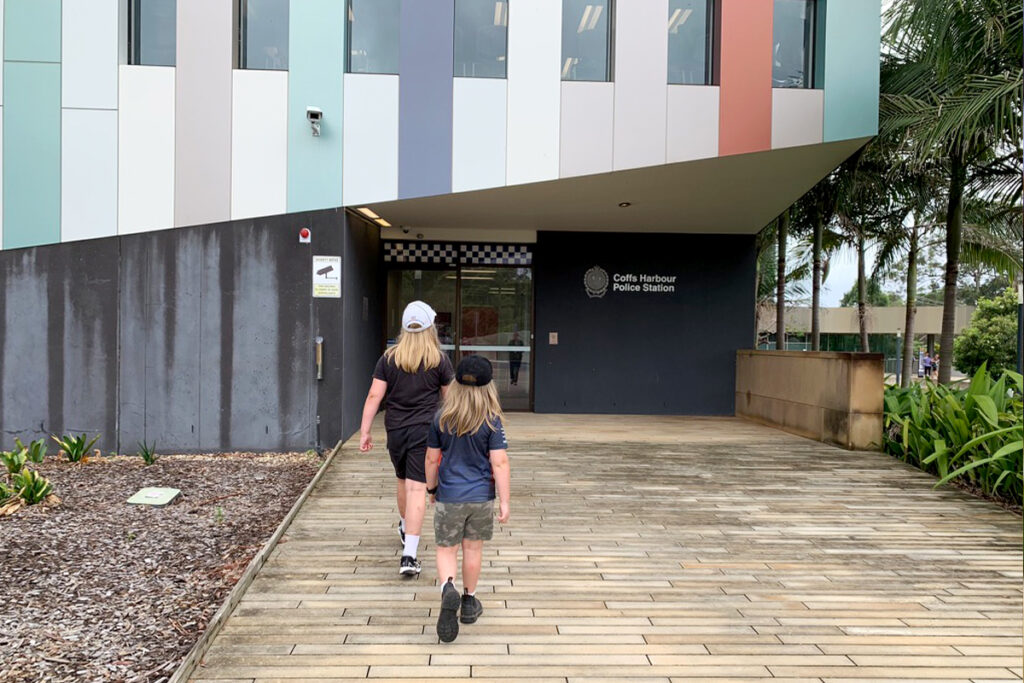
Historical Timelines & Real-World Experiences
We use a History Timeline Notebook to record everything – aircraft launches, volcanic eruptions, inventors, cultural events, and anything the boys find fascinating. It’s a grounding way to learn history without the overwhelm of memorisation.
Real-world ideas:
Virtual Field Trips
When energy is low or leaving the house isn’t an option:
Use costumes, props, or sensory items (sand, water, fabrics) to bring history to life.
Real-World Maths & Practical Life Skills
Everyday Maths
Some of our best maths has been spontaneous, like:
Life Skills Homeschool Projects
Use concrete objects, gamify tasks, and keep expectations low-pressure.
Technology, Photography & Digital Skills
This has been a powerful project area for my kids – especially for my youngest, who slowly built confidence through photography.
Ideas:
Photography is brilliant for anxious or demand-avoidant kids because it’s quiet, independent, and self-paced.

DIY Escape Rooms, Cooking Projects & More
These are perfect for dopamine-seeking, hands-on learners who need movement and novelty.
How to Choose the Right Homeschool Project (Without Overwhelm)
Use this as a guide, not a checklist:
1. Follow their current interest
Planes, volcanoes, LEGO cars, Minecraft, mythology – whatever lights them up.
2. Make it hands-on
If they can hold it, build it, or move it… they’ll engage more deeply.
3. Break it down
Visuals, checklists, timers, step cards, and predictable routines help reduce anxiety.
4. Keep it flexible
If the project stalls or their interest shifts, that’s okay. Pivot. Pause. Change direction.
5. Join them
Shared projects become shared moments – and those moments build confidence and connection.
Tools & Resources We Love
Final Thoughts
Hands-on homeschool projects aren’t about doing more – they’re about doing what works. When learning is tied to interests, sensory needs, and emotional safety, everything changes. Kids open up. Anxiety drops. Confidence builds. And learning becomes something they choose, not something they resist.
If you use any of these ideas in your home, I’d love to hear about it. You can share your projects, questions, or wins in my free Facebook group, Neurodivergent Homeschooling. We’re all navigating this together – one project at a time.
Ready to Take the First Gentle Step?
Homeschooling doesn’t have to feel overwhelming. The first stage is about clarity and reassurance – knowing you’re not alone and that there is a way forward that works for your child.
That’s exactly why I created Deschooling Essentials: A Free Mini Guide for Parents – to help you take those first steps with confidence.
👉 Grab the free mini guide!