Creating a Homeschool Schedule for ADHD & PDA Learners

Build a homeschool rhythm that works with your child’s ADHD or PDA profile – using flexible routines, sensory pacing, and need-based planning for calmer, easier days.

If you’re searching for a homeschool schedule for ADHD kids, you’ve probably already realised something important:

The typical colour-coded, hour-by-hour plans don’t work.
Not for ADHD brains.
Not for PDA profiles.
And definitely not for kids still recovering from school stress, burnout, or demand overload.

Most parents start homeschooling thinking they just need the “right schedule.” But when every plan falls apart by 9:15 a.m., it’s easy to feel like you’re doing something wrong. You’re not.

Traditional schedules fail ADHD and PDA learners because they’re built around time, compliance, and transitions – three areas where neurodivergent kids struggle the most. When the schedule becomes the demand, everything unravels.

But here’s the good news:
You don’t need a perfectly structured timetable to make homeschooling work.
You need a rhythm – one that fits your child’s energy, regulation, and neurotype.

After homeschooling my two autistic, ADHD, and PDA-profile boys for years, I’ve seen firsthand what actually helps. Some days we start with movement. Some days we start with screens because regulation comes first. And some days, the best way to begin is not by asking my son to join me at all – but by quietly engaging in something interesting myself. I might put on Dr Karl’s How Things Work and start watching on my own. After a little while, he’ll wander over and begin watching with me. If I’d asked him directly, he would have refused – but curiosity arrives gently when there’s no pressure.

Along the way, I’ve learned how to create schedules that work with neurodivergent kids instead of against them – using flexibility, co-planning, interest-led anchors, and Spoon Theory to guide our days.

In this guide, we’ll explore:

  • why traditional homeschool schedules fail ADHD & PDA learners
  • how to build a rhythm instead of a timetable
  • energy-based scheduling (and why it works)
  • low-demand entry points for PDA kids
  • visual supports, checklists, and routines that actually help
  • how to plan for both younger kids and teens
  • practical examples you can adapt today

By the end, you’ll have a framework that feels calmer, more sustainable, and far more aligned with the way neurodivergent kids actually learn.

Let’s build a schedule that supports your child’s nervous system – not fights against it.

Why Traditional Schedules Fail ADHD & PDA Learners

If you’ve ever tried to follow a colour-coded homeschool timetable and watched it fall apart by 9:15am, you’re not doing anything wrong – traditional schedules simply weren’t designed for neurodivergent learners.

Most school-style routines assume three things that aren’t true for autistic, ADHD, or PDA kids:

  • that focus can be switched on at will
  • that energy levels are predictable
  • that learning happens best in fixed blocks

For neurodivergent kids, none of this matches how their brains actually work.

ADHD brains shift between hyperfocus and “can’t focus at all” depending on interest, motivation, and nervous system regulation. Autistic and PDA kids struggle when demands feel rigid, externally controlled, or out of sync with their sensory needs. And both rely heavily on co-regulation, predictability, and emotional safety – things no timetable can force.

What the Research Says

A landmark study published in Frontiers in Psychology found that ADHD learners experience a 70% drop in task engagement when placed in rigid, externally structured environments compared to flexible, interest-led ones.

Another study showed that PDA-style demand avoidance spikes when schedules are tight and drops significantly when autonomy and choice are built into the day.

In real life, this looks like:

  • a child who can complete a maths task on Tuesday but melts down over it on Thursday
  • a child who shuts down when told “It’s time for reading”
  • a child who needs movement or quiet long before a scheduled break
  • a teen who appears “unmotivated” but is actually out of spoons

If a schedule feels like pressure, many ND kids simply cannot push through it – their nervous systems won’t let them. This is capacity, not behaviour.

Why This Matters For Your Homeschool

Rigid schedules create:

  • unnecessary stress
  • power struggles
  • nervous system overload
  • shame and frustration for the child (and you)

Flexible schedules – or what I call rhythms – create:

  • space for regulation
  • autonomy without chaos
  • calmer transitions
  • more organic learning windows
  • better connection and cooperation

And here’s the part that most families don’t hear: Your child isn’t failing the schedule. The schedule is failing your child.

The moment you stop trying to recreate school at home, everything begins to soften. You see your child’s energy patterns more clearly. You adjust more intuitively. And learning starts to happen in the quiet, unforced pockets of the day – not in 45-minute blocks.

Rethinking the Homeschool Schedule: From Timetable to Rhythm

Most parents start homeschooling believing they need a perfect timetable – something neat, colour-coded, and structured into hourly blocks. But for ADHD, autistic, and PDA learners, that kind of schedule usually collapses within days (or hours). And not because you’re doing anything wrong. It’s because traditional schedules were designed for neurotypical classrooms, not neurodivergent nervous systems.

A homeschool schedule for ADHD kids needs to feel breathable, adaptable, and regulation-first. And for PDA kids, it needs to feel optional, collaborative, and flexible enough that it doesn’t trigger the nervous system into a defensive “nope.”

Instead of a timetable, think of your day as a rhythm – predictable enough to feel safe, but spacious enough to bend around energy, mood, and spoons.

Why Rhythms Work Better Than Timetables

Rhythms allow for:

  • shifts in energy throughout the day
  • sensory needs to take priority
  • changes in environment or mood
  • interest-led detours
  • co-regulation opportunities
  • executive function differences
  • PDA-friendly autonomy

A rhythm doesn’t tell your child what to do every hour. It tells them what comes next – without pressure or force.

Where a timetable might say:

10:00 – Writing
a rhythm says:
After breakfast, we ease in with something calm (reading together, LEGO build, cuddly start).

Spoons First, Learning Second

One of the most important mindset shifts is recognising that learning cannot happen if a child has no spoons left.

Spoon Theory – widely used by autistic and ADHD adults – describes a person’s emotional, cognitive, and sensory energy as a limited daily resource. ND kids often start the day with fewer spoons, and lose them faster, because:

  • the world is more sensory-intense for them
  • transitions cost energy
  • executive function tasks cost energy
  • social interaction costs energy
  • unpredictability drains regulation

A homeschool schedule ADHD learners can actually follow is one that responds to spoons, not fights against them.

A low-spoon morning might look like:

  • slow start
  • co-regulation on the couch
  • a sensory activity instead of reading
  • interest-led activity rather than planned tasks

A high-spoon morning might look like:

  • jumping straight into a favourite project
  • learning bursts before the energy dips
  • a nature walk
  • reading together
  • going to the airport to photograph planes
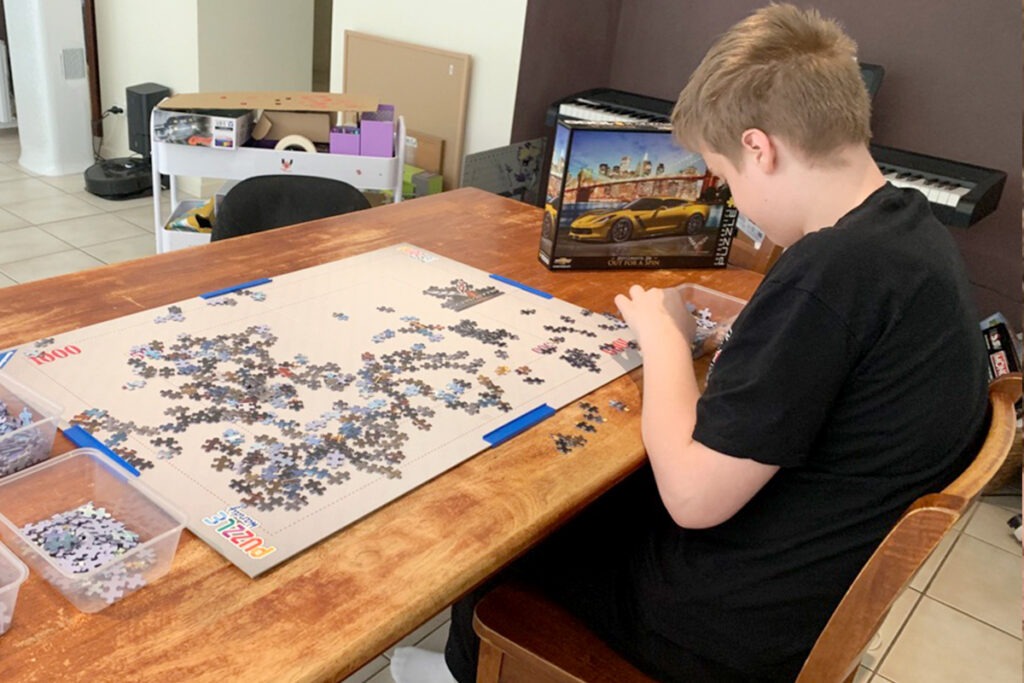
Child focused on assembling a large jigsaw puzzle at the dining table, with sorted pieces in plastic bins and the puzzle box showing a yellow Corvette. A quiet, screen-free moment that fits naturally into a relaxed homeschool rhythm supporting focus and executive function skills.

What Our Rhythm Looks Like (and Why it Works)

We don’t use formal time blocks. Instead, our day flows through anchor points that support regulation and predictability:

  • Ease-in time (quiet, connection, sensory calm)
  • Movement or fresh air (body-before-brain)
  • Learning window (short bursts, interest-led)
  • Lunch & reset
  • Afternoon project time (creative / hands-on)
  • Energy reset (sensory break, outdoors, music, screens used intentionally)
  • Evening wind-down

Screens are not the villain here. For many autistic and ADHD kids, screens provide:

  • regulation
  • hyperfocus opportunities
  • decompression
  • special-interest learning
  • predictable sensory input

We don’t restrict screens by the clock. Instead, we treat them as energetic and emotional tools, not rewards or threats.

“Following the thread” – how rhythms awaken curiosity

With my son (PDA), I’ve learned that invitation kills interest, but intrigue wakes it up.

If I ask:

“Do you want to watch this science video with me?”
I get an immediate: “No.”

But if I simply start watching something engaging – like Dr Karl’s How Things Work – he drifts over, watches silently beside me, and eventually joins in. The rhythm invites curiosity without triggering a demand.

This is the heart of a neurodivergent-friendly schedule:

  • Create openings, not orders.
  • Offer sparks, not assignments.
  • Let the day breathe, and let curiosity lead.

Practical Scheduling Strategies for ADHD Kids

ADHD brains aren’t built for long blocks, rigid sequences, or “sit still and focus now” demands. They thrive on movement, novelty, bursts of interest, and gentle structure that keeps things predictable without feeling restrictive.

Here are evidence-backed, neurodivergent-friendly ways to build a homeschool schedule that actually works.

1. Use Energy-Based Planning (Not Time Blocks)

Most traditional schedules assume focus is available on demand. For ADHD kids, focus follows interest and regulation, not the clock.

Try planning the day around:

  • high-spoons windows
  • low-demand support periods
  • natural rise-and-fall of attention

This approach is backed by ADHD research showing that task engagement improves when activities match a child’s current arousal state (Barkley, 2021).

2. Short Bursts & Frequent Breaks

Instead of 45-minute chunks, try:

  • 10 minutes of focused work
  • 5–10 minutes of movement or sensory reset
  • return to task only if regulation is steady

Studies show children with ADHD perform significantly better with distributed learning (short sessions) versus long continuous sessions (Kornell & Bjork, 2010).

3. Movement First, Thinking Second

Movement isn’t a reward – it’s a regulation strategy. Great movement starters:

  • trampoline
  • weighted ball exercises
  • animal walks
  • dance or free movement
  • a lap around the garden
  • swinging
  • or our favourite:
    visiting the airport to photograph planes on high-spoons days

Movement primes the prefrontal cortex and reduces hyperactivity, improving working memory and emotional regulation.

4. Anchor Points Create Predictability Without Pressure

Instead of scheduling the whole day, choose just a few anchor moments:

  • morning check-in
  • mid-morning movement
  • lunch
  • afternoon project time
  • evening wind-down

These work beautifully because they create rhythm without locking you into a timetable.

Child building a wooden ukulele from a Kiwi Crate kit, hands assembling the fretboard while following illustrated instructions on a cluttered table. A calming, hands-on activity as part of a flexible homeschool schedule for a child with ADHD and PDA.

5. Co-Regulation Before Expectation

If your child is dysregulated, nothing productive will happen – and shouldn’t. Calm nervous system → engaged brain.

  • sitting together quietly
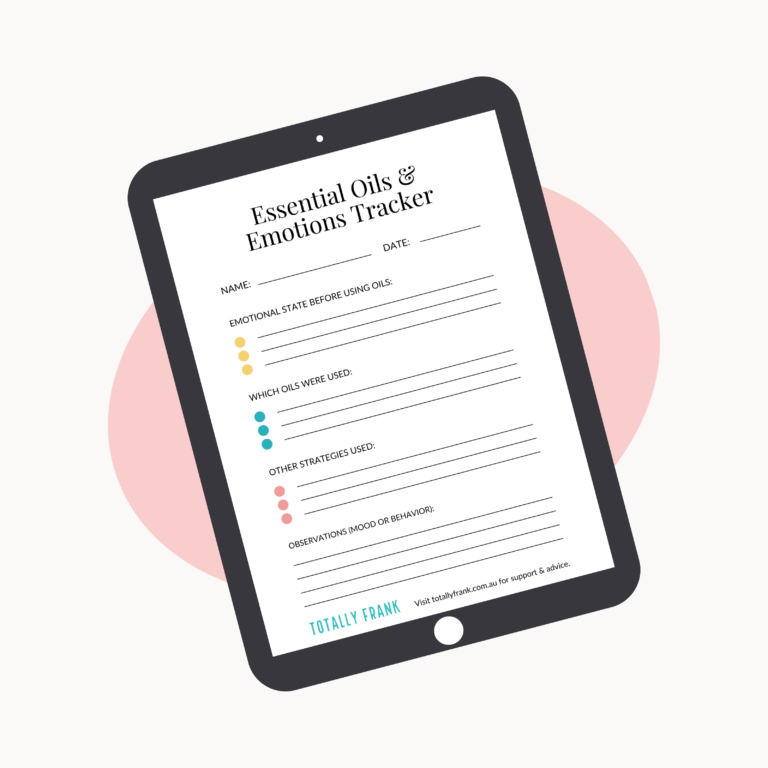
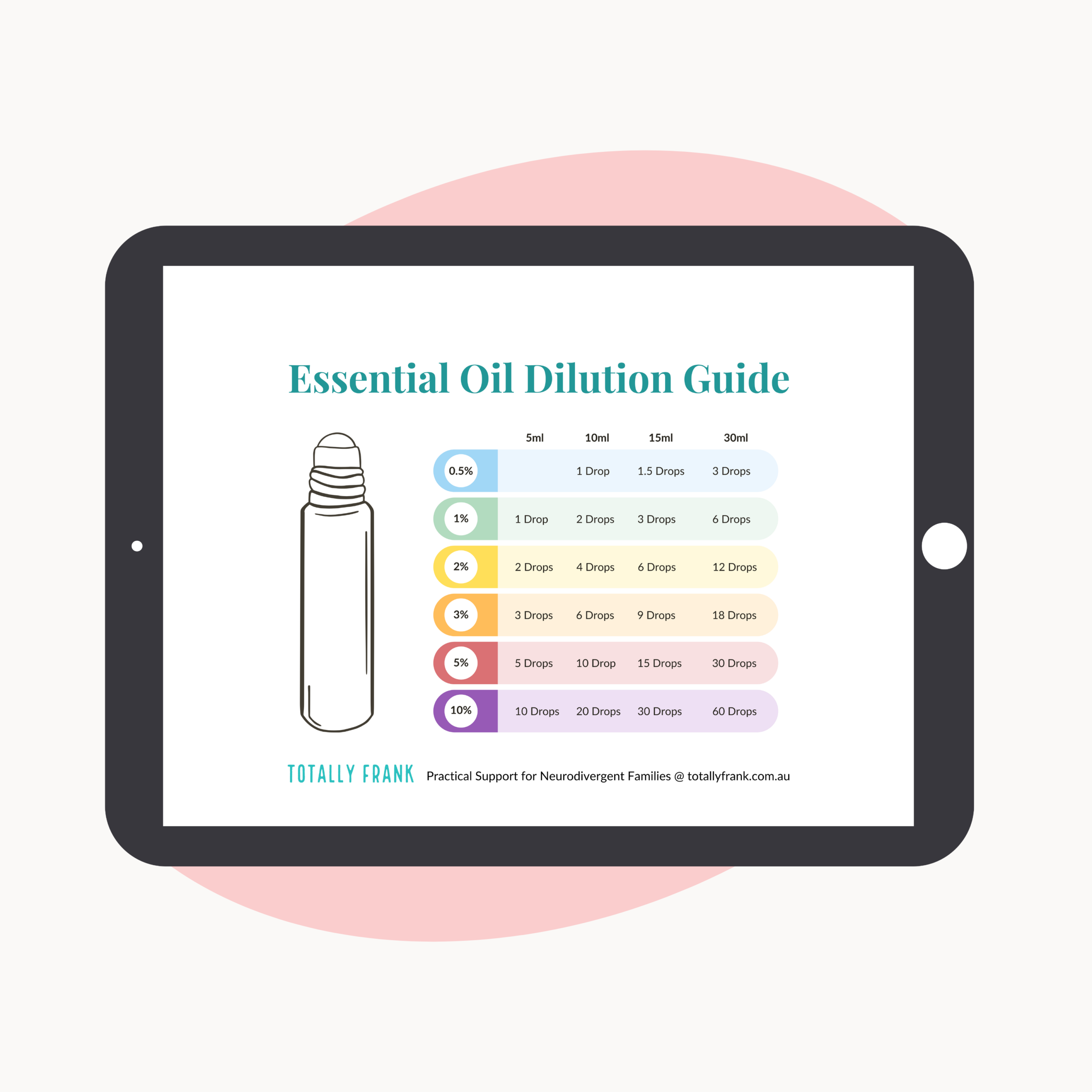
  • essential oils for transitions (Balance, Supermint)
  • deep-pressure input
  • humour or shared interests
  • a co-regulated pause before returning to learning

6. Use “Body-Doubling Light”

For ADHD kids, having someone nearby eases executive function demands. This can look like:

  • sitting together
  • doing your own task beside them
  • reading your own book
  • working quietly on a laptop

7. Embrace Interest Pivots


ADHD kids can go from “I can’t” to “tell me everything about this topic” instantly. The trick is having flexible materials ready:
books, videos, printables, maps, LEGO, art, YouTube rabbit holes, or a quick experiment.

If the spark happens – follow it. If it doesn’t – don’t push it.

8. Keep Transitions Gentle and Predictable

ADHD brains struggle to stop one thing and start another. Try:

  • 5-minute cues (“When the timer beeps…”)
  • visual countdown timers
  • transitional sensory input (jumping, fidgets, heavy work)
  • interest-based bridges (“Let’s pause Minecraft to look at this plane on FlightRadar…”)

9. Reduce the Hidden Demands

Every task has “invisible steps”: locating materials, deciding what to do first, organising workspace. Make life easier with:

  • baskets of ready-to-go supplies
  • one-page checklists
  • “today’s three options”
  • pre-printed activity sheets
  • visual instructions

This reduces cognitive load dramatically – especially on low-spoons days.

10. Remember: ADHD ≠ Lazy

A schedule that works with ADHD brains honours:

  • interest
  • energy
  • sensory needs
  • nervous system state
  • executive function differences

This is not avoiding learning. It is learning – just neurodivergent-first.

Adapting Homeschool Schedules for PDA Learners

PDA (Pathological Demand Avoidance) learners can’t be supported with typical planning strategies. Even gentle requests, visual schedules, or “fun activities” can trigger overwhelm because the nervous system interprets any expectation as pressure.

A PDA-friendly homeschool schedule focuses on:

  • autonomy
  • collaboration
  • co-regulation
  • low-demand design
  • invisible learning pathways
  • invitations, not instructions

This isn’t permissive parenting – it’s trauma-informed, nervous-system-aligned support for a child who feels unsafe when demands appear.

1. Create a “Choice-first” Environment

PDA kids need to feel in charge of their day in ways that are real, not performative.

Instead of: “Time for reading.”

Try: “We have books, art, sketches, or videos. Want to pick something that feels ok?”

Or: “I’m going to read The Word Spy – you’re welcome to join if you want.”

2. Use “Low Demand” Versions of High-Demand Tasks

For PDA kids, even enjoyable activities can feel inaccessible if framed as expectations. Examples:

  • Instead of “write a paragraph” → “want to help me brainstorm ideas while we walk?”
  • Instead of “math worksheet” → “want to add up our sushi plates today?”
  • Instead of “do a project” → “I’m building something – want to see?”

The function stays the same (learning), but the emotional entry point changes.

3. Co-Planning (Teens) or Co-Regulating (Younger Kids)

For younger kids:

  • sit together
  • follow their lead
  • offer invitations
  • scaffold without directing

For teens:

  • co-design the day
  • give broad options
  • plan visually together
  • allow veto power
  • break large goals into micro-steps

Teens with PDA respond well when they feel:

  • respected
  • involved
  • never cornered
  • never “managed”

4. Use “Invisible Learning” to Reduce Perceived Demands

For PDA kids, the feeling of learning matters as much as the actual activity. Invisible learning examples:

  • documentaries
  • You Tube Videos
  • Dr Karl’s How Things Are Made
  • LEGO engineering
  • designing games
  • photography
  • cooking
  • gardening
  • Minecraft builds
  • FlightRadar24 rabbit holes
  • audiobooks
  • strewing

They are still learning – they just don’t feel monitored.

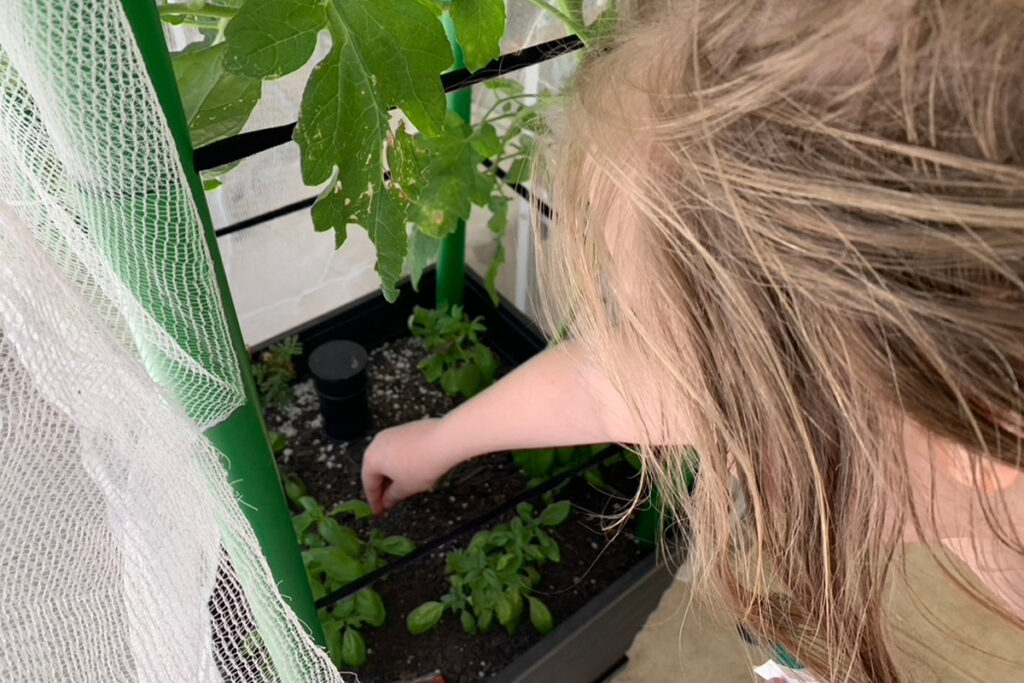
Child reaching into a small greenhouse planter to tend to young leafy greens beneath tomato plants. Gardening as a sensory-friendly, grounding activity woven into a homeschool rhythm for hands-on, nature-based learning.

5. Embrace the Power of Strewing

Strewing works beautifully for PDA kids because it:

  • removes the demand energy
  • invites curiosity
  • lets them approach at their own pace

Examples:

  • leaving The Word Spy open on a funny chapter
  • placing a model plane book near the breakfast table
  • printing a map next to the FlightRadar window

No “would you like to look at this?” No “we’re learning today!” Just gentle exposure.

6. Reduce Transitions (They Are Demands Too)

For PDA kids, shifting states can be as overwhelming as the task itself. Try:

  • longer rhythm blocks
  • fewer “start/stop” moments
  • transition rituals (snack, movement, oils, sensory input)
  • predictable anchors
  • open-ended activities that can continue tomorrow

7. Use Autonomy Scripts to Lower Resistance

Simple language tweaks make a huge difference:

Instead of: “We need to start maths.”

Try: “I’m going to set up the table – you can join if it feels ok.”

Instead of: “What do you want to do today?”

Try: “I’ve got three options – want to help me pick which one we start with, or we can just hang out first?”

Instead of: “You have to finish this.”

Try: “Let’s just do the easy part first, and we can leave the rest for later.”

These are not tricks – they create safety.

8. Think in “Spooning Costs,” Not Tasks

PDA learners don’t avoid demands because they’re defiant. They avoid demands because their spoon count is running low, and demands (even simple ones) cost an enormous number of spoons.

Low-spoon day?

  • soft materials
  • sensory-first
  • co-regulation
  • zero expectations
  • minimal transitions
  • comfort activities
  • tiny invitations

High-spoon day?

  • project work
  • airport photos
  • big rabbit holes
  • excursions
  • creative bursts

The goal is to protect the nervous system, not “push through.”

9. Focus on Safety First, Always

If a PDA child feels cornered:

  • fight/flight/freeze kicks in
  • learning shuts down
  • emotional load increases
  • the day deteriorates quickly

Your homeschool schedule should always honour:

  • agency
  • collaboration
  • nervous system safety
  • low pressure
  • flexible pacing

This isn’t avoiding education. It is the education – learning self-awareness, self-regulation, pacing, boundaries, and autonomy.

Tools That Help (Visual Schedules, Checklists, Planners)

Tools don’t magically “fix” executive function challenges – but the right tools remove pressure, reduce cognitive load, and make the day feel more predictable. For ADHD and PDA learners, the goal isn’t to enforce a timetable. It’s to create clarity, safety, and lowered overwhelm.

Here’s what actually helps neurodivergent kids (and their parents) keep a homeschool rhythm flowing:

1. Visual Schedules (But Make Them Flexible)

Rigid charts don’t work for ADHD or PDA kids, but visual anchors do. Think:

  • morning rhythm cards
  • “First–Then” boards
  • icons for movement, rest, project time
  • open-ended blocks rather than times
  • daily “pick 2” visual choices

Why this works:
ADHD brains need externalised structure. PDA brains need autonomy. Flexible visuals give both.

Tip: Use detachable cards or magnets so kids can rearrange, choose, or skip without guilt. (And yes – rearranging is regulation.)

2. Checklists (Brain Off, Body On)

ADHD brains love checklists – when they’re:

  • short
  • low-pressure
  • co-created
  • optional
  • visually appealing
  • dopamine-friendly

Examples:

  • “3 things that feel okay today”
  • “Projects I want to explore this week”
  • “Tiny Wins” list
  • “I need a break, so I can…” options

Checklists should feel like a menu, not a to-do list.

3. Co-Planning Tools for Teens

For teens, especially with ADHD or PDA, traditional planners rarely work. But co-planning does. Try:

  • big whiteboard weekly spread
  • “choose your focus” lists
  • mood/energy sliders
  • digital calendar with no alarms (PDA-safe)
  • collaborative planning sessions (5 minutes max)

Think: “You pick one thing you want to do. I’ll pick one thing I’d like us to cover. Then we’re done.”

4. Sensory-Friendly Tools That Support Rhythm

Neurodivergent kids regulate before they learn. Build tools into the schedule that support sensory needs:

  • weighted lap pads
  • wobble cushions
  • aromatherapy play dough
  • essential oils for transitions
  • noise-reduction headphones
  • chewable jewellery
  • movement timers
  • sensory bins
  • visual motion toys

These tools aren’t extras they’re the foundation that makes learning possible.

5. “Invisible Planning” for PDA Learners


Instead of planners ⇒ use ritual and rhythm:

  • “We always start with quiet time.”
  • “After lunch, we tend to do projects.”
  • “When we sit together with tea, we read.”

It feels spontaneous, but it’s actually rhythm-based structure that lowers demand anxiety.

6. Parent Tools (Because YOU Are the Executive Function)

For neurodivergent families, the parent is often:

  • the timekeeper
  • the transitions buffer
  • the emotional regulator
  • the planner
  • the co-learner

Tools that help you help them:

  • Reverse Planning Journal (coming soon)
  • sticky-note planning
  • “daily reflection” pages
  • phone reminders for you, not the child

Want tools that make planning calmer and more personalised?
Explore the Hands-On Projects, Learning Styles, and Unit Study Guide pages for more support.

Adapting Schedules for PDA Learners (Without Triggering Demand Avoidance)

PDA learners need a schedule – but they can’t feel scheduled. If something looks like a demand, sounds like a demand, or smells like a demand… they’re out.

This is why most traditional homeschool schedules collapse for PDA kids. Even “fun” plans can backfire if they feel imposed. The key is building a low-demand rhythm where your child experiences autonomy, collaboration, and psychological safety.

Here’s what actually works:

1. Use “Invisible Structure” Instead of Actual Structure

PDA kids regulate best when the plan is there – but not announced.

Examples:

  • you quietly set up LEGO nearby
  • you start watching How Things Work (Dr Karl) without inviting them
  • you begin your own project at the table
  • you leave a book open to an interesting page

This signals: “Here’s something safe you can join… if you want.”

It preserves autonomy while gently pulling them toward engagement.

2. Choice-Based Scheduling (The PDA Gold Standard)

Instead of: “We’re doing science now.”

Try: “Do you feel like video science or hands-on science today?”

Or: “Choose 1 thing from the green cards, and I’ll choose 1 from the blue cards.”

Choice lowers the threat response and keeps the nervous system regulated.

Tip: Keep choices genuine. PDA kids spot fake choices instantly.

3. Co-Regulation First, Learning Second

A dysregulated child cannot learn.

For PDA learners, co-regulation often is the morning routine:

  • sitting together in silence
  • having tea
  • rubbing Calmer oil on wrists
  • watching clouds
  • scrolling plane spotting apps together
  • gentle sensory play

Once their nervous system softens, learning naturally re-enters the picture.

4. “Strewing” for PDA Kids (with a Twist)

Strewing works beautifully for PDA learners because it:

  • invites instead of instructs
  • sparks curiosity
  • activates intrinsic motivation
  • bypasses the demand response

Examples that work exceptionally well for ND kids:

  • a half-built LEGO Technic set
  • a map with flight paths marked
  • a Kiwi Crate open on the table
  • a Word Spy book placed near breakfast
  • a new episode of How Things Work playing quietly

I’ve found the strategy of doing the thing first (instead of offering it) is the highest form of PDA-safe strewing. It’s gentle invitation, not expectation.

5. Reduce Friction, Not Freedom

PDA kids need the freedom to say no, but they thrive when the environment reduces friction around learning. Try:

  • materials left out and ready
  • low-mess setups
  • quick-win tasks
  • timers used by you, not for them
  • quiet companionship instead of direct instruction

The goal is to remove barriers so learning becomes easy to slip into.

6. High-Spoon vs Low-Spoon Day Adaptations

PDA brains track energy, not time. This is where Spoon Theory becomes practical.

High-spoon days:

  • airport plane watching
  • LEGO builds
  • deep-dive into an interest
  • project days
  • nature trails
  • photo explorations

Low-spoon days:

  • documentaries
  • sensory play
  • quiet co-regulation
  • Minecraft builds
  • audiobooks
  • slow reading together (Word Spy, etc.)
  • parallel play

Your homeschool schedule becomes responsive rather than prescriptive.

7. Co-Planning for Teens

As PDA kids approach the teen years, ownership becomes vital. Try:

  • co-creating the weekly rhythm
  • letting them choose one focus each week
  • exploring career-based interests (like the pilot pathway for my eldest son)
  • planning around passions, not subjects

Co-planning transforms resistance into collaboration.

8. Micro-Routines That Feel Like Freedom

Instead of structured blocks, use gentle bookends that support regulation:

  • “We always start with slow mornings.”
  • “After lunch we tend to work on projects.”
  • “Evenings are for calm activities.”

These micro-routines give the day shape without triggering the PDA reflex.

Putting It All Together: Build a Homeschool Schedule That Supports Your ND Child

When you shift from a rigid timetable to a flexible, needs-first homeschool rhythm, everything changes. Your child feels safer. You feel less pressured. And instead of pushing through burnout, your days begin to flow in a way that honours energy, curiosity, and connection.

A neurodivergent-friendly homeschool schedule isn’t about perfectly planned blocks or getting everything “done.” It’s about shaping a day that works with your child’s brain, not against it.

Here’s what a supportive rhythm usually includes:

  • regulation first
  • movement woven throughout the day
  • micro-routines instead of strict timelines
  • autonomy, choice, and co-planning
  • interest-led invitations (not demands)
  • spoon-based pacing – responding to energy, not the clock
  • sensory breaks and quiet reset spaces
  • connection as the anchor, learning as the outcome

And remember:
If you’ve met one neurodivergent child, you’ve met one neurodivergent child.
Your rhythm will be unique to your family – and that’s exactly right.

Your Next Steps (Choose What You Need Most)

If you’re unsure how to design your curriculum:

Choosing a Homeschool Curriculum for ND Kids (coming soon)

If your child learns best by doing:
Hands-On Homeschool Projects for Neurodivergent Learners

If you’re balancing energy, focus, and attention:
Supporting Different Learning Styles in Your Homeschool (coming soon)

If you’re homeschooling younger ND kids:
Planning for Younger Neurodivergent Kids (Ages 5–10) (coming soon)

If you’re homeschooling teens:
Homeschooling Tweens & Teens with Autism or ADHD (coming soon)

For a deeper dive into designing child-led learning:
Homeschool Unit Studies: A Step-by-Step Guide for Neurodivergent Kids

Want help making your days feel calmer?

If you’d like a gentle way to start building a more flexible, child-led homeschool rhythm, you can download my free Deschooling Essentials Mini Guide – it’s designed to help you release pressure, understand your child’s needs, and create calmer routines that actually work for neurodivergent families.

Grab the free mini guide!
(or continue exploring the links above)
Tablet displaying the cover of a free mini guide titled "Deschooling Essentials," featuring an illustration of a journal and the subtitle "A free mini-guide for parents." This image promotes a free resource for neurodivergent families seeking support with school refusal and gentle homeschooling.

Homeschooling a neurodivergent child isn’t about keeping up with someone else’s timetable – it’s about building a rhythm that honours your child’s nervous system, their interests, and their energy. When you shift from rigid schedules to flexible, connection-first days, everything becomes a little lighter. Remember: you’re not trying to perfect homeschooling. You’re creating a life where your child can learn, regulate, and feel safe..