Homeschooling a neurodivergent child – especially an autistic or ADHD child – starts best with calm, low-pressure steps. This guide will walk you through how to begin without rushing curriculum or copying school at home.
How To Start Without Pressure Or Perfection
If you’re considering homeschooling a neurodivergent child, there’s a good chance school has stopped being “just school” in your house.
Maybe your child is refusing, shutting down, panicking, masking all day then falling apart at home – or you’re watching them disappear under the weight of expectations that don’t fit. And now you’re stuck in that awful in-between: you know something has to change, but you’re scared of making the wrong call.
Starting neurodivergent homeschooling can feel like stepping off a cliff. Not because you don’t care about learning, but because you’re trying to protect your child – and you’re doing it without a clear map.
Here’s the piece that matters most at the start:
Homeschooling a neurodivergent child isn’t school moved to your dining table.
For many autistic and ADHD kids, the first step isn’t curriculum. It’s taking the pressure off long enough for capacity to come back.
I didn’t set out to homeschool either. We got here because the “try harder” version of school support wasn’t working anymore, and we needed a calmer way forward.
Quick summary (so you can breathe):
This page will help you:
You don’t need a perfect plan. You need a safer starting point.
So let’s start with what “starting” actually means here – because it’s usually not what people expect.
How To Start Homeschooling When Your Child Is Autistic Or ADHD
For many families, neurodivergent homeschooling doesn’t begin with excitement.
Instead, it begins when school becomes too hard – emotionally, sensory-wise, socially, or just in sheer demand load.
So if you’re here because your child is burnt out, anxious, shutting down, falling apart after school, or refusing outright, it makes sense that you feel shaky. You’re not behind. You’re responding.
Before we go any further, this matters:
Starting homeschooling isn’t the same thing as “starting school at home”.
If your child is autistic, ADHD, anxious, demand-avoidant, or simply overwhelmed, the best first step is almost always less pressure, not more structure.
If you’re still unsure whether your child needs a recovery period first, start here:
What Is Deschooling (And Does My ND Child Need It)?
What To Do First (Without Rushing Curriculum)
Step 1: Take Pressure Off Before You “Start”
To begin with, most families try to “start properly”. However, for neurodivergent kids, “properly” often feels like danger. So your first job is to remove pressure points like:
In other words: you’re not starting a program. You’re stabilising a nervous system.
If you want the research background on why stress can make thinking and learning harder (especially for kids with executive function challenges), this IES report, Executive Function: Implications for Education, is a solid overview.
Step 2: Work Out What Recovery Stage You’re Actually In
Next, ask: what does your child need right now?
Many kids move through phases like:
If you need realistic examples so you can stop second-guessing: My What Deschooling Really Looks Like guide has been written specifically to support parents homeschooling a neurodivergent child.
Step 3: Build Safety And Predictability (Not A Timetable)
At first, aim for anchors, not schedules. Anchors are simple things the day can hang off, like:
That’s enough to begin. Truly.
The First Gentle Steps That Reduce Pressure
Start With Anchors, Not Schedules
A low-pressure “anchor day” can look like:
This is especially helpful because many autistic kids do better with sensory predictability, while many ADHD kids do better when movement and novelty are built in. Even so, every child is different, so you’re watching what your child settles into.
Use Invitations, Not Instructions
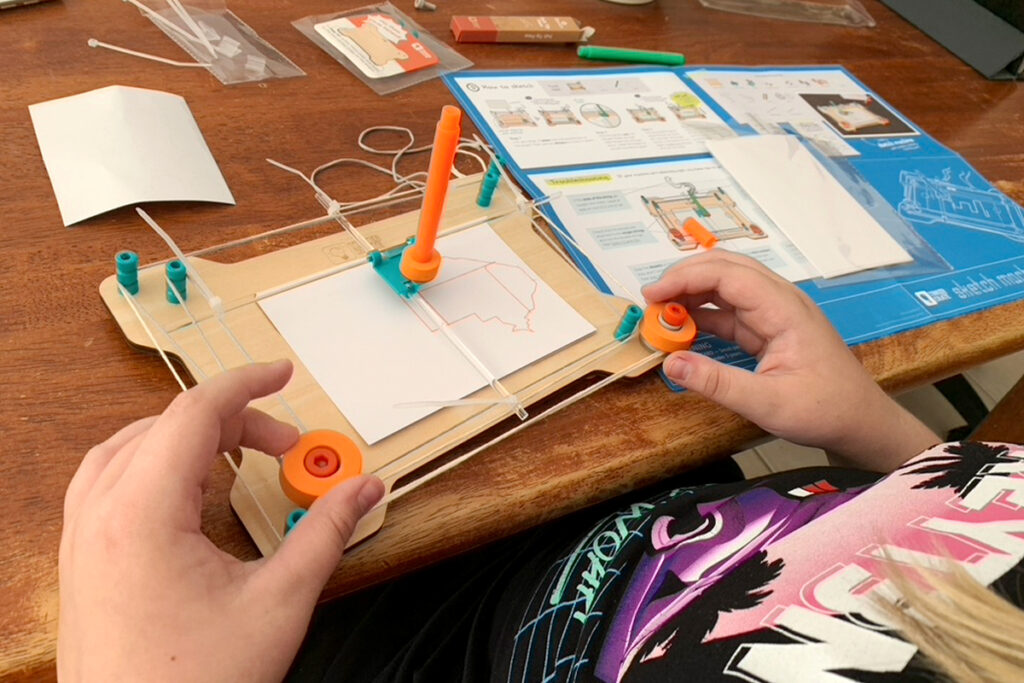
Then, as you go, swap commands for invitations. It reduces threat fast.
Try scripts like:
If your child is demand-avoidant, this matters even more. Pressure and compliance-focused approaches can increase distress for some kids, and the research base in this space is still developing and debated.
Start With Interests And Life Skills (Because They Count)
Now comes the part that helps parents exhale: learning doesn’t have to look like school to be real.
In the early months, “learning” might be:
So instead of asking, “How do I teach Year 4 maths?”, you can ask, “What helps my child feel safe enough to engage?”
Protect Their Relationship With Learning
Finally, protect the association your child forms in these early months.
Try to avoid:
Because once learning feels safe again, it becomes easier to build structure later.
What To Stop Doing (So You Don’t Recreate School At Home)
This is where many parents accidentally increase pressure without meaning to.
As much as you can, stop:
Instead, keep returning to the foundation: safety, capacity, connection.
What “Enough” Looks Like In The Early Months
You don’t need a perfect homeschool. You need enough stability that your child can start recovering.
In the early months, “enough” might look like:
If those things are happening, you’re not doing “nothing”. You’re rebuilding capacity.
Starting While You’re Still In School Refusal Or Burnout
If you’re in the thick of school refusal, you might be thinking you can’t start homeschooling until everything is calm.
However, many families begin while things are still messy.
That’s okay.
In fact, the first season of homeschooling a neurodivergent child often isn’t “school” at all – it’s deschooling: a pressure-reduction, recovery phase that helps capacity come back.
So if homeschooling right now looks like:
…that can still be a valid start.
If you’re not sure whether your child needs more recovery time first, this will help:
What Is Deschooling (And Does My ND Child Need It)?
A Gentle Next Step
If you think you’re in a deschooling season, the deschooling guide above will help.
Optional support (no push): If you want more structure for you (without pressure for them), The Deschooling Survival Guide can support you through the messy middle.
If you like extra background on executive function and self-regulation (the skills that get harder under stress), Harvard’s resource guide is a helpful starting point.
Frequently Asked Questions
How Do I Start Homeschooling An Autistic Child If They’re Burnt Out?
Start with recovery, not curriculum. Reduce pressure, build predictable anchors (food, rest, connection), and let capacity return before you add structure.
How Do I Start Homeschooling A Child With ADHD Without Constant Battles?
Keep the day flexible, build in movement, and use invitations rather than instructions. Start from interests, and aim for rhythm over timetables.
Do I Need A Curriculum Straight Away When We Start Homeschooling?
No. In the early phase, a curriculum can increase pressure and shutdown. Many families do better starting with recovery, anchors, and interests first.
What If My Child Refuses Anything That Feels Like “School”?
That’s common, especially after stress or school refusal. Change the language, drop school-like structure, and focus on safety and connection before reintroducing “learning”.
How Do I Set A Gentle Rhythm Without A Timetable?
Use anchors: food, rest, movement, connection. Then let the day flow around them. Predictability doesn’t require a schedule.
What Does “Enough” Look Like In The Early Months?
Enough looks like reduced stress, more rest, more connection, and small signs of curiosity returning. It doesn’t have to look productive to be progress.
Can We Start Homeschooling While We’re Still Recovering From School Refusal?
Yes. Many families start with recovery first. Homeschooling a neurodivergent child can begin as a pressure-reduction season, then transition gently when capacity returns.