Looking for deschooling examples that feel realistic for neurodivergent kids? This gentle guide walks you through what deschooling can look like day to day – including screens, rest, demand detox, and the slow return of curiosity.
If Deschooling Feels Messy, You’re Not Doing It Wrong
If you’re searching for deschooling examples, you’re probably in that wobbly in-between stage where you’ve taken school off the table (or you’re close)… and now you’re staring at your days thinking:
Because deschooling rarely looks like “learning”. It often looks like screens, sleep, avoidance, boredom, mess, and big feelings.
This page is here to normalise that.
Quick Summary (so you can breathe):
For most neurodivergent kids, deschooling doesn’t start with learning. Instead, it starts with recovery.
Deschooling is a recovery phase, not a plan. If you want the full definition, plus signs your child might need it and how to think about readiness, start here: What is deschooling (and does my ND child need it)?
Deschooling Examples By Phase (What It Can Actually Look Like)
These phases overlap. They loop. They repeat. That’s normal.
Phase 1: decompression (it can look like “nothing”)
This is the stage that scares parents the most, because it looks like the opposite of progress.
Real deschooling examples here might include:
This is what decompression looks like. It can feel like nothing is happening – but recovery is happening.
Phase 2: demand detox (especially for demand-avoidant kids)
Sometimes, after school pressure stops, a child’s tolerance for demands drops even further. That can be confusing. And it can be intense.
Deschooling examples in this phase can include:
If your child has demand-avoidant traits, this phase often isn’t “defiance”. It’s threat response & control-seeking, because control can be regulating.
Phase 3: settling (capacity slowly returns)
This stage is usually subtle. It’s not a “switch”.
You might notice:
This isn’t “they’re fixed”. It’s more capacity.
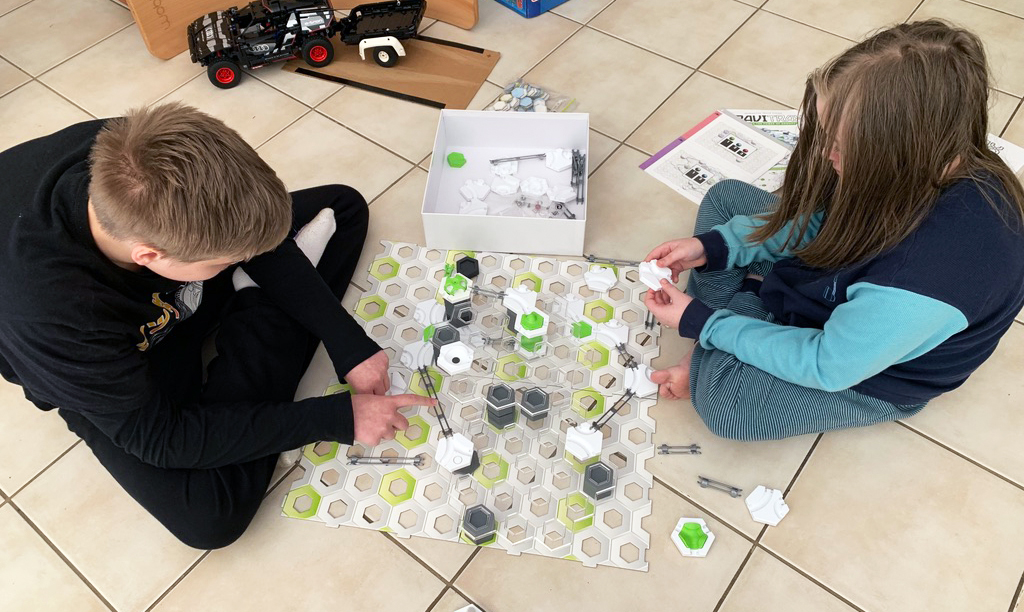
Phase 4: curiosity returns (often sideways)
This is where parents finally breathe again… but it still might not look like school.
Real deschooling examples here can look like:
Here’s the line I want you to hold onto:
If it’s chosen, it’s information. If it’s repeated, it’s learning.
A child rewatching the same video ten times isn’t “wasting time”. They might be learning through repetition because that’s how their brain feels safe exploring.
“But it’s all screens…” (a calm section for panic and guilt)
If your child wants screens constantly during deschooling, you’re not alone. Screens can give:
When stress is high, learning access can drop – especially for kids with executive function challenges.
What you can do without turning it into a battle
Instead of trying to “fix screens”, focus on safety and rhythm first:
The goal isn’t to eliminate screens. The goal is to notice whether your child’s overall stress is coming down over time.
“What am I meant to do all day?” (your role, without pressure)
You don’t need to become a teacher during deschooling. In this phase, “support” often looks like:
If you want a fuller “what to do during deschooling” guide – with realistic deschooling examples – Deschooling Essentials (free) will walk you through the early weeks without adding pressure.
For now, here are a few low-pressure invitations that often land better than lessons:
Low-pressure invitations that often land better than lessons
These are small, boring, steady. That’s the point.
You’re not trying to create outputs. You’re rebuilding trust.
Signs deschooling is working (even if it still looks messy)
You might notice changes like these – often small and easy to miss at first:
Progress isn’t linear. But if the overall direction is “more capacity”, you’re not stuck.

When you might need extra support
This isn’t about judgement. It’s about not doing this alone if things feel unsafe or unbearable. Extra support can help if:
You’re allowed to get support. That doesn’t mean deschooling has failed.
A gentle next step (if you want one)
If you’re in the early phase and everything feels confusing, flat, or frightening, you don’t need more advice. You need something that steadies you.
If you want more deschooling examples (and reassurance about what’s normal), start here:
Download: Deschooling Essentials (free)
A simple mini guide that covers:
Optional support (no push): If you want more structure for you (without pressure for them), Your Deschooling Survival Guide can support you through the messy middle.
When your child is starting to settle and you’re wondering what comes next:
From Deschooling to Homeschooling: Gentle Transitions
Frequently asked questions
What are some real deschooling examples?
Common deschooling examples include extra sleep, heavy screen use, refusing demands, withdrawing to recover, and later returning to interests through projects, tutorials, building, and deep dives.
Is it normal to do “nothing” during deschooling?
Yes. Early deschooling often looks like “nothing” because recovery comes before curiosity. Quiet, flat days can be part of the nervous system settling.
Why do kids want so much screen time during deschooling?
Screens can support regulation, predictability, dopamine, and a sense of control – especially after long periods of stress.
How do I know if deschooling is working?
Look for small shifts in capacity: less fear, more flexibility, steadier moods, more connection, and curiosity beginning to return.
How long does deschooling take for neurodivergent kids?
There’s no set timeline. A better guide is capacity: less fear, more flexibility, more connection, and curiosity returning. If you want the full “signs you need more time vs signs you’re ready” breakdown, it’s here.
What if my child refuses everything – even fun activities?
That can happen during demand detox, especially for demand-avoidant kids. Keep things low-pressure, offer choices, and focus on safety and connection.
Does deschooling look different for autistic, ADHD, or demand-avoidant kids?
Often, yes. Many kids need more sensory safety, more rest, and less pressure. Demand-avoidant kids often need extra autonomy and fewer spoken demands.
When should we start gentle learning again?
When your child shows more capacity: curiosity returns, fear reduces, and tiny rhythms don’t trigger threat. The transition doesn’t need to be sudden.