Discover why neurodivergent homeschooling can support recovery, regulation, and learning access – especially after school distress or long-term pressure. Learn what changes when stress comes down, why “fit” matters more than forcing, and how homeschooling can support autistic kids, ADHD kids, and demand-avoidant kids.
Why Neurodivergent Homeschooling Can Support Neurodivergent Kids
If you’re exploring neurodivergent homeschooling, chances are school has become a daily stress point – not just a place your child goes.
Maybe your child is refusing, shutting down, panicking, masking all day then falling apart at home – or you’re watching them disappear under the weight of expectations that don’t fit. And now you’re stuck in that awful in-between: you know something has to change, but you’re terrified of making it worse.
Homeschooling can be one of the first big shifts neurodivergent families make when school pressure has built up for too long. It’s not “giving up”. It’s not lowering expectations. It’s changing the environment so a child can recover and reconnect with learning – in a way their nervous system can handle.
I didn’t set out to homeschool either. We reached this point because we had to take the pressure off before anything else could work.
On this page, I’ll explain what changes when stress comes down, why “fit” matters more than forcing, and how homeschooling can support autistic kids and kids with ADHD – without recreating school at home.
Quick Summary (So You Can Breathe)
Why Neurodivergent Homeschooling Can Feel Like Relief (Fit, Not Flaw)
For many families, homeschooling doesn’t start with a dream of learning at the kitchen table. It starts with a realisation: the current set-up is asking your child to do things their nervous system can’t reliably do right now.
That’s why I keep coming back to this framing:
Homeschooling can help because it lets you change the conditions – not just push harder inside the same conditions.
What Changes When Pressure Comes Down
This is the part that’s hard to explain to people who haven’t lived it.
When school pressure is high, a child can look like they’re “not learning”, “not trying”, or “going backwards”. But stress changes learning access.
Stress Can Change Learning Readiness
Stress can affect how kids pay attention and learn – and it isn’t a simple “stress is always bad” story. It’s individual and context-dependent.
Stress Can Shrink Working Memory
Working memory is one of the brain’s key learning workbenches – and stress can shrink what a child can hold and use at once.
That matters because working memory supports:
So when your child can’t do what they used to, it may not be laziness. It may be overload.
Stress Can Block Recall
Stress right before recall can make it harder to access what’s already there. A child can “know it” and still freeze. Homeschooling can support learning simply by reducing the “show me right now” pressure long enough for access and confidence to return.
Why Homeschooling Can Help Autistic Kids Recover From School Pressure
This isn’t about claiming homeschooling is “better” for every autistic child.
It’s about naming why school can be a hard fit for many autistic kids – and why changing the environment can reduce distress.
In one parent survey, exclusions and failed placements showed up across autistic children with and without demand-avoidant traits. That suggests school can be a hard fit for many autistic kids – not only PDA-profile families.
Homeschooling can support autistic kids when it provides:
And importantly, it can create space for recovery without constantly re-triggering the same stress cycle.
If you’re in this space, the question often isn’t: “Is homeschooling perfect?” It’s: “Is this more workable than what we’re doing now?”
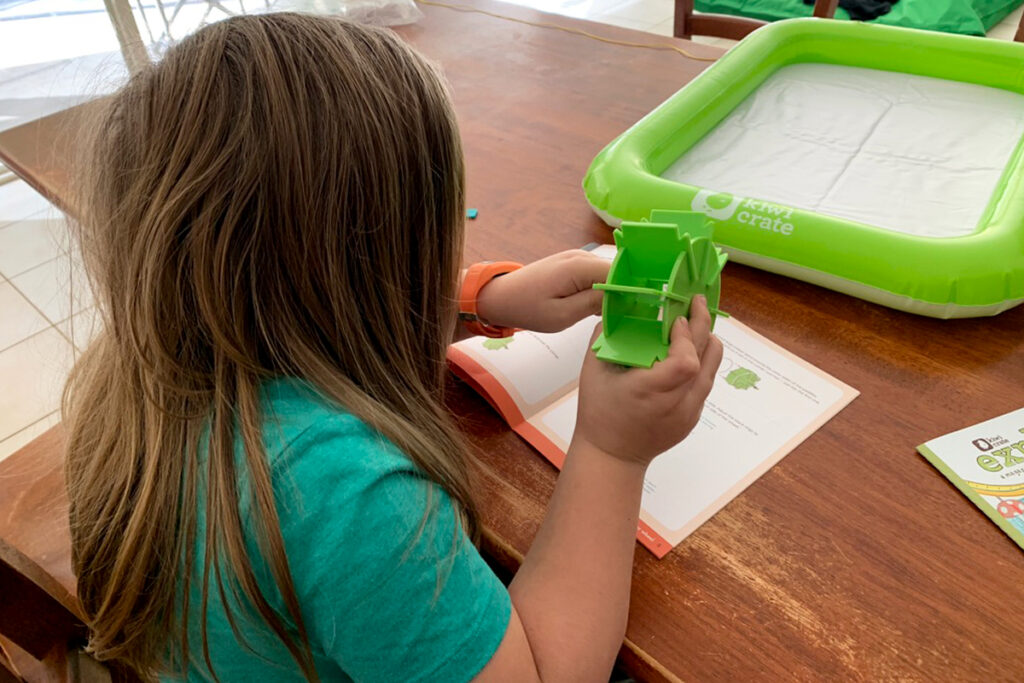
Why Homeschooling Can Help ADHD Kids With Regulation And Engagement
ADHD often comes with executive function load challenges – especially around starting tasks, shifting between tasks, and maintaining focus under pressure.
Executive function helps kids plan, start, focus, remember steps, and switch tasks. When stress rises, executive function can drop – which is one reason rigid timetables can backfire for some learners.
Homeschooling can help because it can reduce the things that increase executive function load:
It also makes it easier to use supports that reduce load:
This is why many families find kids with ADHD engage more when learning feels:
Not because the child suddenly “tries harder”. Because the learning is finally more accessible.
Why Autonomy And Flexibility Help (Especially Under High Stress)
This matters for many neurodivergent kids – not just one profile.
When a child is already under high stress, more control and more pressure can make things worse. Flexibility and autonomy can help lower threat and protect connection.
This is also where some families get judged. People see “choice” and assume permissive parenting. But for kids who escalate under pressure – including kids with demand avoidance traits – autonomy can be a regulation support.
In real life, autonomy support often looks like:
Homeschooling can support kids with demand avoidance traits because it allows flexibility without constant external enforcement – so you can prioritise relationship, safety, and workable learning access.

What This Means In Real Life (Without Turning It Into “School At Home”)
If you take one message from this page, take this:
Homeschooling can support neurodivergent kids because it can lower stress enough for learning to become reachable again.
That doesn’t mean zero structure. It means choosing the kind of structure that supports regulation and access:
And if you’re worried about motivation, keep this in mind:
When autonomy, competence, and connection are supported, wellbeing and motivation tend to be higher – and controlling environments tend to undermine them.
That’s not a “homeschooling claim”. That’s a human needs claim.
Frequently Asked Questions
Is neurodivergent homeschooling a good option after school distress?
It can be – especially when the goal is recovery first. If school attendance difficulties are being driven by significant emotional distress and unmet need, changing the environment can be a reasonable next step.
Does homeschooling help autistic kids?
It can support recovery and learning access for some autistic kids, especially where school fit has been poor or distress has been high.
Does homeschooling help ADHD kids focus?
It can help some kids by reducing time pressure and transitions, and by allowing executive function supports and movement to be built into the day.
Will my child fall behind if we prioritise recovery first?
Many families worry about this. What’s also true is that high stress can reduce working memory and learning access – so “pushing through” doesn’t always create progress. A calmer start can protect long-term capacity.
What if my child won’t do “school work” at home?
It might be capacity, stress, or demand load – not defiance. Stress before recall can block what a child can show on demand. Start with access, not output.
How do I avoid recreating school at home?
Keep the focus on regulation and fit. Use gentle structure that reduces executive load (visible steps, fewer transitions) rather than rigid schedules.
What about demand avoidance and “needing control”?
For some kids who escalate under pressure, autonomy can be a regulation support, not a reward – and compliance-driven approaches can backfire.
Read Next
How To Start Homeschooling A Neurodivergent Child
What Is Deschooling (And Does My ND Child Need It)?
A Gentle Next Step
If you’re in that early season where everything feels tender and messy, Your Deschooling Survival Guide is support for this exact moment – pressure-off, nervous-system-first, and practical.