Create a homeschool learning plan that works with your neurodivergent child – not against them – using gentle rhythms, regulation-first anchors, and ADHD- and PDA-friendly strategies that flex with energy and capacity.
Homeschool Learning Plan Ideas for ADHD & PDA Learners
If you’re racking your brain for a homeschool learning plan that doesn’t implode by mid-morning, you’re not alone.
Maybe you’ve tried the colour-coded planner. The “morning basket”. The beautiful routine cards. And somehow… it still feels like you’re pushing a boulder uphill while your child’s nervous system keeps yelling nope.
Here’s the shift that changes everything:
You don’t need a tighter plan.
You need a gentle rhythm – built around anchors, energy, and capacity (not the clock).
Especially if you’re homeschooling a child with ADHD, a PDA profile, anxiety, school stress, or burnout.
A Quick Summary
A homeschool learning plan can be a rhythm, not a timetable.
For ADHD and PDA learners, that usually means:
If your day looks messy but your child feels safer, that’s not failing. That’s progress.
Why timetables fall apart for ADHD and PDA learners
Traditional schedules rely on three things neurodivergent kids often can’t access on demand:
ADHD brains tend to run on interest + nervous system state, not “it’s 10:00 so now we write”. PDA profiles can experience even gentle structure as pressure – and pressure flips the nervous system into threat mode.
So the plan becomes the problem. And then the guilt kicks in. But the issue usually isn’t your child. It’s the assumption that learning must happen inside a school-shaped container.
Rhythm vs timetable: what “gentle structure” actually means
A timetable tells your child what to do and when. A rhythm simply gives the day shape.
Rhythm sounds like:
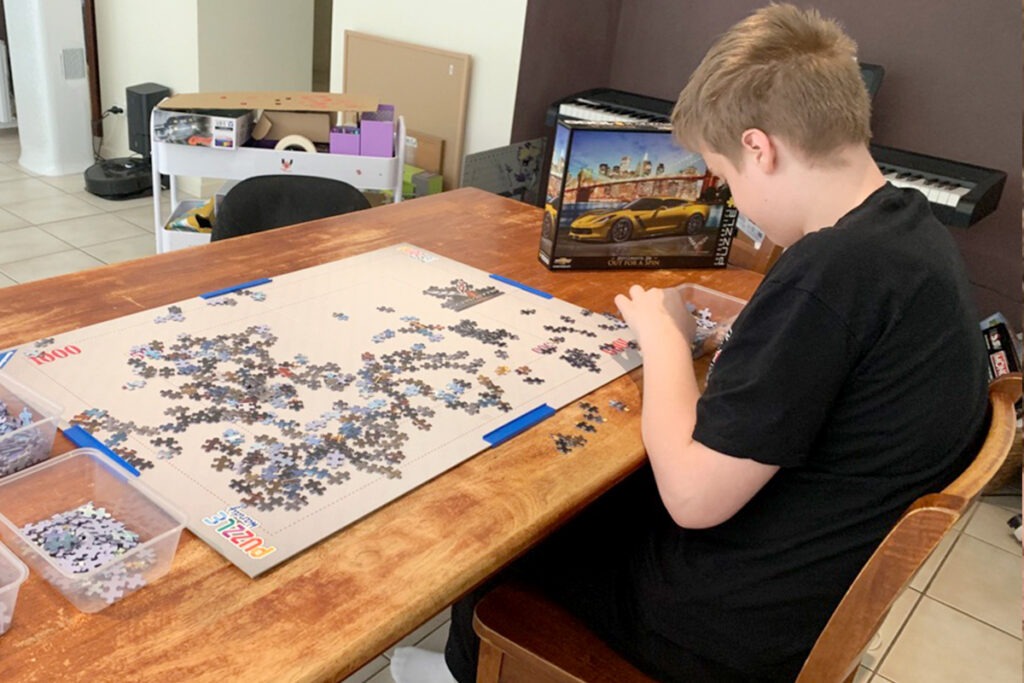
Step 1: Pick 3–5 anchors (not 25 routines)
Anchors are the steady points you come back to. They reduce decision fatigue and lower the “what’s happening now?” stress.
Try anchors like:
That’s it. The rest can breathe.
Step 2: Plan by energy, not hours
This is the core of an ADHD & PDA-friendly homeschool learning plan:
High-energy windows
Great for:
Medium-energy windows
Great for:
Low-energy windows
Great for:
When learning feels hard, it’s often because we’re trying to do high-demand tasks in low-capacity moments.
And for neurodivergent learners, working memory overload is real – breaking tasks into smaller steps and using external supports can reduce cognitive load and make learning more accessible.
Step 3: Reduce transitions (they cost more than you think)
Transitions can be surprisingly expensive for ADHD and PDA nervous systems.
If your child is doing something regulating (even screens), forcing a transition can backfire – not because they’re being difficult, but because the switch itself is costly.
Instead, aim for:
A rhythm is allowed to be lopsided.
Step 4: ADHD-friendly rhythm supports (without making the day rigid)
Keep learning in short bursts
Think: “tiny and doable” rather than “finish the lesson”.
Use “body-doubling”
You sit nearby doing your own thing. Your presence scaffolds attention.
Make the invisible steps visible
ADHD kids often get stuck on the starting.
Set up:
External aids and breaking tasks into steps can lower the load on working memory and make independent learning more possible.
Step 5: PDA-friendly rhythms (create openings, not orders)
Here’s the PDA piece many homeschool plans miss:
Even a gentle request can feel like a demand. And a demand can feel like danger.
So we build the day differently.
Use indirect language
Instead of instructions, use observations, suggestions, and modelling.
Intrigue beats invitation
With my PDA child, I’ve learned this the hard way:
If I ask, “Do you want to watch this science video with me?” it’s an instant no. But if I start watching something engaging (Dr Karl is a favourite), he’ll drift over, watch silently, and eventually join in.
The rhythm invites curiosity without triggering demand.
“Invisible structure” is still structure
You can have a strong rhythm without announcing it.
Strewing (PDA-safe edition)
Strewing works best when it’s neutral and low-pressure:
No “this is our lesson”. Just a spark.
Step 6: Build “micro-routines” that feel like freedom
For many PDA kids, routines only work if they don’t feel like rules.
Micro-routines are soft patterns like:
You’re not controlling the child. You’re shaping the environment so learning can quietly re-enter.
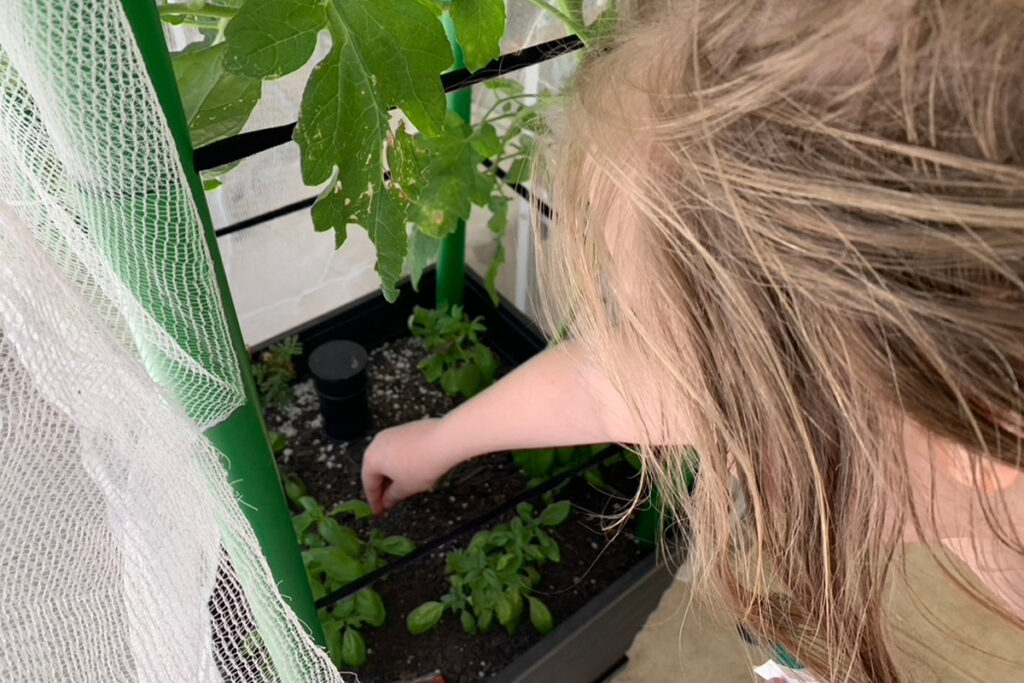
What a gentle rhythm can look like (examples you can copy)
Low-capacity day
Medium-capacity day
High-capacity day
None of these are “better”. They’re just different energy days.
If you feel like you’re “not doing enough”
This is where I want you to hear me clearly:
A calmer nervous system is not a detour from learning. It’s the foundation of learning. And if you’re already building trust, reducing pressure, and letting curiosity lead – you’re doing something incredibly educational.
Frequently Asked Questions
What is a homeschool learning plan?
A homeschool learning plan doesn’t have to be a timetable. For many neurodivergent families, it works better as a rhythm – a few predictable anchors (like ease-in time, movement, food reset, and a project window) that repeat most days.
What is a homeschool rhythm?
A homeschool rhythm is the shape of your day without the pressure of a timetable. It’s a few predictable anchors (like ease-in time, movement, food, and a wind-down) that repeat often enough to feel safe – but flexible enough to bend with capacity.
What’s the difference between a rhythm and a timetable?
A timetable tells your child what to do and when. A rhythm gives the day a gentle flow. Timetables rely on consistent focus, smooth transitions, and compliance with external structure – which is exactly what many ADHD and PDA learners can’t access on demand.
How do I make a homeschool learning plan for ADHD?
Plan by energy, not hours.
Use short learning bursts, build in movement, and reduce friction by making the “invisible steps” visible (a ready basket, one page on the table, a simple pick-one menu). The goal isn’t perfect follow-through – it’s easier access.
How do I homeschool a PDA child without triggering demand avoidance?
Think openings, not orders.
Use indirect language, model the activity first, and keep choice and veto power real. Your rhythm can be strong – it just can’t feel imposed.
What if my homeschool plan falls apart every day?
That usually means the plan is too clock-based or too demand-heavy.
Scale back to the basics: a slow start, movement, food reset, and one open-ended window. A rhythm that bends is more sustainable than a plan you can’t follow.
What counts as homeschool learning on low-capacity days?
Low-capacity days can still be full of learning – it just won’t look like school.
Audiobooks, documentaries, Minecraft, LEGO builds, cooking, gardening, drawing, practical maths, and deep interest dives all count. If your child is engaging, building skills, or exploring ideas, it counts.
Are screens OK in a homeschool rhythm?
Screens can support regulation and learning for many neurodivergent kids. Instead of treating screens as a reward or battling strict limits, it can help to look at purpose – what is the screen time doing for their nervous system today?
How do I reduce transitions for ADHD and PDA learners?
Transitions are expensive. Use fewer start/stop moments, longer open-ended blocks, and bridging supports (snack, movement, a gentle cue, or “continue tomorrow” projects). Design the day to need fewer switches.
How do I know if my homeschool rhythm is working?
A rhythm is working if your child feels safer and you’re seeing more access over time: fewer power struggles, easier starts, better recovery after stress, and more curiosity windows – even if the day still looks messy.