You don’t have to recreate school at home. Neurodivergent homeschooling can begin with less pressure, more flexibility, and a different way of seeing learning.
Parenting and educating a neurodivergent child can feel overwhelming – especially when the usual approaches to learning don’t seem to fit your child.
Many families arrive here feeling unsure where to start. You might be considering homeschooling, taking a break from school, or looking for a way to support learning that feels calmer and more manageable.
The Neurodivergent Homeschooling section of Totally Frank brings together practical, low-pressure support for homeschooling neurodivergent kids. You’ll find help to start gently, reduce overwhelm, and build a version of learning that works for your child and your family.
You don’t have to figure everything out at once. You can start wherever you are.
On this page you’ll find support for:
Considering Homeschooling
If you’re wondering whether homeschooling is the right path, you’re not alone.
This section helps you explore what homeschooling can look like for neurodivergent kids, without pressure to decide quickly or get it “right”. It’s a place to understand your options, ease some of the fear, and take the next step at your own pace.
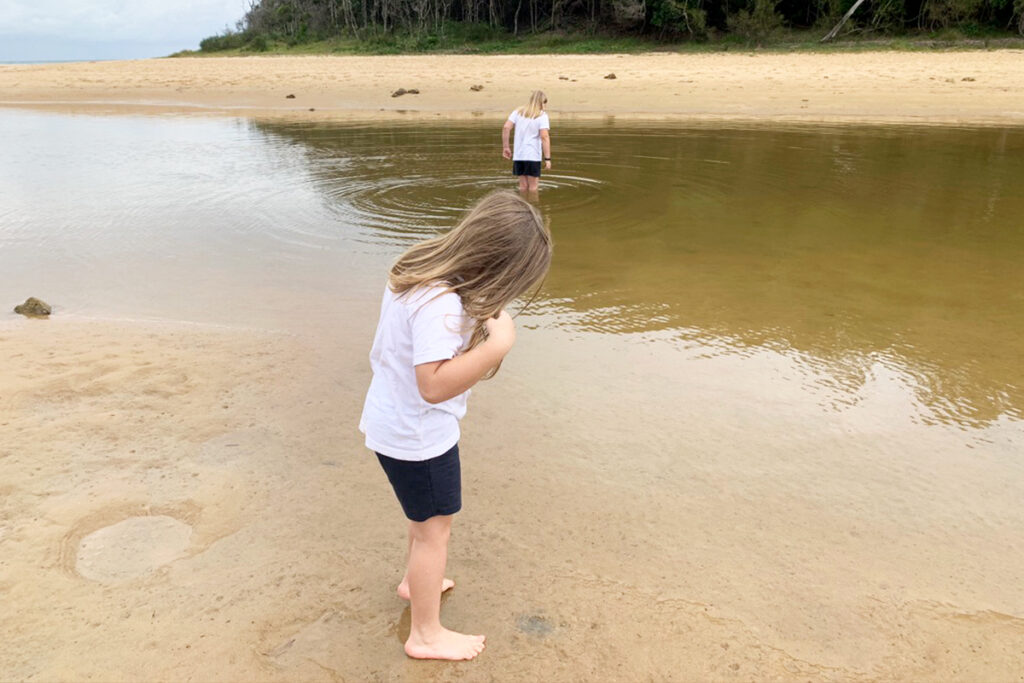
Should I Homeschool My Neurodivergent Child?
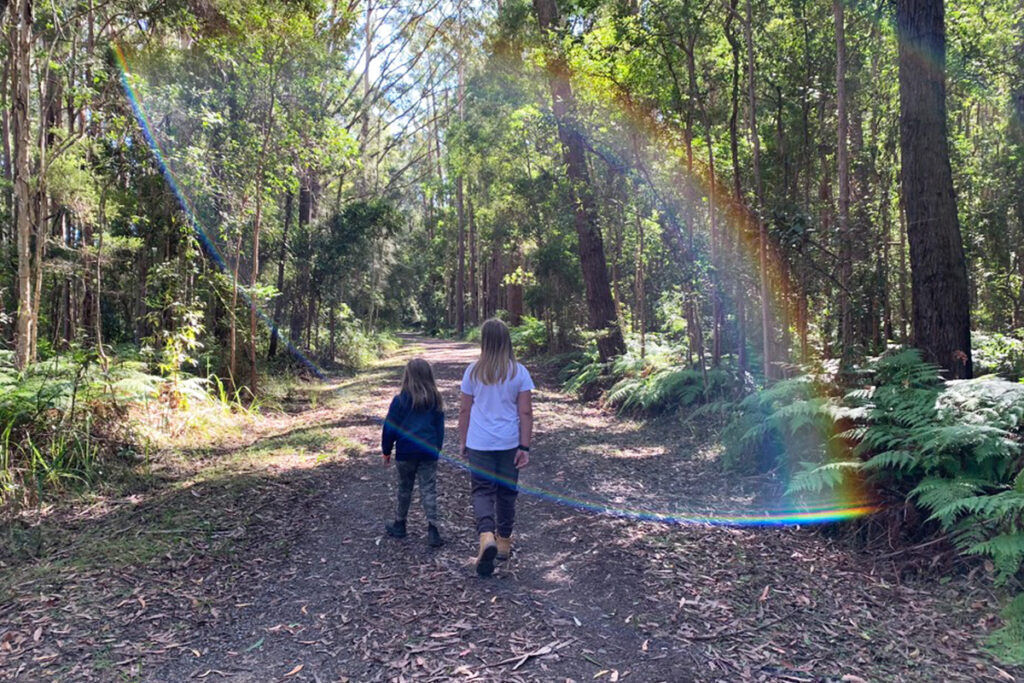
Will My Child Be Falling Behind If We Homeschool?
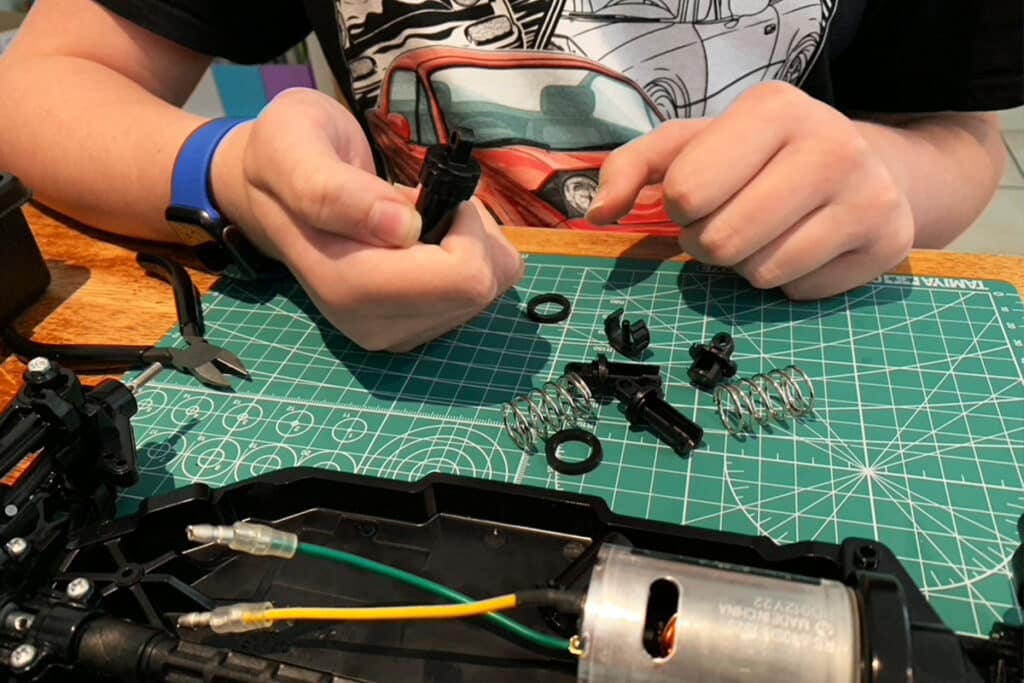
What If My Child Won’t Do Homeschooling?
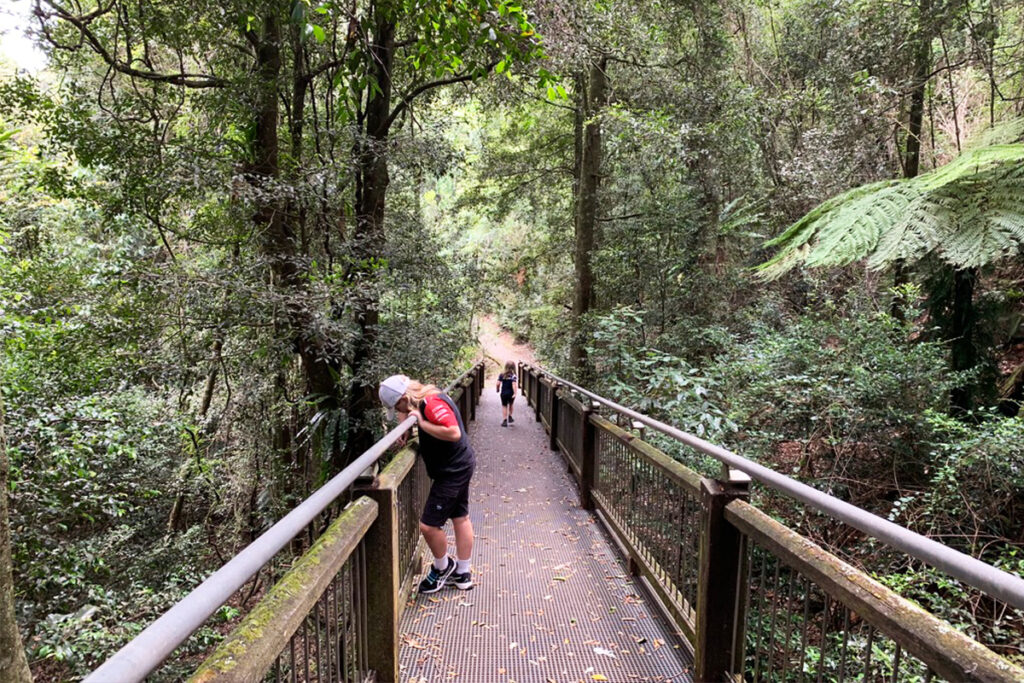
Is Homeschooling Hard? (What Actually Makes It Feel That Way)
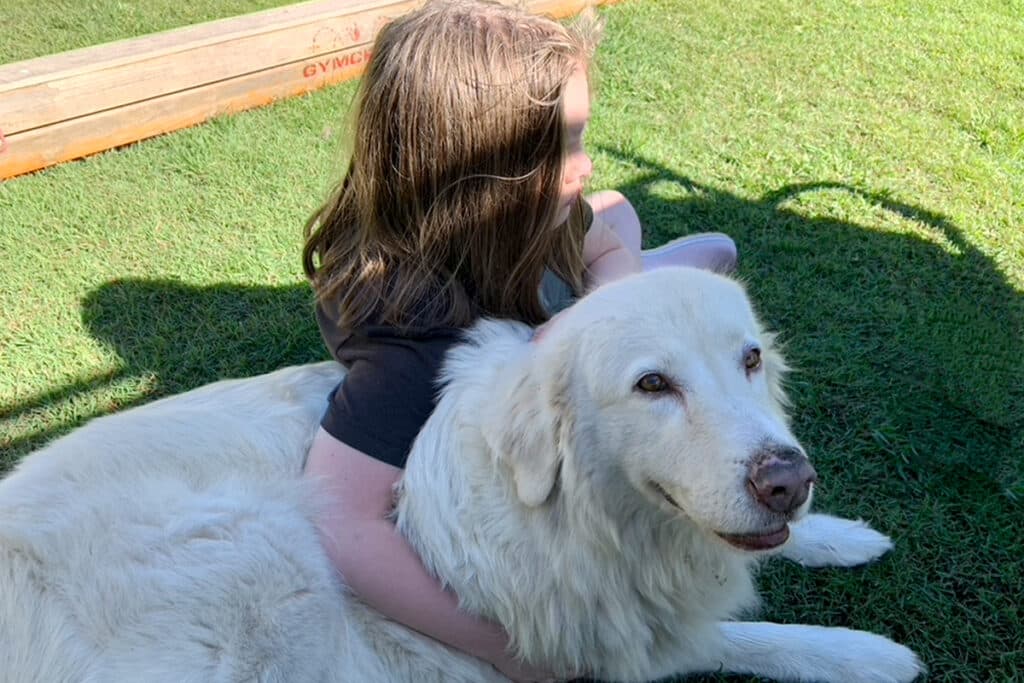
Will I Be Doing Enough If I Homeschool?
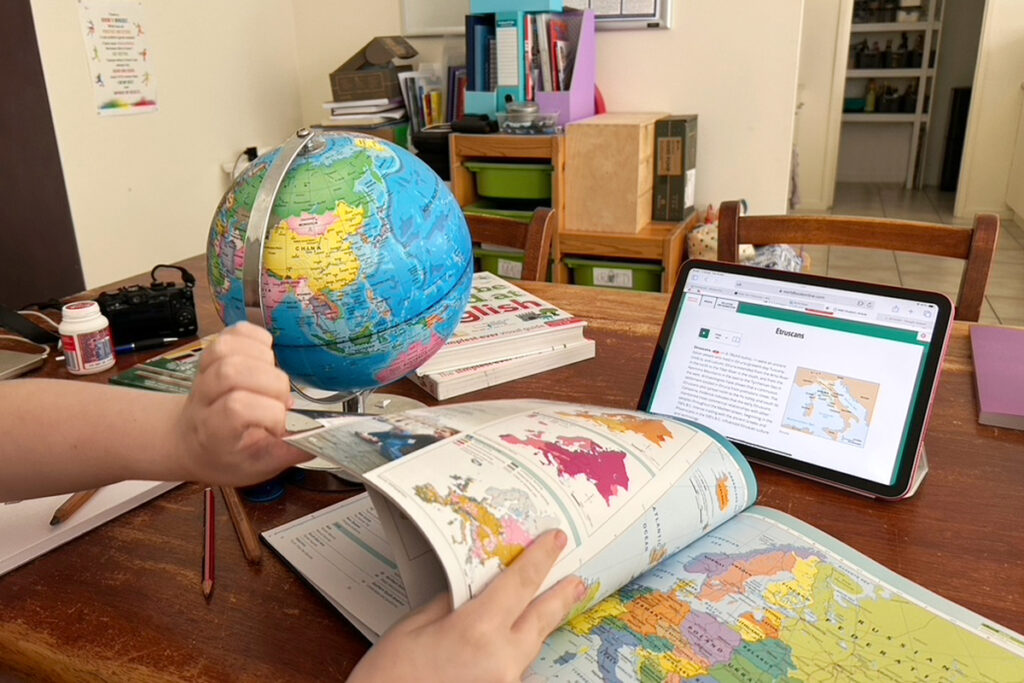
Education Options: Homeschool, Distance Ed, Flexi-School
Homeschooling Neurodivergent Kids: What I Wish I Knew Before We Started
Can You Homeschool a Child With PDA? (What It Can Look Like)
Does Homeschooling Help Neurodivergent Kids? (And When It Works Best)
Getting Started and Deschooling
Starting homeschooling can feel overwhelming, especially if things have already been hard for a while.
This section focuses on helping you begin gently – taking the pressure off, understanding deschooling, and making the first steps feel manageable. You’ll also find simple, practical guidance on what you actually need to do, without turning home into school.

What Is Deschooling (and Does My ND Child Need It)?
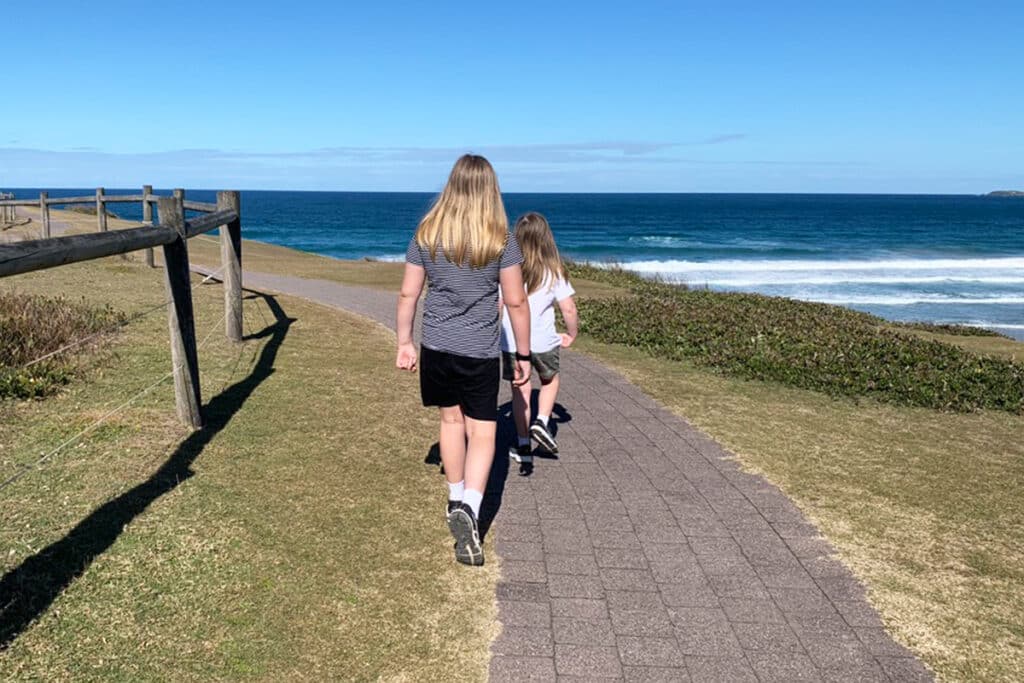
Why Starting Homeschooling Feels So Hard

What Do I Need to Homeschool My Child? (A Simple Starting Point)
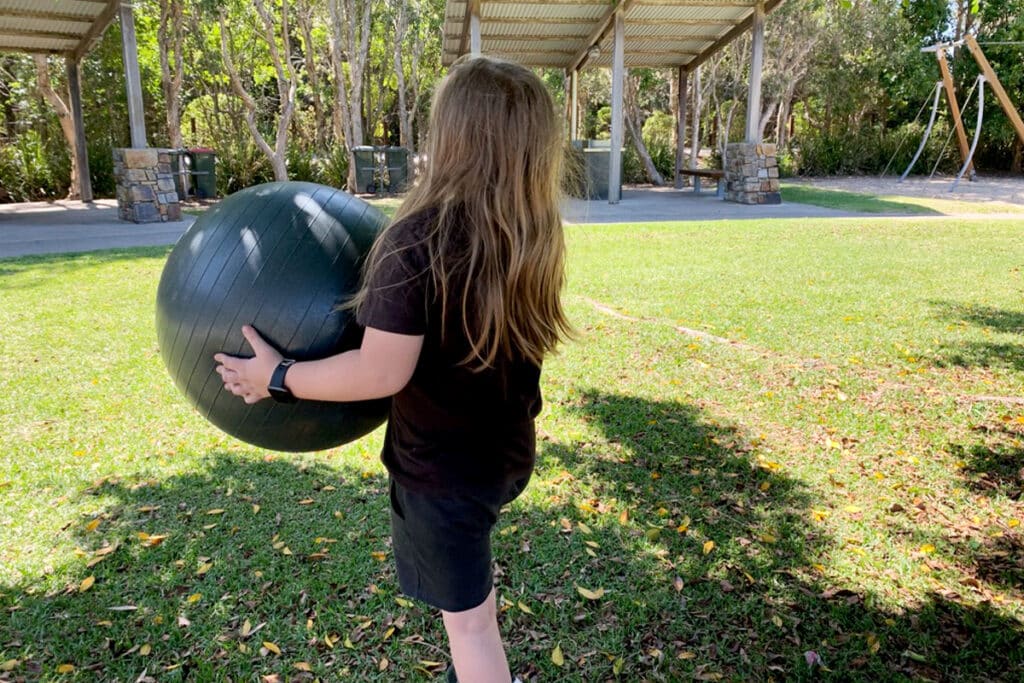
How to Start Homeschooling When You Feel Overwhelmed
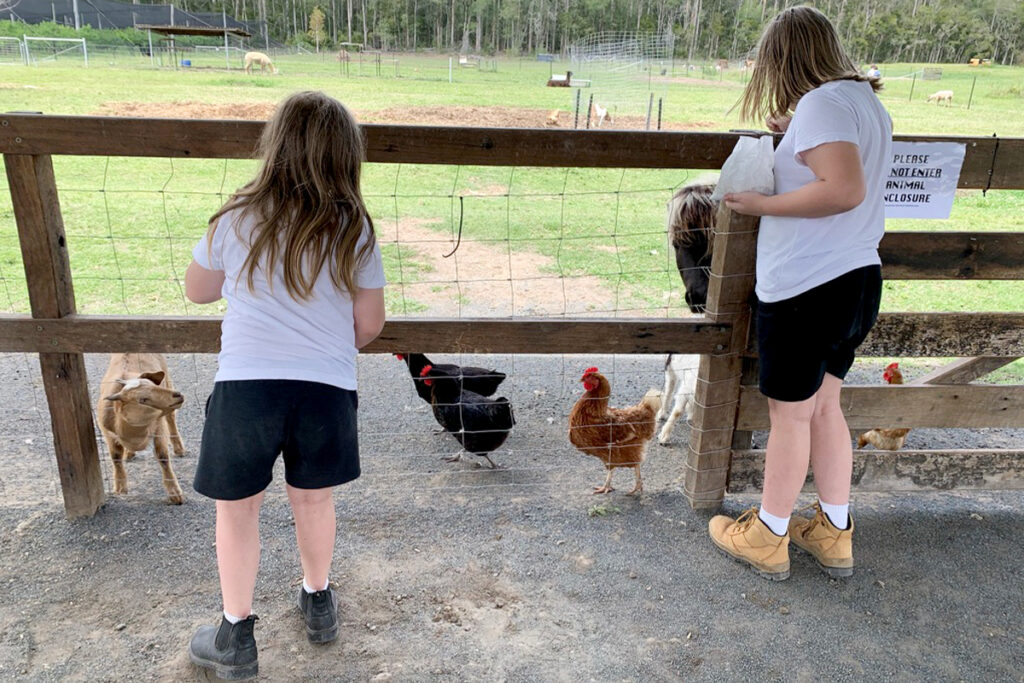
Homeschooling a Neurodivergent Child: What It Can Really Look Like
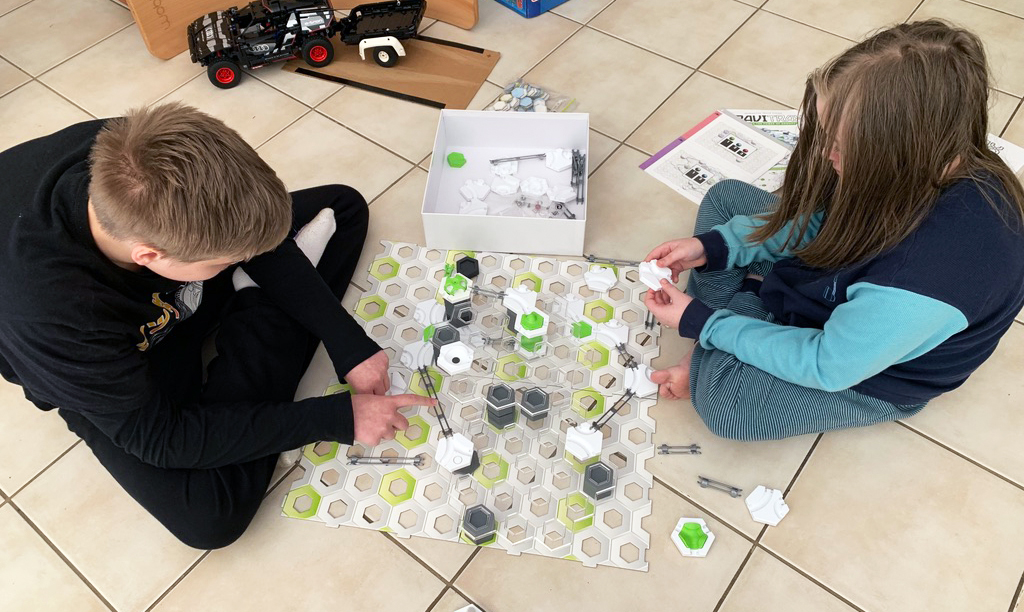
What Deschooling Really Looks Like
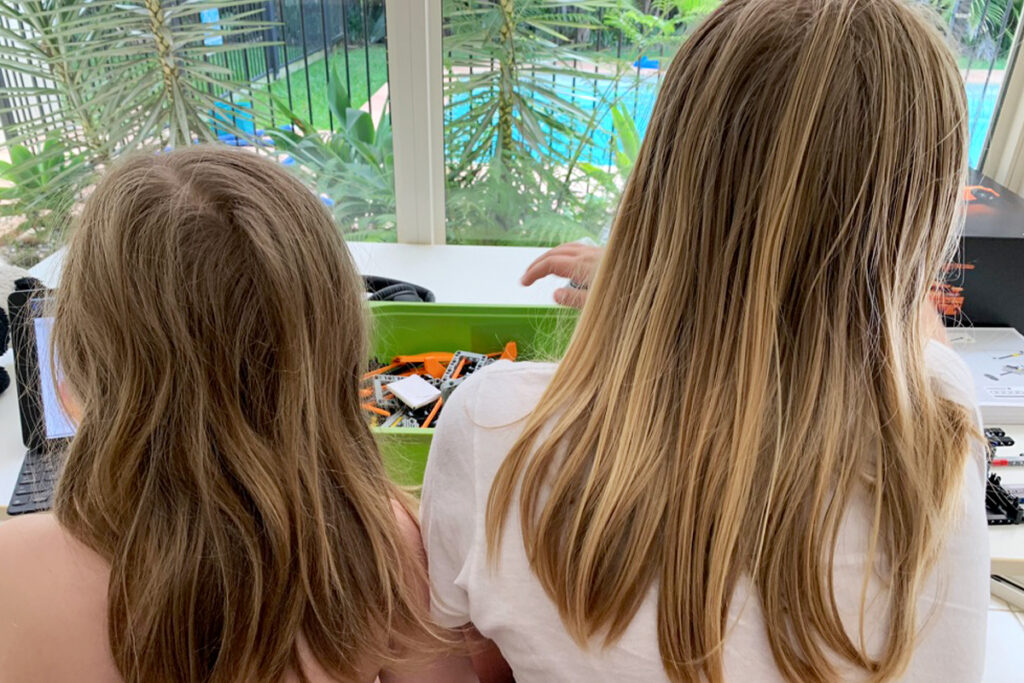
From Deschooling to Homeschooling: Gentle Transitions
Creating a Plan for Homeschooling in NSW (A Simple, Flexible Guide)
Daily Life and Rhythm
This is where neurodivergent homeschooling meets real life.
If starting the day feels hard, motivation is low, or everything feels like a struggle, you’re not doing it wrong. These articles help you understand why daily life can feel this way and offer gentler, more realistic ways to move through it.
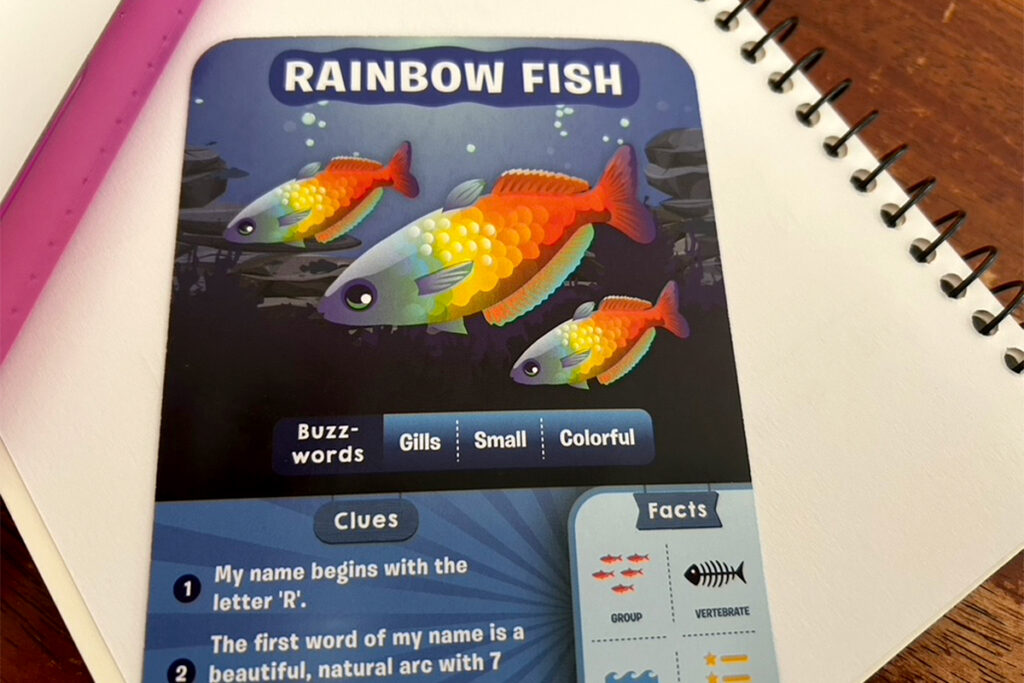
Are We Doing Enough Homeschooling? (A Common Question)
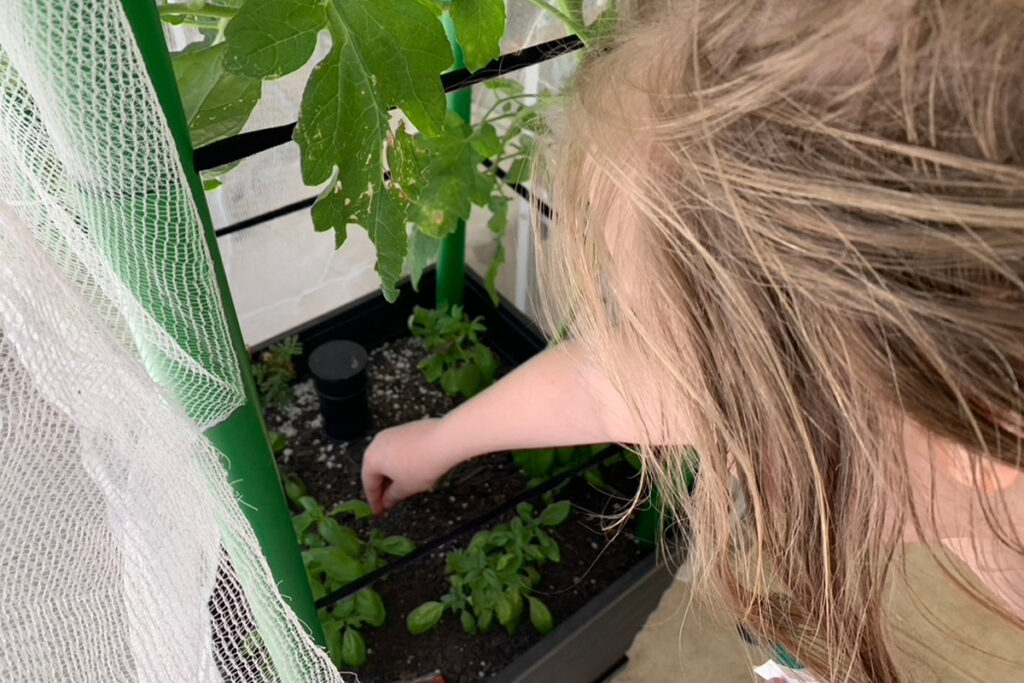
Creating a Gentle Homeschool Rhythm (ADHD & PDA Friendly)
Learning Without School
When learning doesn’t look like school, it’s easy to feel like you’re not doing enough.
This section helps you recognise what learning actually looks like for neurodivergent kids, how progress happens over time, and how to see and support it without pressure or constant second-guessing.