If you’re trying to work out what you need to homeschool your child, it can quickly start to feel like a long list of things you don’t have yet. In reality, most families need far less than they expect to begin.
“What do I need to homeschool my child” is a common question
If you’re at the point of asking what do I need to homeschool my child, there’s a good chance you’re already feeling the weight of getting started.
There’s a lot of information out there.
A lot of opinions.
A lot of different ways people say you should be doing this.
And it can quickly feel like you need to have everything ready before you begin.
I remember thinking exactly that – that we needed a curriculum, resources, some kind of structure we could follow so we didn’t get it wrong.
So we bought workbooks, gathered materials, tried to set things up properly.
Most of it didn’t get used.
Not because we didn’t care.
But because we didn’t yet understand what our child actually needed at that point.
Because starting homeschooling isn’t about having everything in place.
It’s about starting with what matters first.
A quick summary
If you’re wondering what you need to homeschool your child, the answer is often much simpler than it first appears.
You don’t need a full setup, a detailed plan, or everything figured out before you begin.
A few things to hold onto as you read:
If you’d like a steadier voice while you’re figuring this out
I share one email a week – calm reflections and gentle support for neurodivergent families navigating homeschooling, especially in the early stages where everything feels uncertain.
Sometimes it’s practical. Sometimes it’s just perspective. Always it’s steady.
Why this feels so complicated
When you start looking into homeschooling, it can quickly feel like there’s a lot you’re supposed to have in place.
Curriculum.
Schedules.
Supplies.
A plan for how everything will work.
And depending on where you look, that list can keep growing.
Different advice. Different approaches. Different opinions about what matters most.
It’s easy to come away feeling like you need to get everything organised before you can even begin.
But a lot of that complexity doesn’t come from what’s actually required.
It comes from trying to fit your situation into systems that were never designed for it.
Especially if you’re homeschooling because something hasn’t been working for your neurodivergent child.
In that case, starting isn’t about building something detailed straight away.
It’s about creating something that feels manageable.
The truth: you don’t need much to start
When you strip everything back, the list of what you actually need is much shorter than it first appears.
You don’t need a perfect setup.
You don’t need to have everything figured out.
And you don’t need to recreate school at home.
In fact, trying to do too much too early is one of the most common reasons things start to feel overwhelming.
When there are too many decisions, too many options, and too much pressure to get it right, it becomes harder to take the first step.
Research shows that when cognitive load is high, adding more choices can increase overwhelm and make it harder to move forward.
So instead of asking, what do I need to homeschool my child?
It can help to start with a different question:
What is the simplest way to begin from here?
What you actually need (keep it simple)
Most families can start homeschooling with just a few core things in place.
Not a full system – just a starting point.
A way to reduce pressure
Before anything else, it helps to look at what’s currently adding pressure.
Because if your child is already overwhelmed, adding more structure or expectations too quickly can make engagement harder, not easier.
Creating a lower-pressure environment – even temporarily — gives your child space to settle.
And that’s often what makes learning possible again.
Time and flexibility
Starting homeschooling doesn’t require a fixed schedule from day one.
In fact, many families find that trying to follow a strict routine early on creates more stress.
Having time to adjust, to slow things down, and to respond to how your child is actually doing is far more helpful at this stage.
A simple starting point
You don’t need a full plan.
You just need somewhere to begin.
That might be:
It doesn’t need to cover everything.
It just needs to be something you can build from.
Access to basic resources
You don’t need a full set of materials.
Most families begin with simple things they already have access to:
Learning doesn’t require a specialised setup to start.
A willingness to adjust
What works at the beginning won’t necessarily be what works long-term.
And that’s okay.
Homeschooling tends to evolve as you go – as you learn more about your child, their capacity, and what supports them best.
So one of the most useful things you can bring into this is flexibility.
What you don’t need (but might think you do)
This is often the part that brings the most relief.
Because many of the things people worry about at the beginning aren’t actually required.
You don’t need:
And you don’t need to recreate school at home.
Trying to replicate school is one of the quickest ways to bring the same pressure into your environment – especially for neurodivergent children.
When pressure increases, engagement often decreases.
So starting simpler is not a compromise.
It’s often what works best.
Do you need a curriculum?
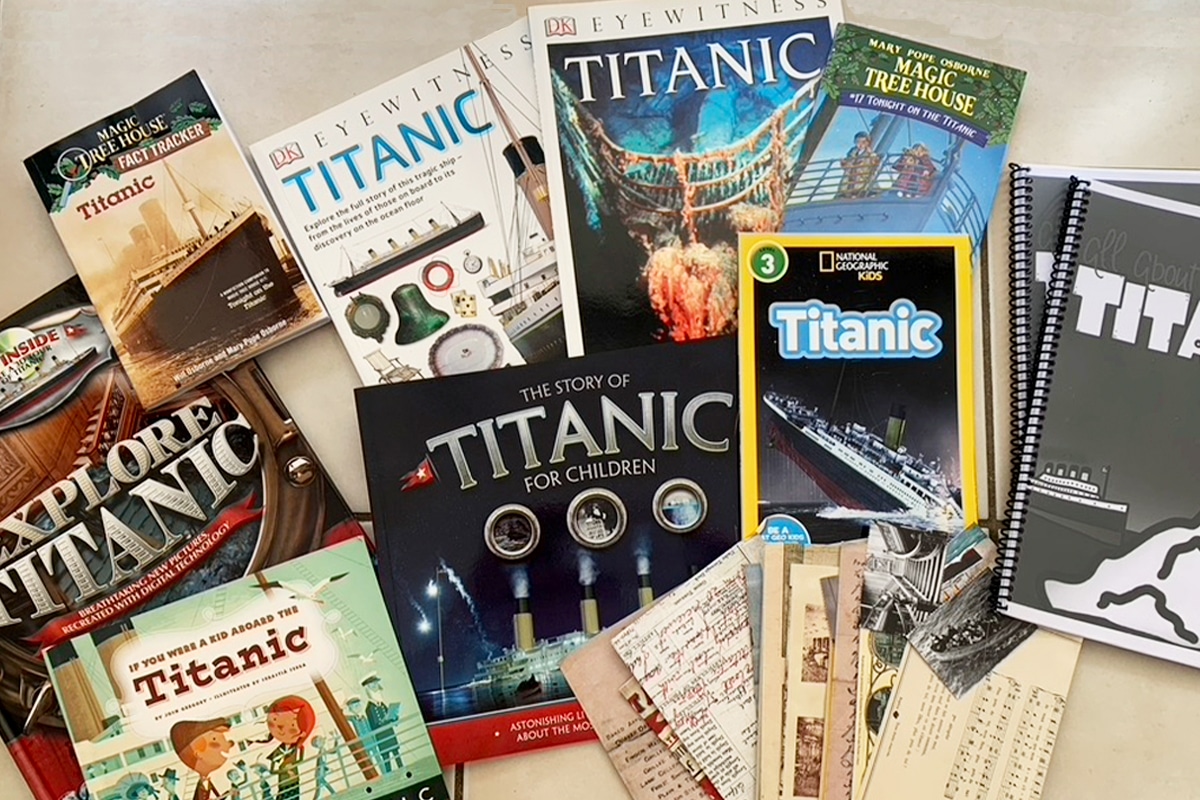
This is one of the most common questions when wondering what do I need to homeschool my child, showing that while it can seem like a lot, meaningful learning can start with just a few simple materials.
And the answer is:
Not necessarily – especially at the beginning.
Some families choose to use a curriculum later on.
Some use parts of one.
Some don’t use one at all.
What matters more is whether what you’re doing is working for your child.
Early on, many neurodivergent children benefit from:
Research into motivation shows that autonomy and a sense of competence support engagement far more effectively than rigid structure, especially in the early stages.
So if a curriculum feels helpful later, you can introduce it then.
But you don’t need it to begin.
What about legal requirements?
This is often where things can start to feel complicated again.
Requirements vary depending on where you live, and it can seem like there’s a lot to understand upfront.
But most families don’t need to have everything fully worked out before they begin.
In many cases, you’re simply showing that your child is being educated in a way that is appropriate for them.
That doesn’t mean replicating school.
It doesn’t mean following a strict curriculum.
And it doesn’t mean everything needs to look structured straight away.
If you’re in Australia, each state has its own process – and it can help to look at that separately once you feel a bit more settled.
For now, it’s enough to know that homeschooling doesn’t require perfection to begin.
What this can look like for neurodivergent kids
For neurodivergent children, the starting point often looks a little different.
There may be a greater need for:
This isn’t about doing less.
It’s about doing what actually works.
If your child has been overwhelmed, it can take time for their capacity to return.
And during that time, learning may not look structured or obvious.
That doesn’t mean it isn’t happening.
It means the conditions are still being rebuilt.
When those conditions improve – when your child feels safer, more settled, and more in control – engagement tends to follow.
A simple way to start
If everything still feels unclear, it can help to bring it back to something very simple.
You don’t need a full system.
You don’t need a perfect plan.
You just need a starting point.
That might look like:
From there, things start to build.
Not all at once.
But gradually, in a way that fits your child.
When it still feels like you need more
It’s very normal to feel like you’re missing something.
Like there’s something you should have in place before you can really begin.
That feeling usually comes from how we’ve been taught to think about learning.
That it needs to be structured. Planned. Complete.
But homeschooling doesn’t start fully formed.
It develops over time.
And most families figure things out step by step – not all at once.
So if it feels like you don’t have everything yet, that doesn’t mean you’re not ready.
It usually just means you’re at the beginning.
Frequently asked questions
What do I need to homeschool my child legally?
This depends on where you live.
In general, you’re showing that your child is receiving an appropriate education – not that you’re replicating school.
Each state or country will have its own process, which you can look into once you’re ready.
Do I need to buy curriculum to start homeschooling?
No.
Many families begin without a curriculum and introduce one later if it feels helpful.
What supplies do I need to homeschool?
Very little to begin with.
Books, everyday materials, and access to learning opportunities are usually enough to start.
Can I start homeschooling without a plan?
Yes.
Most families begin without a detailed plan and build one gradually as they understand what works for their child.
What if I don’t have everything yet?
You don’t need everything to begin.
Starting with what you have is often the best way to move forward.
A gentle next step
If you want help taking the pressure off and understanding what to focus on first, you can start with:
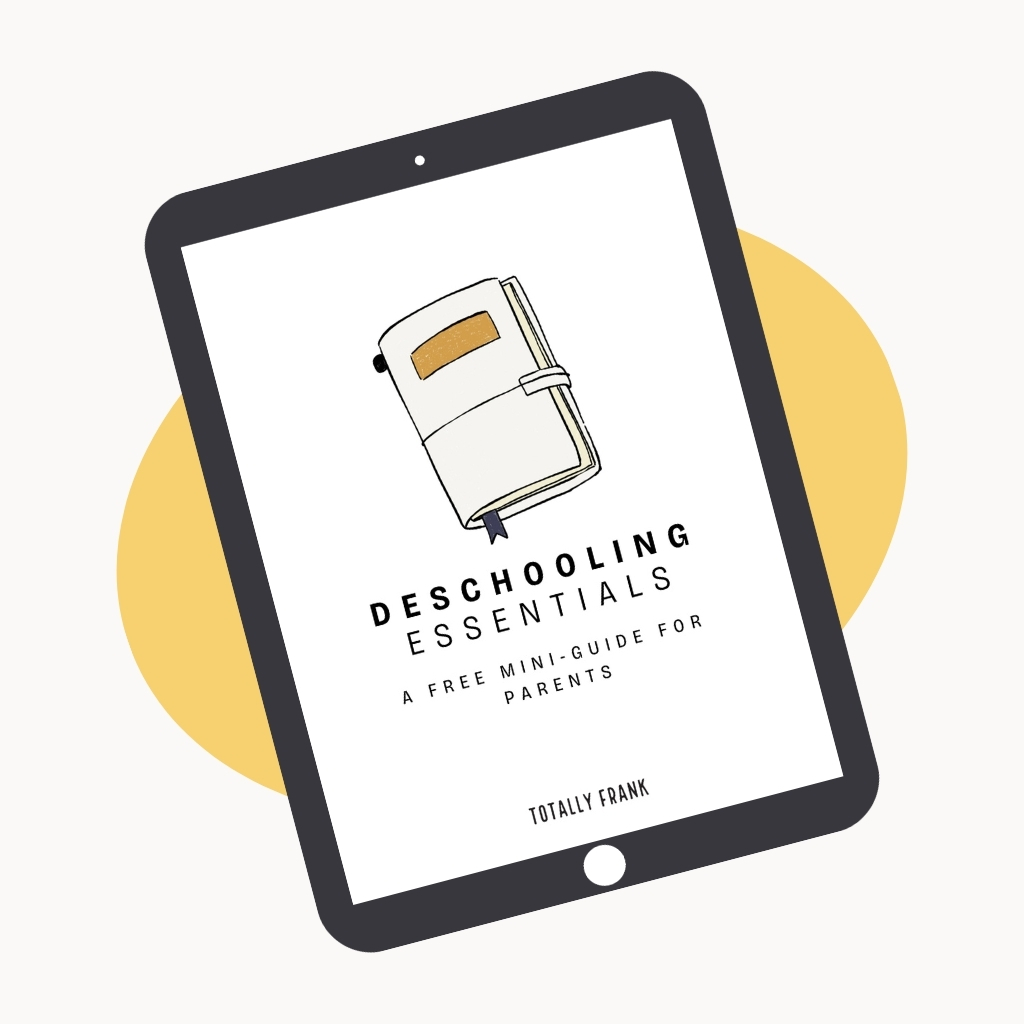
Deschooling Essentials – a free, simple guide to help you begin without overwhelm
It’s designed to help you:
You can explore it if and when it feels helpful:
Read next
How to Start Homeschooling When You Feel Overwhelmed
What Is Deschooling (and Does My Neurodivergent Child Need It?)
Why Starting Homeschooling Feels So Hard
Looking for other parents navigating this?
If you’re trying to figure out how to start homeschooling you’re not alone.
I run a small Facebook group for neurodivergent homeschooling families where parents share experiences, ask questions, and support each other through the messy middle.
No judgement. No pressure. Just people who understand..