Essential oils offer simple tools for emotional support, sleep, and focus. This guide explains the basics, safety, and easy ways to start using oils in everyday routines.
Essential oils are highly concentrated plant extracts that can support emotional regulation, sleep, focus, and daily routines. You don’t need to know everything to get started – just the basics. This Essential Oils 101 guide gives you a clear, practical foundation so you can use oils safely and confidently at home.
If you’re brand new, this is the perfect place to begin.
What Are Essential Oils?
Essential oils are aromatic compounds found in the leaves, flowers, roots, bark, and peels of plants. When we extract these compounds, we get a powerful, concentrated oil that carries the plant’s smell and therapeutic properties.
Essential oils have been part of human life for thousands of years. Across cultures and civilisations, people used plant extracts for healing, ritual, emotional support, spirituality, and daily life. Understanding this history helps us appreciate why essential oils continue to play such a powerful role in wellbeing today.
Many families (ours included) use essential oils to support:
Essential oils won’t “fix” everything – but they can become a gentle, predictable tool in your family’s emotional toolkit.
How to Use Essential Oils
There are three main ways to use essential oils: aromatically, topically, and internally. You don’t need to use all three – just choose the methods that feel simple and safe for your family.
1. Aromatic Use (Breathing Them In)
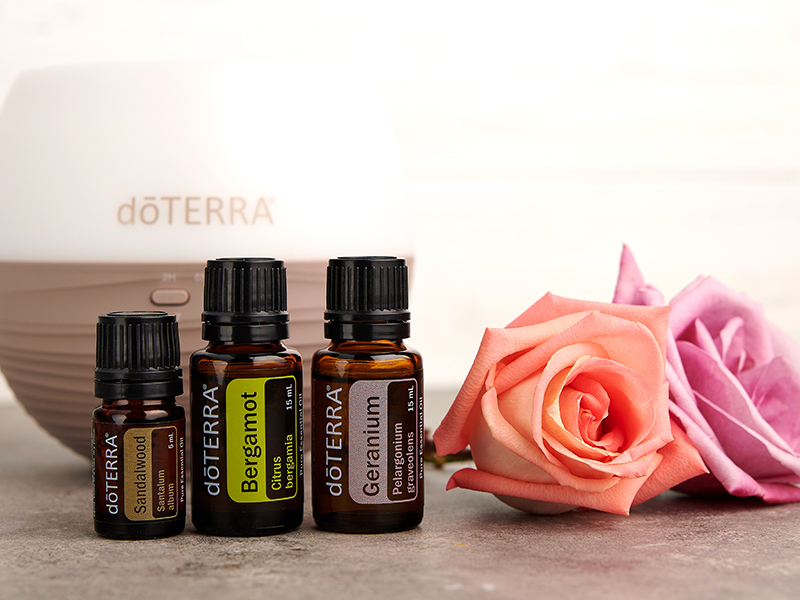
This is the easiest place to start. Aromatic use includes:
Aromatic use is especially powerful for emotional support because of how closely scent and the nervous system are connected.
2. Topical Use (On the Skin)
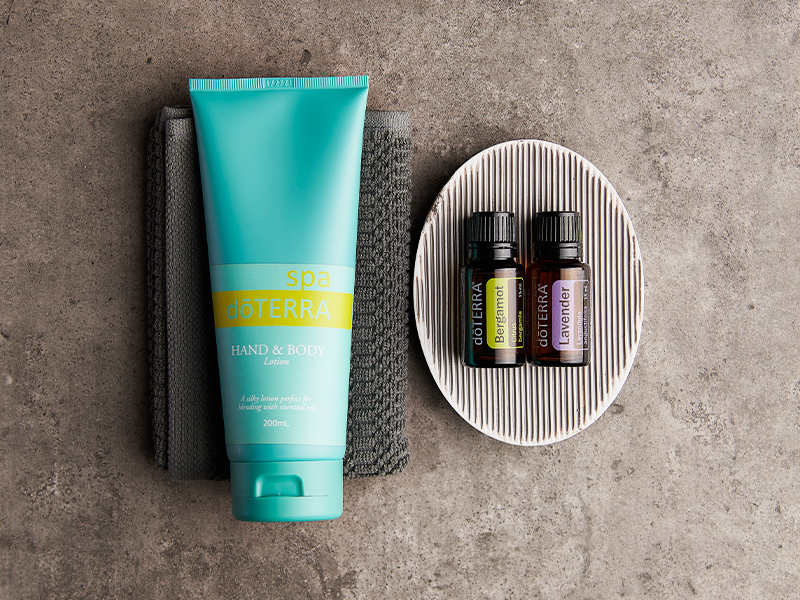
Topical use is simple and effective, especially when you want targeted support – for example:
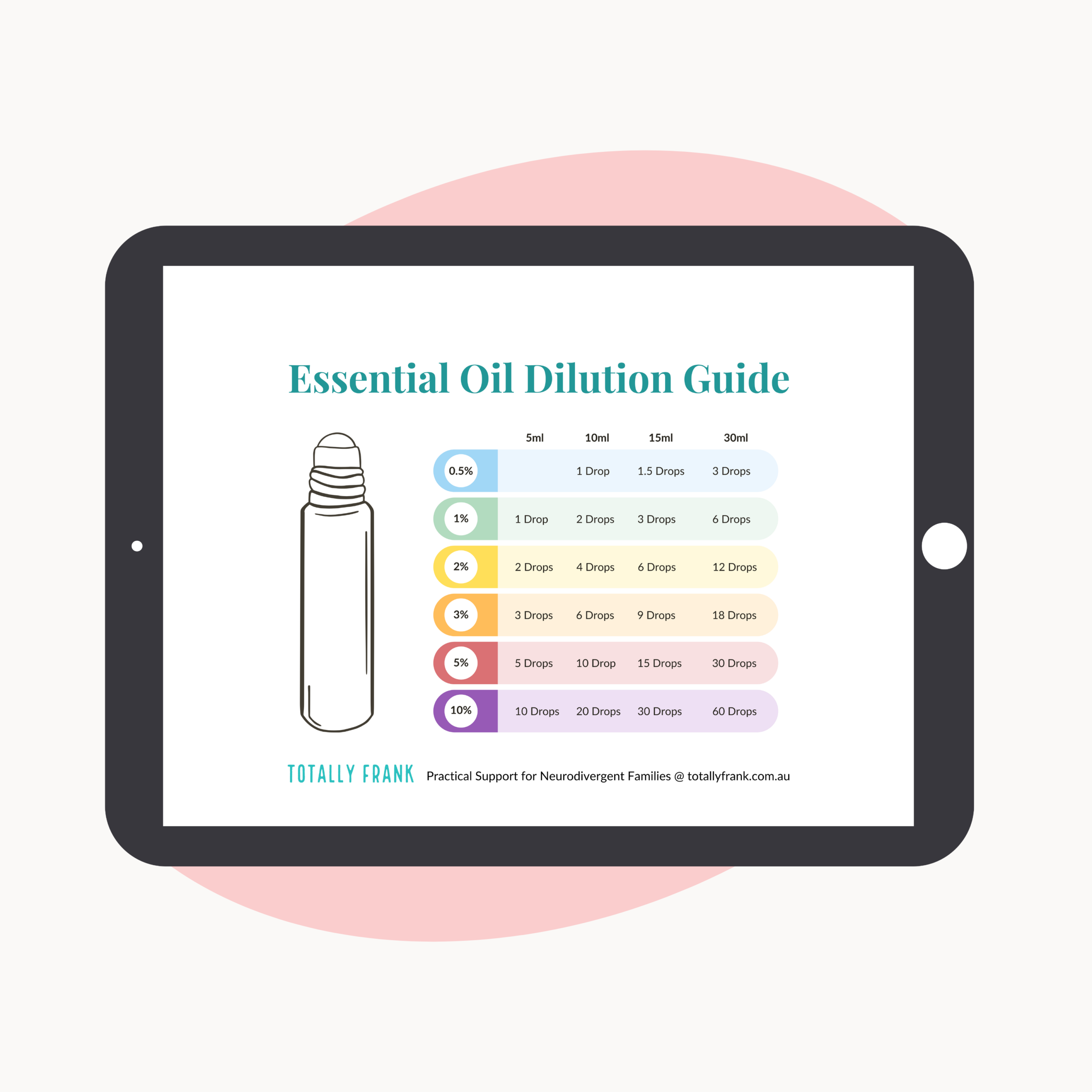
Always dilute with a carrier oil (like Fractionated Coconut Oil), especially for kids or sensitive skin.
Start with less, go slow, and watch your child’s skin response.
3. Internal Use (With Care & Correct Oils Only)
Internal use can feel confusing, and you’ll find mixed opinions about it.
Here’s the simplest rule:
For many families, aromatic and topical use is more than enough. Internal use is optional and not required for emotional support.
Top Benefits of Essential Oils
1. Emotional Regulation
Oils like Lavender, Bergamot, Ylang Ylang, and Frankincense can create a grounding, calming environment – especially helpful for autistic, ADHD, and PDA kids.
2. Better Sleep
Lavender, Cedarwood, Roman Chamomile, and Bergamot promote relaxation and support bedtime routines.
3. Focus & Mental Clarity
Peppermint, Rosemary, Lemon, and Supermint (my fave!) can support attention and mental energy.
4. Immune & Airway Support
Tea Tree, Eucalyptus, and On Guard can help support immune wellness and freshen the air.
5. Everyday Wellbeing
Oils can be used in gentle routines for tension, head support, hormones, digestive comfort, and more.
Safety First
Essential oils are powerful, and every oil behaves differently. They’re safe when used with care, dilution, and the right guidance – especially with children.
Key guidelines:
Want to Try the Oils First?
Curious but not ready to buy anything yet? You can try essential oils completely free.
I offer complimentary essential oil samples to help you get started – and to make sure you feel confident before choosing anything.