Homeschool learning doesn’t always look like worksheets, sitting still, or neat written output – especially for neurodivergent kids. This guide will help you support learning through better access, gentle scaffolding, and flexible ways to show progress, without forcing your child into one “style.”
Homeschool Learning Styles For Neurodivergent Homeschoolers
School can train us to believe there’s one “right” way to learn – and if your child can’t learn that way, they’re the problem.
So if you’re searching homeschool learning styles, you’re probably looking for something calmer than guesswork. A way to support learning without constant battles, tears, shutdowns, or that sinking feeling that you’re “doing it wrong”.
And if you’re homeschooling a neurodivergent child, you’ve likely seen it already: your child can be brilliant in one format and completely stuck in another. Not because they’re inconsistent. Because learning access changes.
Here’s the gentle truth:
The old “learning styles” idea (that kids are one type – visual, auditory, kinaesthetic) doesn’t hold up in a reliable, one-size-fits-all way. But your instinct is still valid – kids do have real preferences, strengths, sensory needs, and support needs that affect how learning lands.
On this page, I’ll show you how to support different ways of learning at home using a simple framework – Access → Scaffold → Expression – so homeschool learning feels more doable without boxing your child into a label.
A Quick Summary
If you’re searching homeschool learning styles, the most helpful shift is this:
Instead of trying to find your child’s one “style”, focus on learning access.
In other words: same learning goal, different pathway.
If You’re Searching “Homeschool Learning Styles,” Here’s The Truth (Gently)
The reason “learning styles” is so popular is simple: it promises certainty. Find the style, unlock the child, fixed. But most neurodivergent families don’t need a label. They need a practical way to adjust learning so it’s reachable.
A more accurate way to think about it is this:
So instead of “What type of learner is my child?”, try:
“What conditions help learning happen today?”
What To Use Instead Of Learning Styles
Here’s the simple framework you can keep coming back to:
Access → Scaffold → Expression
Learn a calm framework for choosing a curriculum.
This keeps you focused on support, not stereotypes.
What Changes Learning Access (Especially For Neurodivergent Kids)
This is the part that can make homeschool learning feel confusing. One day your child can explain something brilliantly. The next day they can’t write a sentence or “remember” what they know.
That doesn’t automatically mean they’re regressing. It often means the load has changed. Stress can affect attention and learning readiness, and it can look different in different kids. Stress can also shrink working memory – the brain’s “workbench” for holding and using information.
In real homeschool life, that shows up as:
Executive function (planning, focus, task switching, starting) can also dip when stress rises. That’s why the same work can feel doable one day and impossible the next.
So when things get stuck, it’s worth checking:
Access First: Six Ways To Offer Learning Without Getting Stuck
These are the “homeschool learning styles” supports that actually help. Not because your child is one type of learner – but because you’re giving them more than one way in.
1) Offer Multiple Inputs (Not One Format)
Try:
Same concept. Different doorway.
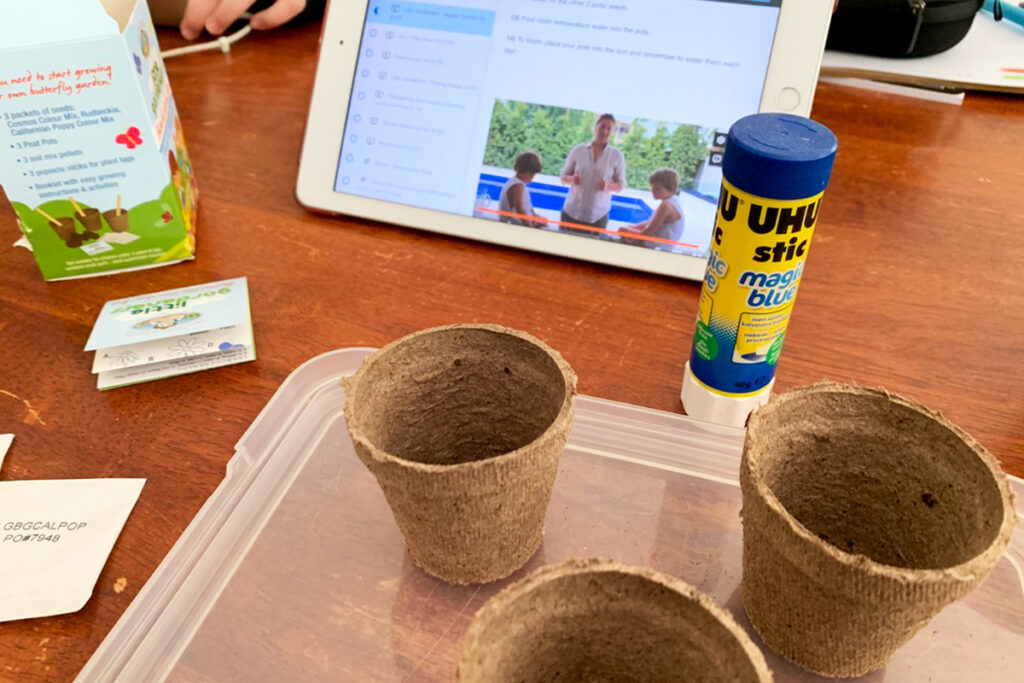
2) Change The Environment (Not The Goal)
Small environment shifts can change everything:
3) Shrink The Entry Step
A lot of kids don’t resist learning. They resist starting.
Try:
4) Reduce Transitions And Time Pressure
For many neurodivergent kids, constant switching drains capacity. Helpful swaps:
5) Use Interests As The Entry Point
Interest isn’t a distraction. It’s often the bridge. Try turning an interest into a unit study.
If your child is obsessed with:

6) Co-Regulation Counts As Support
Some kids can’t access learning without connection first. Co-regulation supports include:
Scaffolding That Helps Without Taking Over
Scaffolding is the difference between:
“Here, do this”
and
“Here’s how to make this doable.”
And scaffolding is not cheating. It’s support.
Executive function load can drop when stress rises, and external supports (visual steps, written cues) can make tasks more accessible).
Scaffolds That Reduce Load
Try:
Fading Support (So Skills Grow Over Time)
The goal isn’t to scaffold forever. The goal is to scaffold until confidence and capacity build.
A simple fade pattern:
Output Flexibility: Different Ways To Show Learning
This is where so many neurodivergent kids get stuck.
They can think it.
They can say it.
They can build it.
But they can’t write it on demand – especially under pressure.
So we widen the output options.
Alternatives To Written Work (That Still Count)
Same Learning Goal, Different Output (Examples)
Reading Comprehension
Science Concept
History Learning
Maths Reasoning
A Simple Weekly Rhythm For Supporting Different Ways Of Learning
You don’t need a timetable to support different ways of learning. A gentle rhythm is often enough:
Explore → Practise → Create/Share (Optional)
If Your Child Has ADHD Or Autism (Examples Only)
This isn’t about boxing kids in. It’s about common access patterns.
ADHD (often helped by):
Autism (often helped by):
Common Traps (And Better Swaps)
Trap: forcing one format
Swap: offer two formats
Trap: “they’re a visual learner so…”
Swap: change the conditions and check access
Trap: worksheets = proof
Swap: flexible outputs that still show thinking
Trap: pushing through overload
Swap: reduce load, scaffold, return later
Frequently Asked Questions
Do Homeschool Learning Styles Really Matter?
Not as fixed categories. What matters more is learning access: stress level, sensory needs, support, and output flexibility.
What Are The Best Homeschool Learning Styles For Neurodivergent Kids?
Rather than assigning a “style”, aim to offer multiple inputs and flexible outputs – so learning is reachable more often.
What If My Child Can Talk It But Can’t Write It?
That’s common. Writing can be a higher-load task (planning, working memory, fine motor, sequencing). Start with oral output and scaffold writing slowly.
What If My Child Only Learns Through Hands-On Activities?
Hands-on learning is real learning. Use it as the entry point, then add small amounts of reading, maths, or writing supports around it.
How Do I Help My Child Start Work Without Shutdowns?
Shrink the entry step, reduce time pressure, and start together. If stress is high, prioritise regulation first – access comes before output.
How Do I Know Learning Is Happening Without Worksheets?
Look for thinking, connecting ideas, practising skills, solving problems, creating, communicating, and building independence. Those are learning behaviours.
How Do I Track Progress With Flexible Outputs?
You can capture learning through photos, short notes, and quick weekly reflections.