If your child has Pathological Demand Avoidance (PDA), even gentle suggestions can feel like pressure. So is homeschooling even realistic? This guide explores what demand avoidance means and how learning at home can work – without recreating school.
A calmer way to homeschool with demand avoidance
If you’re parenting a child with PDA, you already know how this feels.
Even the gentlest suggestion can land like pressure.
Even something “fun” can feel like a demand.
And once it tips into threat, the whole day can turn.
So when people say, “You could just homeschool,” it can feel almost impossible.
How do you homeschool a child with pathological demand avoidance when being told what to do is the trigger?
This page is here to help you slow it down and get a clearer lens – not a perfect plan.
We’ll cover:
You don’t have to decide everything today.
You just need a steadier starting point.
A Quick Summary
If you’re still in the decision swirl
What is Pathological Demand Avoidance (PDA)?
PDA – Pathological Demand Avoidance – is a term many families use to describe a profile where everyday demands trigger a strong threat response.
The key word is perceived.
A demand isn’t just an instruction like “do your maths.”
It can also be:
From the outside, it can look like avoidance, refusal, control, aggression, shutdown, or constant negotiation.
From the inside, it often looks like nervous system protection.
Demand avoidance in autism – why it can look like “avoidance” from the outside
People search for things like “autistic avoidance” because the behaviour often reads as pure avoidance.
But for many autistic kids, what looks like avoidance is a survival response to overwhelm – sensory load, social load, demand load, performance pressure.
The question isn’t: “How do I make them comply?”
It’s: “What is this demand costing their nervous system?”
Demand avoidance and ADHD – overlap without oversimplifying
“ADHD avoidance” is another common search term, and it can mean a lot of things.
With ADHD, avoidance is often tied to executive function load: task initiation, working memory, time blindness, overwhelm, shame, and “I can’t start” paralysis.
With a PDA profile, the avoidance may centre more around perceived demand and loss of autonomy.
Some kids have both.
So rather than getting stuck in labels, we focus on what helps:
Why the language can change over time
Many families move through different explanations over the years.
Anxiety. Behaviour. Autism. ADHD. Then eventually “demand avoidance” or “PDA profile.”
Neurodivergence overlaps. Contexts change behaviour. And there’s still a lot we don’t fully understand yet.
If the language has shifted for you, it doesn’t mean you imagined what you were seeing.
It usually means you’re refining your lens.
Can you homeschool a child with pathological demand avoidance (PDA)?
Yes – sometimes.
But not if homeschooling means recreating school at home.
If your mental picture of homeschooling a child with pathological demand avoidance is:
…that’s not surprising if your body says nope.
PDA homeschooling tends to work best when it reduces:
And increases:
What “possible” actually looks like
Homeschooling with PDA often looks like:
Possible doesn’t mean tidy.
It means safer.
When homeschooling might not be possible (yet)
There are seasons where “homeschooling” is technically happening, but the priority is:
That doesn’t mean never.
It can mean: not yet, not like that, not alone.
Why homeschooling can support demand-avoidant kids (when it’s done gently)
For many PDA kids, the school environment is a constant demand stack: transitions, compliance, evaluation, sensory load, social pressure, and being under someone else’s control all day.
Homeschooling can reduce those layers – which lowers threat.
It can also support the three things many neurodivergent kids need in order to access learning:
A large meta-analysis of student motivation found that when learners feel competent, autonomous, and connected, they’re more likely to show healthier, self-driven motivation – with competence and autonomy especially strong drivers.
A broader meta-review of Self-Determination Theory (drawing on many meta-analyses across domains) also supports this basic principle: autonomy-supportive environments are linked with better wellbeing, persistence, and engagement than highly controlling ones.
And in a 2024 homeschooling meta-analysis, home education across included studies was linked with higher learning motivation and engagement than conventional schooling, often attributed to flexible pacing and individualised support – while noting that the broader evidence base is still methodologically uneven.
None of this means homeschooling is “better for everyone.”
It simply supports what many families notice:
When you reduce threat and increase agency, learning becomes easier to access.
Flexibility lowers threat
Homeschooling gives you options like:
Customisable learning (without pressure)
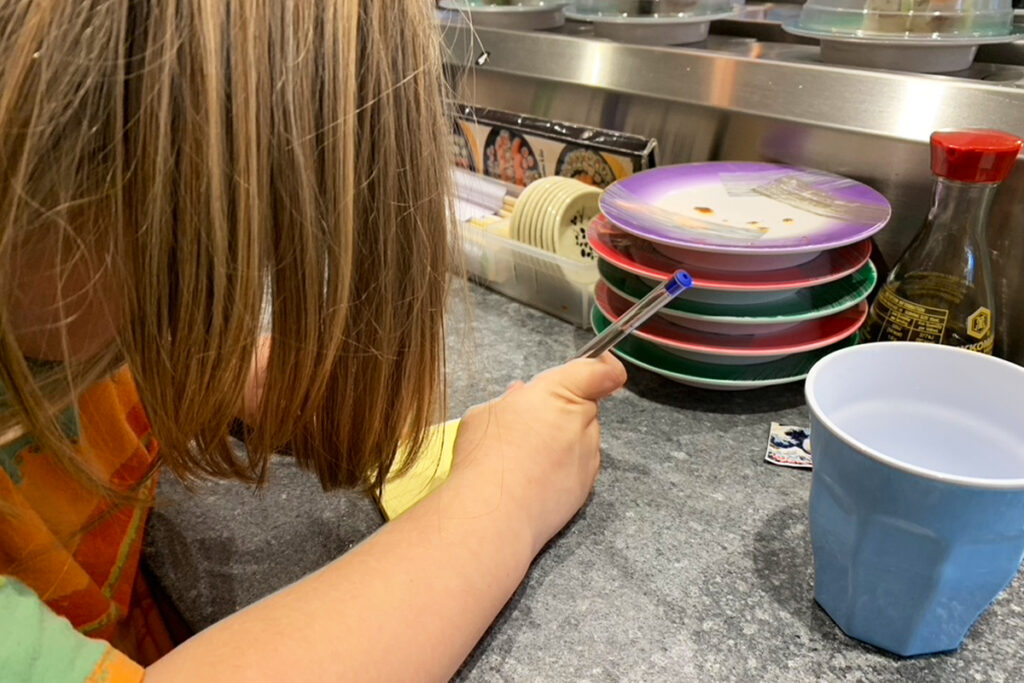
One of my boys once went through a phase of obsessing over sushi train pricing.
So we used it.
We counted plates.
Calculated totals.
Compared colour categories.
Estimated the bill before it arrived.
It wasn’t a worksheet.
It was maths.
And because it didn’t start as a demand, it stayed accessible.
Safety protects learning access
When kids don’t have to mask all day, and aren’t constantly being evaluated, the nervous system has more room for curiosity.
Curiosity is where learning grows.
What PDA homeschooling can look like in real life
This is where many parents panic, because the day doesn’t look like school.
A “good day” might include:
It might not include handwriting practice.
That doesn’t mean learning isn’t happening.
It means the learning is coming through safe channels.
PDA homeschooling strategies (that aren’t behaviour management)
These are not “get them to comply” strategies.
They’re “reduce threat so learning becomes possible” strategies.
Reduce demand load before you add learning
Look at:
When the nervous system is already loaded, even small demands can tip into threat.
Collaborate instead of instruct
Try:
Real choice matters.
Use indirect language (invitations, not commands)
Instead of: “Do your writing.”
Try: “I’m curious what you’d add to that story if you wanted to.”
Build anchors, not timetables
Anchors are predictable touchpoints without a full schedule.
Examples:
Repair matters more than consistency
You will have ruptures.
Repair protects trust, which protects learning.
“But am I capable of homeschooling a PDA child?”
You don’t need to be a teacher.
You need:
If everything feels hard, reduce first.
Learning can expand later.
Burnout is harder to recover from.
What about curriculum?
Curriculum can be helpful.
But curriculum too early can become just another demand.
Signs you might be ready for more structure:
When you do explore curriculum, look for:
Getting started (a gentle first week)
Not planning everything in advance.
Not forcing a timetable.
Just noticing what already worked.
That’s often where confidence rebuilds.
Frequently Asked Questions
What is pathological demand avoidance (PDA)?
PDA is a term used by many families (and some clinicians) to describe a demand-avoidant profile where everyday demands trigger a threat response. Language and recognition varies by place and practitioner.
Can you homeschool a child with PDA?
Sometimes, yes – especially when homeschooling reduces demand load and supports autonomy. It usually doesn’t work when it recreates school pressure at home.
Is demand avoidance an autism thing or an ADHD thing?
It can show up in both, and the drivers can be different. The practical focus is: what reduces distress and increases safety?
Do I need a curriculum to homeschool a PDA child?
Not at the start. Many families begin with safety, rhythm, and interests first – then add structure later as capacity grows.
What if my child refuses everything at home too?
Start smaller. Reduce the number of asks. Focus on connection and one safe anchor before adding expectation.
A gentle next step (if you want one)
If you’d like a steadier voice in your inbox while you’re homeschooling with demand avoidance
I send one email a week – honest reflections, gentle reframes, and lived experience from life with neurodivergent homeschoolers.
Sometimes it’s practical. Sometimes it’s just perspective. Always it’s calm, realistic, and capacity-aware.