Is Homeschooling Good for Autism? A Gentle, Evidence-Based Guide

If school feels like a daily battle, this gentle guide helps you explore whether homeschooling is good for autism while offering clear steps for deschooling, rebuilding trust in learning, and creating a calmer, more supportive environment at home.

If you are here, there is a good chance traditional schooling has not been the smooth ride you hoped for. Maybe your child is autistic, ADHD, PDA, dyslexic or simply struggling to cope with school expectations. You have seen the refusals, the anxiety, and the exhaustion that comes from pushing through a system that was not built with your child in mind. And now you are wondering if homeschooling might be a better path.

The truth is, homeschooling can offer calm, flexibility and genuine support for neurodivergent kids. It does not have to look like school at home, and it does not have to add pressure to your already full plate. The beauty of homeschooling is that it adapts to your child. Some families thrive with unschooling. Others lean on online programs, hands-on kits or project-based learning. Our family uses unit studies as a foundation. We still experiment and adjust as we go.

We have lived through school refusal, burnout and that paralysing doubt about whether we were doing enough. Over time, we kept what worked, let go of what did not, and discovered that there is no one-size-fits-all approach. There is only what works for your family right now.
When you give yourself permission to trial, pivot and pause, everything softens. Learning feels lighter. Resistance eases. And connection becomes the foundation for growth.

This guide will walk you through the early steps: why school often does not work for neurodivergent children, why homeschooling can be such a supportive alternative, how deschooling helps the transition, and what learning can look like when it finally fits your child.

If you’re already leaning toward homeschooling, my Deschooling Essentials: A Free Mini Guide for Parents can help you get started without overwhelm.

👉 Grab it here: Deschooling Essentials: A Free Mini Guide for Parents

Why Autistic and ADHD Kids Struggle in Traditional Schooling

For many neurodivergent children, school is not just challenging. It can feel impossible. Families often describe school as the most exhausting part of their child’s life – too much noise, too little flexibility and not enough understanding.

Rigid Expectations Create Daily Strain

Traditional schools rely on expectations that do not align with how many neurodivergent kids learn or function. These include:

  • sitting still for long periods
  • coping with transitions
  • working within strict routines
  • masking feelings to meet behavioural rules
  • managing sensory overload

These demands often lead to overwhelm, fatigue and distress, rather than learning.

What the Research Shows

  • School refusal is significantly higher among neurodivergent children.
  • Transitions cause heightened stress, especially for autistic students.
  • Sensory environments like buzzing lights, noisy rooms and crowded spaces trigger overload.
  • Bullying and exclusion are more common for autistic and ADHD learners.

So it is no surprise many families begin to wonder: is homeschooling good for autism, and could it be a healthier, more supportive option?

Why Homeschooling Works for Autistic and ADHD Learners

Homeschooling does not remove challenges completely, but it removes many of the barriers that make learning difficult in school environments. Instead of trying to fit your child into a rigid mould, you can create a learning space that flexes with them.

Learning in Ways That Align With the Brain


Neurodivergent children often learn best when they can move, explore, follow interests, build, create, question or dive into details. Homeschooling makes this possible in a way traditional classrooms cannot.

This might include:

  • allowing movement, fidgeting or doodling while learning
  • breaking lessons into shorter bursts
  • using calming or sensory-friendly spaces
  • building learning around passions
  • following natural rhythms rather than a timetable

These small shifts can transform not only how your child learns, but how they feel about learning.

How Autistic Kids Learn Best: Supporting Different Learning Styles at Home

One of the most common questions parents ask is whether their child has a specific learning style – visual, verbal, kinesthetic or otherwise. For autistic and ADHD learners, the answer is almost always the same: they do not fit a single type.

Most neurodivergent kids are a blend of:

  • visual
  • kinesthetic
  • verbal
  • hands-on
  • pattern-focused
  • special-interest driven

This is why school structures that rely on one form of teaching often fall apart for them. Homeschooling, however, allows you to layer learning styles so your child has multiple entry points.

What Research Tells Us About Neurodivergent Learning

A cross-institutional study on neurodiverse learning found that autistic and ADHD students learned best through multimodal, flexible, real-world teaching. They did not benefit from a single matched learning style. What helped most was a combination of:

  • visual supports
  • hands-on activities
  • clear verbal explanation
  • real-world tasks
  • flexible pacing

Their engagement increased when lessons were layered, not limited.

This is one of the key reasons homeschooling is so well-suited to autistic learners. You can adapt what you teach and how you teach it, every single day.

Why Deschooling Matters When You Leave the School System

When families first begin homeschooling, the instinct is often to recreate school at home. But if school did not work for your neurodivergent child, a home version of the same thing will likely fail too.

Deschooling creates the space to reset, recover and rebuild trust in learning.

What Deschooling Really Means


Deschooling is a transition period where you and your child:

  • rest and decompress
  • explore without pressure
  • reconnect through shared experiences
  • rediscover what learning looks like outside school expectations

Some describe it simply as recovering from school.

A common guideline is one month of deschooling for every year in school, but there is no universal rule. Follow your child. Their cues are your curriculum at this stage.

A pastel-toned infographic titled "What Is Deschooling?" shows a four-step progression with arrows labeled: School, Decompression, Rediscovery, and Confidence. It visually explains the transitional process many families experience when shifting from traditional schooling to homeschooling.

Why Neurodivergent Kids Need Deschooling Even More

Autistic and ADHD kids often arrive home burnt out from:

  • masking
  • sensory overload
  • constant correction
  • unmet needs
  • trying to meet expectations that never fit

Jumping straight into worksheets or rigid routines can feel like more of the same. Deschooling provides the emotional and cognitive space they need to reset and begin learning again.

Learn more: What Is Deschooling (and Does My ND Child Need It)?

Our Family’s Deschooling Story

When we first brought our son home, we avoided worksheets and routines. Instead, we explored beaches, rock pools and cafes. My son created his own milkshake rating system. Those months did not look like school, but they were rich with learning, confidence and connection.

If you want simple, gentle activities to help you through this stage, my free Deschooling Essentials Mini Guide can help.

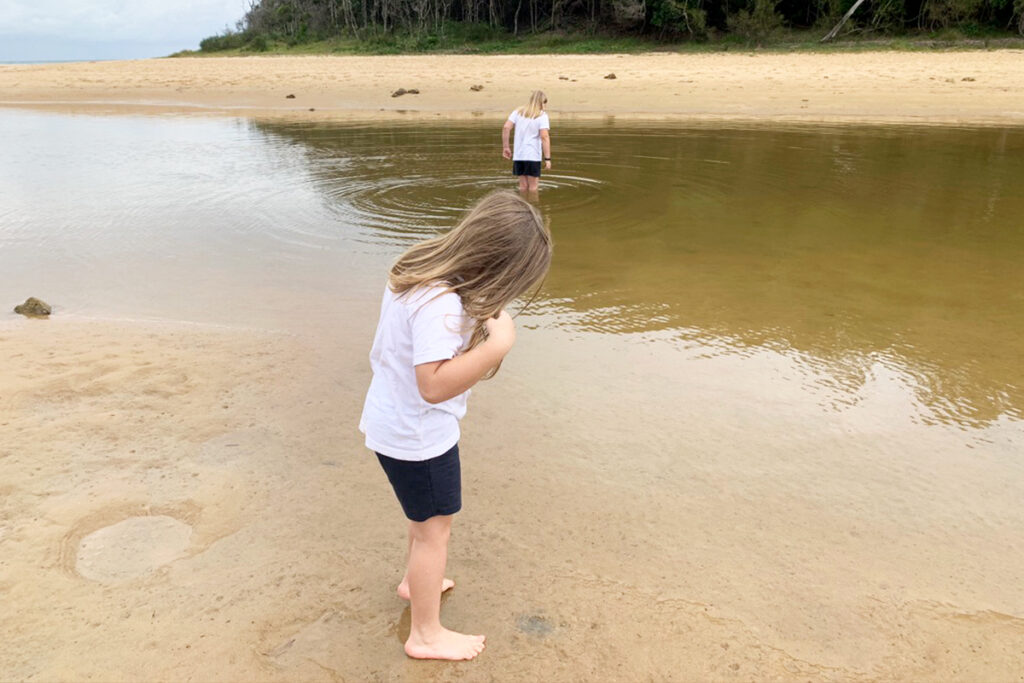
Two boys walk barefoot along an empty beach under a clear blue sky, with gentle waves lapping at the shore and dense green forest in the distance. The peaceful setting suggests a flexible, nature-connected lifestyle, often valued in homeschooling for children with autism.

Common Concerns About Homeschooling Neurodivergent Kids

Every parent considering homeschooling asks the same questions. These worries are normal. Let’s walk through them honestly.

Am I Qualified to Teach My Child?

You already are. You were your child’s first teacher, and you know them better than anyone. You recognise overwhelm, curiosity, frustration and readiness long before a classroom teacher ever could. Learning at home builds on this natural connection.

What About Socialisation?

This is the most persistent myth. Research shows homeschooled children often have stronger socialisation outcomes than their school peers. The difference is quality of interaction, not quantity.

Benefits include:

  • less exposure to bullying
  • more diverse social groups
  • social growth at a personalised pace

In our family, we learned that both boys needed different types of social spaces, so we adjusted. Flexibility is your superpower.

Is Homeschooling Legal?

Yes. Homeschooling is legal across Australia, with registration requirements that vary by state. Most families find the process manageable after their first submission.

What If I Mess It Up?

Every homeschooling parent feels this fear. The goal is not perfection. It is responsiveness. Learning gaps happen. Burnout happens. Doubt happens. What matters is your willingness to adjust along the way.

Real Stories From Families Who Made the Shift

Families choose homeschooling for many reasons, but one theme repeats: relief. School was not working, and home offered breathing room.

Here are a few voices from the community:

Calmer Mornings at Home

Our mornings transformed once we slowed down. Instead of rushing, we connected, eased into the day and let each child find their rhythm.

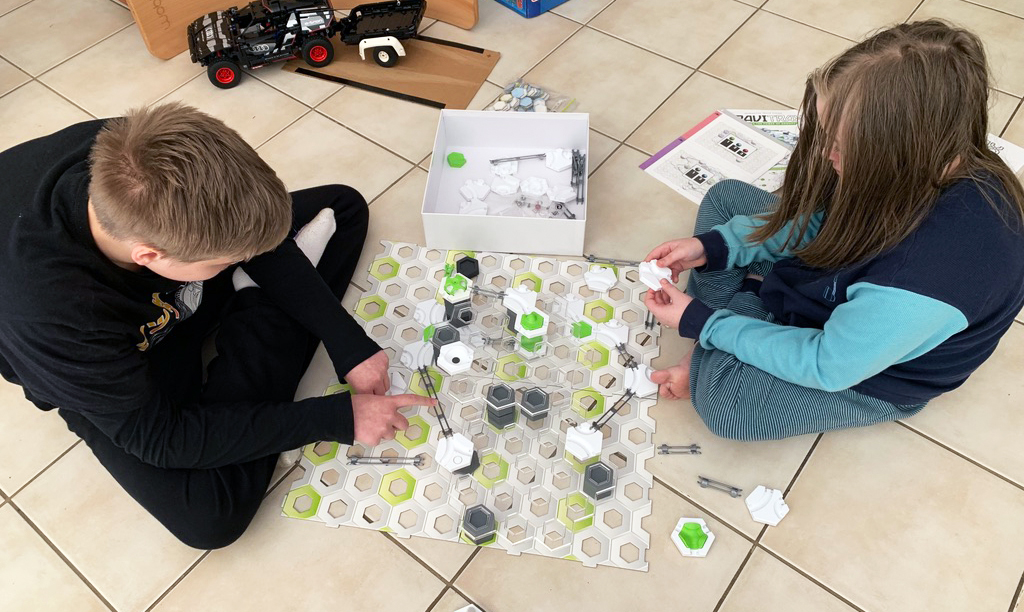
Two children sit on a tiled floor building a marble run game with hexagonal pieces, ramps, and towers spread out between them. Instruction sheets and boxes are nearby as they work together on the STEM-style project. The image reflects hands-on learning and collaboration in a neurodivergent homeschooling environment.

School Felt Like Prison

One parent shared that school felt like prison for their autistic child. Homeschooling gave them safety, autonomy and space to grow.

Punished for Coping Strategies


Some children are punished for coping strategies like flapping or doodling. At home, these become part of learning, not behaviours to eliminate

The Right Environment Changes Everything

Another parent moved their ADHD son to a Montessori-style environment. He thrived. Learning became joyful again. Homeschooling can offer this same shift – a space where your child finally fits.

Next Steps: From Questioning to Confident

Homeschooling is a journey, not an instantaneous switch. Your next steps do not need to be perfect. They only need to be gentle.

In the coming weeks, you will find new guides here, including:

Until then, the best place to begin is with Deschooling Essentials, my free mini guide. It will help you reset, reconnect and ease into homeschooling without pressure.