Self-directed learning doesn’t mean “no structure” – it means your child has real agency, with supports that make learning doable. In this guide, you’ll see what self directed learning can look like in everyday homeschooling, plus simple ways to scaffold it without taking over.
Where Self-Directed Learning Fits In Your Homeschool Plan
School can train us to believe learning only counts when an adult directs it.
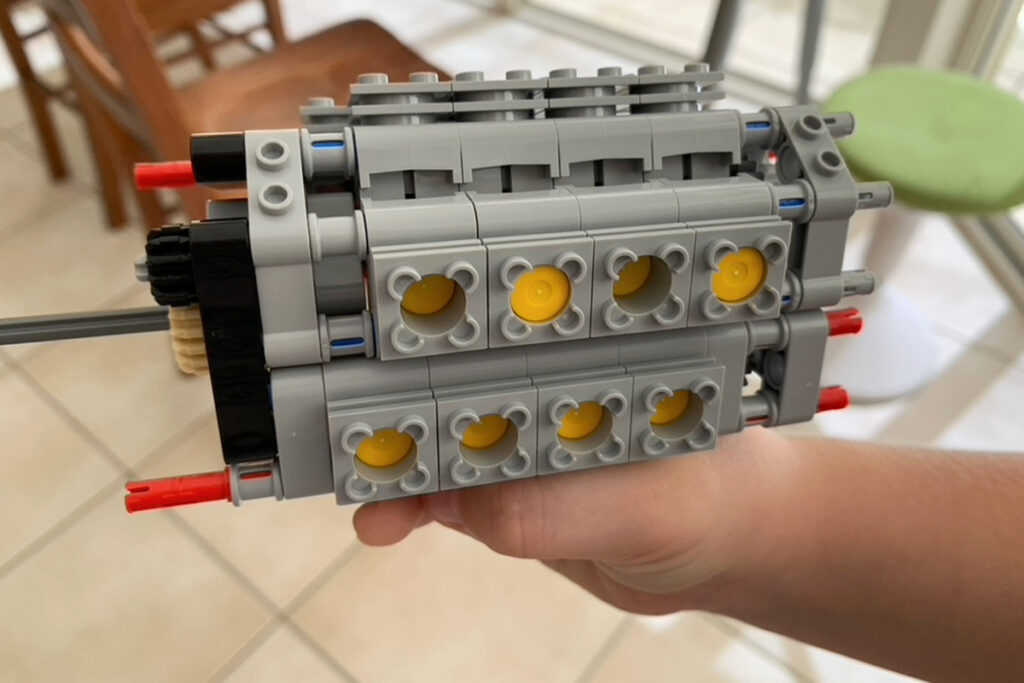
So when your child learns through deep interests, building, tinkering, gaming, creating, or long “rabbit holes”, it can feel unsettling – even when you can see real thinking happening. And if you’ve been told self directed learning means “hands-off parenting”, you might be stuck in that awful in-between: you want to honour your child’s autonomy, but you’re terrified of letting everything drift.
Here’s the calm reframe:
Self directed learning isn’t “no support”. It’s supported autonomy – where your child has real agency over pace, direction, and method, and you provide the scaffolding that makes learning accessible.
I didn’t set out to homeschool in a way that looked different to school either. But over time, I realised my kids learned most when the pressure came down and the learning felt safe enough to engage with.
On this page, I’ll explain the self directed learning meaning (in plain language), what a self directed learner can look like in real homes, practical self directed learning examples (especially for teens), and how to support autonomy without turning your home into a free-for-all.
A Quick Summary
Self directed learning is when the learner has real agency over what they learn, how they learn, and the pace they move at – with adult support that keeps it safe and doable.
It usually works best when you:
And no – it doesn’t have to be all-or-nothing. Many families start with micro-autonomy and build from there.
What Is Self Directed Learning?
Let’s make this simple.
Self directed learning means the learner has meaningful control over:
Your job doesn’t disappear. It shifts.
You become the person who:
Self Directed Learning Meaning (In Plain Language)
Self directed learning is supported autonomy.
It can include:
What It’s Not
Self directed learning is not:
It also isn’t a debate you have to win.
You can use self-directed learning inside lots of approaches – unit studies, project-based learning, interest-led learning, even alongside a structured maths or literacy program.
Why Self Directed Learning Can Fit Neurodivergent Kids
This isn’t about claiming one philosophy is “better”. It’s about fit.
Many neurodivergent kids learn best when:
Stress can affect learning readiness and attention, and it’s often context-dependent. Stress can also shrink working memory – which matters because working memory supports reading comprehension, maths, and multi-step tasks. In plain language: when stress is high, learning can become much harder to access.
Self directed learning can help because it lets you:
And motivation tends to be stronger when autonomy, competence, and connection are supported. That’s not “unschooling talk”. That’s basic human needs talk.
What A Self Directed Learner Can Look Like (And What It Doesn’t)
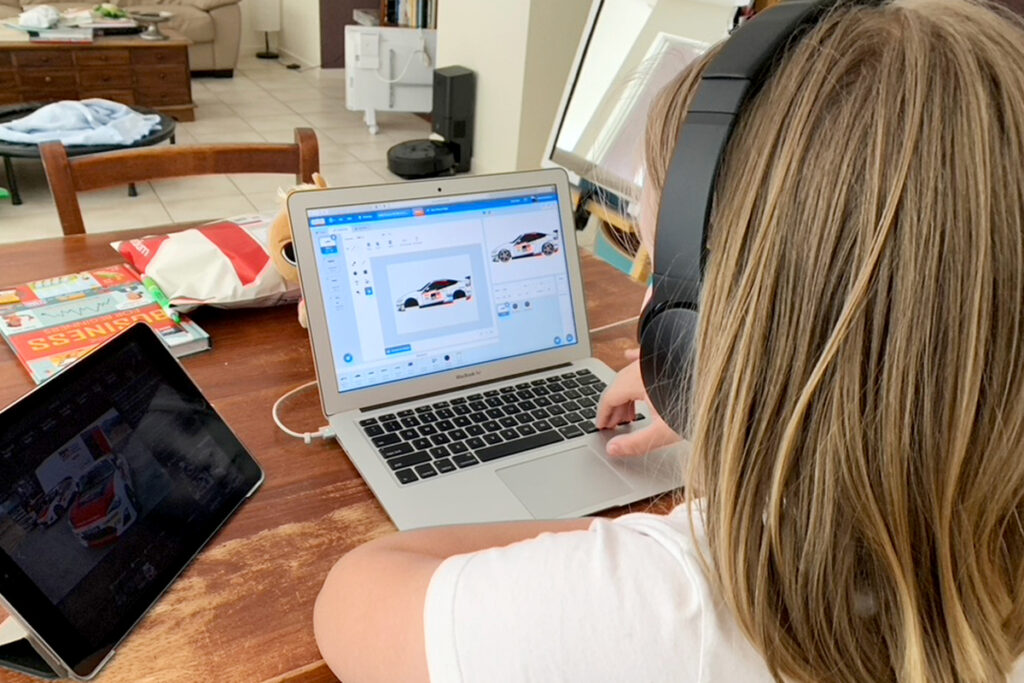
A self directed learner doesn’t always look organised.
It can look like:
Signs Your Child Is Self-Directing (Even If It Doesn’t Look Like School)
When It’s Not Self-Direction (Yet)
Sometimes what looks like “choosing nothing” is actually:
That’s not laziness. That’s access. Your role is to reduce load and help the first step become doable.
The Adult Role: Support Without Taking Over
The calm sweet spot is: enough support to make it doable, not so much control that it becomes unsafe.
A simple framework that works in real homes:
Anchor + Choice + Scaffold
Anchor (Safety And Rhythm)
Anchors are the steady parts of the day that reduce drift without creating pressure. Think:
You’re building predictability without turning life into a timetable.
Choice (Real, Not Performative)
Real choices reduce power struggles and help kids feel safe enough to engage. Try choices like:
If demand avoidance traits are part of your child’s picture, autonomy can be a regulation support – and heavy compliance pressure can escalate distress. Keep this practical: you’re reducing threat, not “giving in”.
Scaffold (Make It Doable)
This is where learning becomes accessible.
Helpful scaffolds include:
Externalising steps (putting them outside the brain) can reduce working memory load.
Self Directed Learning Examples (Realistic, Not Pinterest)
You don’t need perfect projects. You need doable learning that connects to real interests and real life.
Examples For Younger Kids
Examples For Tweens And Teens (Where This Really Shines)
Examples That Still Count When They’re Unfinished
Unfinished doesn’t mean unlearned. These still count:
How To Start (Without Going All-In Overnight)
If self directed learning feels intimidating, start smaller.
Think: micro-autonomy → shared autonomy → learner-led projects
Level 1: Micro-Autonomy (Five Minutes Counts)
Start with choices that don’t overwhelm:
Level 2: Shared Planning (Co-Designed)
You bring two options you can support. They choose one.
Level 3: Learner-Led Projects (Supported)
When Self Directed Learning Gets Stuck (And What Helps)
Stuck doesn’t mean self-directed learning “doesn’t work”. It usually means one lever needs adjusting.
Common Reasons It Gets Stuck
What Helps (Fast, Practical Fixes)
Stress close to recall can also block retrieval (think “blanking”), even when learning exists underneath. So if your child freezes or refuses under pressure, it may be a load issue, not a “they didn’t learn” issue
The Calm Clarifier (This Isn’t An Unschooling Debate)
Self directed learning can sit inside many homeschooling approaches.
You can:
This isn’t about ideological purity. It’s about building learning access without burning your family out.
Frequently Asked Questions
What Is Self Directed Learning?
Self directed learning is when the learner has meaningful control over what they learn, how they learn, and the pace they move at – with adult support that makes learning accessible and safe.
What Is The Self Directed Learning Meaning For Homeschooling?
In homeschooling, self directed learning usually means: the child leads the direction, and the adult supports with rhythm, resources, scaffolding, and repair.
Is Self Directed Learning The Same As Unschooling?
Not always. Some families use the terms interchangeably. Others use self directed learning as a supported approach inside a more structured plan.
You can keep it practical and use what fits.
How Do I Support A Self Directed Learner Without Controlling Everything?
Use: Anchor + Choice + Scaffold. Keep the first step small, offer real choices, and add supports that reduce overwhelm.
What Are Self Directed Learning Examples For Teens?
Interest-led research, creative production, tech builds, modding, fitness goals, small business projects, and deep-dive skill development – especially when the teen chooses the direction and you support the scaffolding.
What If My Child Only Chooses Screens?
Start by separating screens as regulation from screens as learning. Then show them how to turn one interest into a project (create, build, research, explain, compare, design). Keep it small and supported.
Can Self Directed Learning Work For Autistic Kids Or ADHD Kids?
It can, especially when it includes scaffolding, predictable anchors, and flexibility. Many neurodivergent kids engage more when stress is lower and autonomy is real.
How Do I Know Learning Is Happening If It Doesn’t Look Like School?
Look for thinking, connecting ideas, practising skills, solving problems, creating, communicating, or building independence. Those are real learning behaviours – even without worksheets.
What If Demand Avoidance Is Part Of The Picture?
Autonomy and collaboration can reduce threat for some kids, while heavy compliance pressure can escalate distress. Keep it practical: offer choices, soften “do it now”, co-plan, and build learning through safety.
How Do I Record This Kind Of Learning Later?
You don’t have to track everything in the moment. Many families capture learning through photos, short notes, and “what we did this week” reflections.